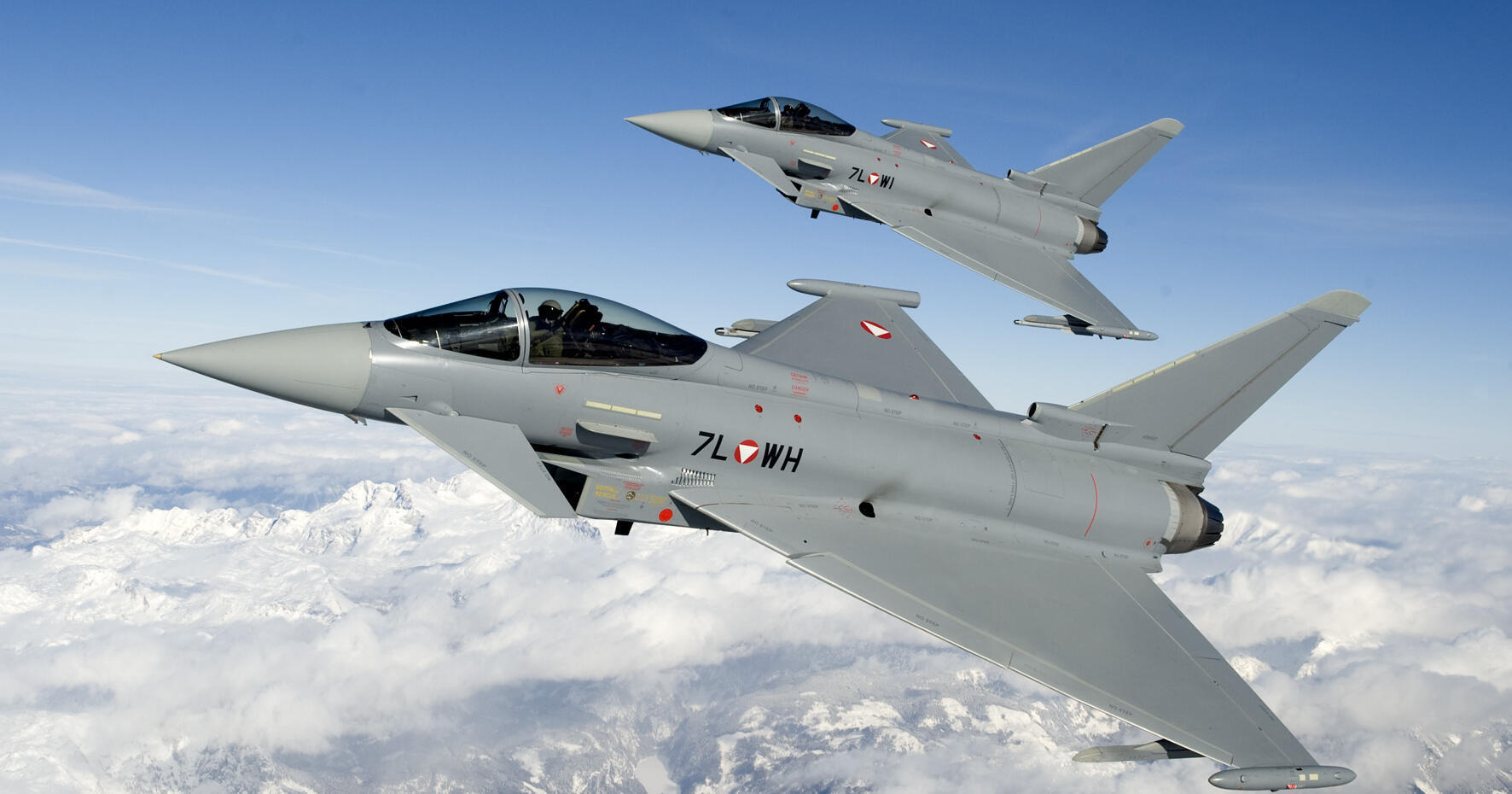
The Austrian government has officially announced its refusal to allow U.S. military aircraft to fly in its airspace. This move aligns with Austria's efforts to maintain its neutral policy and non-alignment in international conflicts, reflecting its independent position in foreign policy.
Austria is considered one of the European countries committed to the principle of military neutrality for decades, a principle adopted after World War II. This principle has significantly influenced Austria's foreign policy, allowing it to avoid involvement in major military alliances.
Details of the Decision
In an official statement, the Austrian government affirmed that permitting U.S. military aircraft to operate in its airspace contradicts its international commitments and neutral policy. This decision followed extensive internal consultations, where the government deemed that such a move could escalate tensions in the region.
This decision comes at a sensitive time, as U.S. military activities in Europe are increasing, particularly amid rising tensions with Russia. This situation has raised concerns among several European countries that are striving to maintain regional stability.
Background & Context
The Austrian policy of neutrality was established after World War II, adopted as part of the Austrian State Treaty in 1955. Since then, Austria has maintained its stance as a neutral state, which has helped it become a hub for various international organizations and peace negotiations.
Despite international pressures, Austria continues to adhere to its principles, believing that neutrality is the best way to ensure security and stability in the region. This policy has proven effective in avoiding involvement in military conflicts.
Impact & Consequences
Austria's decision could have far-reaching implications for international relations, especially in the context of escalating tensions between the United States and Russia. This decision may increase pressure on other European countries to adopt similar stances, potentially affecting military alliances in the region.
Moreover, this decision could strengthen Austria's position as an independent state in international politics, encouraging other countries to take similar stances in the future. It may also lead to enhanced diplomatic dialogue between nations rather than military escalation.
Regional Significance
Austria's stance on U.S. military aircraft is particularly significant for the Arab region, where military tensions are rising in several countries. Austria's decision may influence how Arab nations deal with U.S. military pressures, potentially encouraging them to adopt more independent policies.
This decision also reflects a global trend towards enhancing national sovereignty, which could impact relations between Arab states and Western countries. Amid geopolitical changes, these new policies may provide Arab nations with an opportunity to reassess their relationships with major powers.
In conclusion, Austria's steadfast decision in its neutral policy reflects a growing trend towards independence in international politics, opening the floor for discussions on the importance of national sovereignty in a changing world.