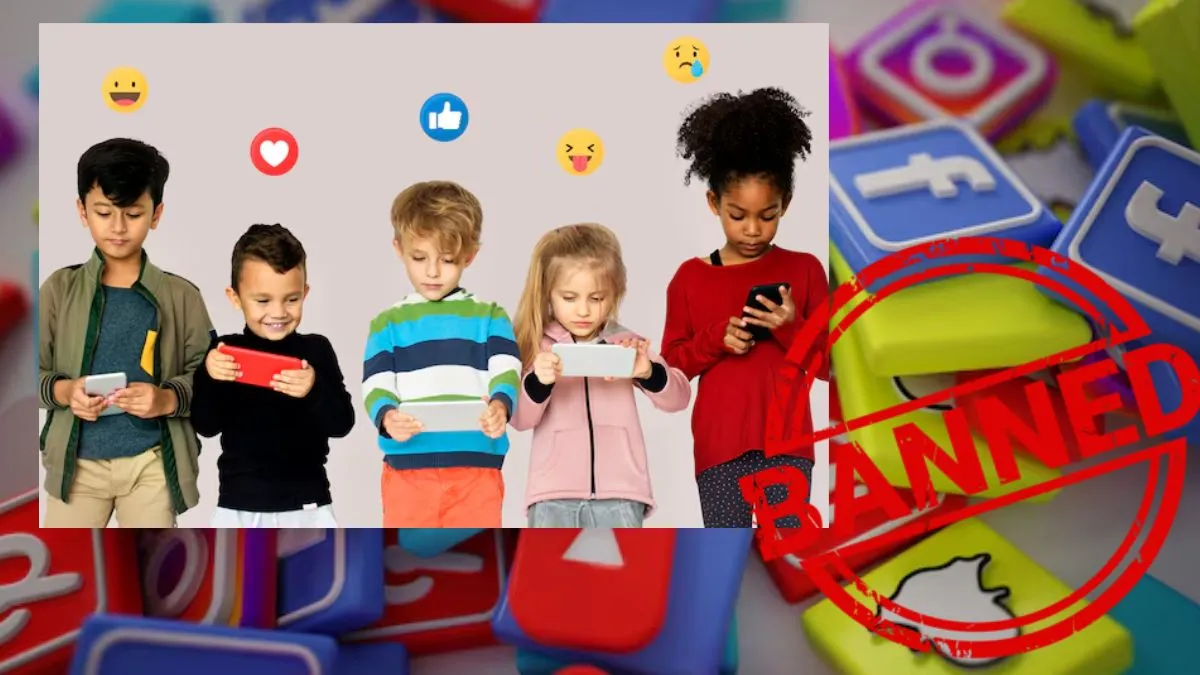
The Austrian government announced on Thursday its intention to ban the use of social media for children under the age of 14, in a move aimed at addressing the increasing risks associated with the use of these platforms. Austrian Vice Chancellor Andreas Babler explained during a press conference that these platforms contribute to addiction, glorify violence, and spread misinformation, while also setting unrealistic beauty standards that negatively impact children.
Babler pointed out that parents find it extremely difficult to control their children's consumption of these platforms, which are designed to make them dependent on them intentionally. The new bill is set to be introduced next summer, with plans for it to be implemented as soon as possible.
Details of the Initiative
The Austrian government is specifically targeting platforms that utilize algorithms that create addiction and profit at the expense of children's mental health. Babler noted that children are left to face a world filled with unrealistic beauty standards, glorification of violence, and misinformation, making them susceptible to manipulation.
As part of these efforts, the Austrian Ministry of Education conducted a three-week experiment titled "No to Mobile Phones," which involved 72,000 students and their families. Education Minister Christoph Wiederkehr confirmed that the feedback was positive, with students indicating they experienced withdrawal and awareness of the harms caused by their excessive consumption of these platforms.
Background & Context
This step comes at a time when concerns are growing in Europe about the impact of social media on children and adolescents. Several EU countries, such as France, Spain, and Denmark, have begun considering similar laws aimed at protecting children from digital risks. There are also increasing calls to establish a legal digital age that allows children to use these platforms safely.
In the United States, a court in Los Angeles ruled against Meta and Google, determining that these companies contributed to the exacerbation of depression among teenage girls through platforms like Instagram and YouTube, due to their insufficient warnings to young users about the risks of excessive use.
Impact & Consequences
This Austrian decision is seen as a bold step that may influence how other countries address child protection issues in the digital space. The trend towards imposing restrictions on social media reflects a growing desire to protect children from the negative influences of these platforms, which could lead to changes in digital policies worldwide.
However, there is opposition to this decision, as the Austrian Freedom Party (FPÖ) views the ban as an attack on freedom of expression, expressing concern that these restrictions could be used to limit critical voices and alternative media.
Regional Significance
In the Arab world, this move raises questions about how to address the impact of social media on youth. Many Arab countries face similar issues related to addiction to these platforms and their negative effects on the mental health of adolescents. Austria's experience could serve as a model for the region, where Arab countries could benefit from this experience in developing policies to protect youth from digital risks.
In conclusion, Austria's decision highlights the urgent need to review how social media is used and its impact on vulnerable groups, especially children. As global concerns increase, it may be necessary for countries to adopt similar policies to protect future generations.