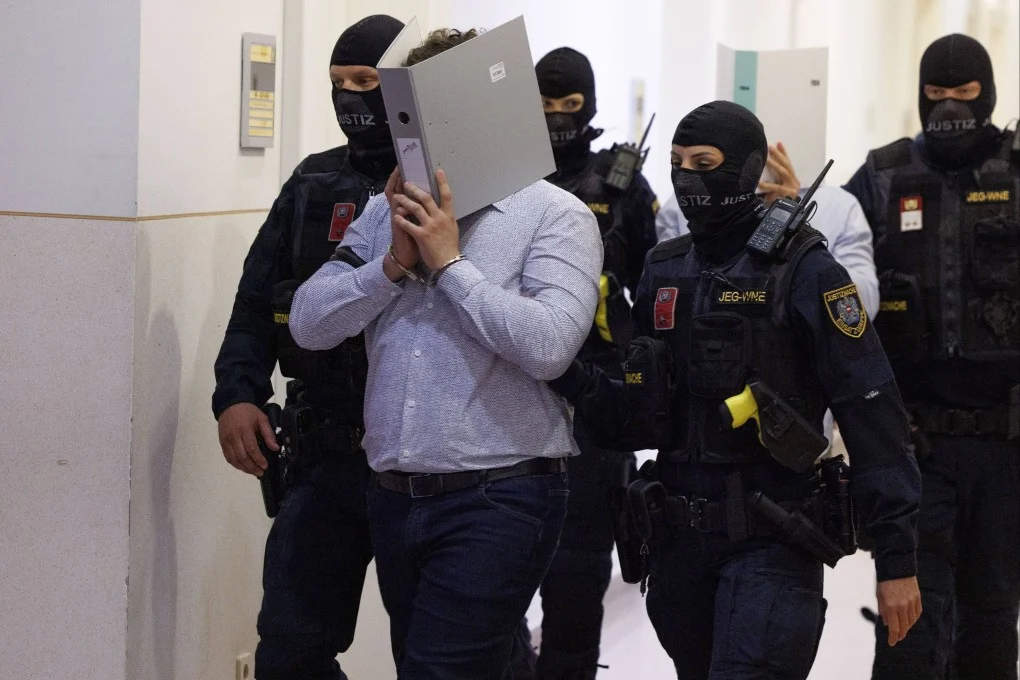
An Austrian court in Wiener Neustadt has issued a conviction against a 21-year-old man for planning an attack on a concert by the famous singer Taylor Swift in the Austrian capital, Vienna. The incident dates back nearly two years, when the young man, known as Bran A, was arrested after his behavior raised concerns among authorities.
During the trial session, the young man confessed to the charges against him, which expedited the legal proceedings. Evidence was presented by the prosecution, which included details about his attack plan, raising significant alarm within the local community.
Details of the Incident
The concert that Taylor Swift was scheduled to perform in Vienna was considered one of the major musical events of that period, with thousands of fans expected to attend. This planned attack elicited strong reactions from the public and media, prompting authorities to implement heightened security measures to protect attendees.
Initial investigations revealed that the young man had prepared detailed plans for executing the attack, including the use of firearms. This raised major concerns regarding the safety of public events in Austria, where such incidents are relatively rare.
Background & Context
This case arises at a sensitive time, as many European countries have witnessed an increase in security threats related to public events. In recent years, a number of similar incidents have been recorded across various nations, leading to enhanced security measures at major events.
Historically, Austria has been regarded as one of the safer countries in Europe, but with rising global tensions, authorities have begun to take more cautious steps. Previous incidents, such as attacks targeting concerts and festivals, have made it imperative to bolster security at such events.
Impact & Consequences
The conviction of the young man may have significant implications for how public events are organized in the future. Authorities are expected to adopt additional measures to ensure the safety of attendees, which could lead to changes in the way concerts and festivals are organized.
This case may also spark discussions about freedom of expression and the arts, as some artists may feel concerned about being targeted due to their popularity. It is crucial for artists to be able to perform their work without fear of security threats.
Regional Significance
Although the incident occurred in Austria, it has repercussions for the Arab region, where concerns about security threats at public events have increased. Many Arab countries host concerts and festivals, and they may need to reassess their security measures to ensure the safety of the audience.
Ultimately, this case serves as a reminder of the importance of enhancing security at public events and the necessity for cooperation between authorities and artists to ensure a safe environment for all.