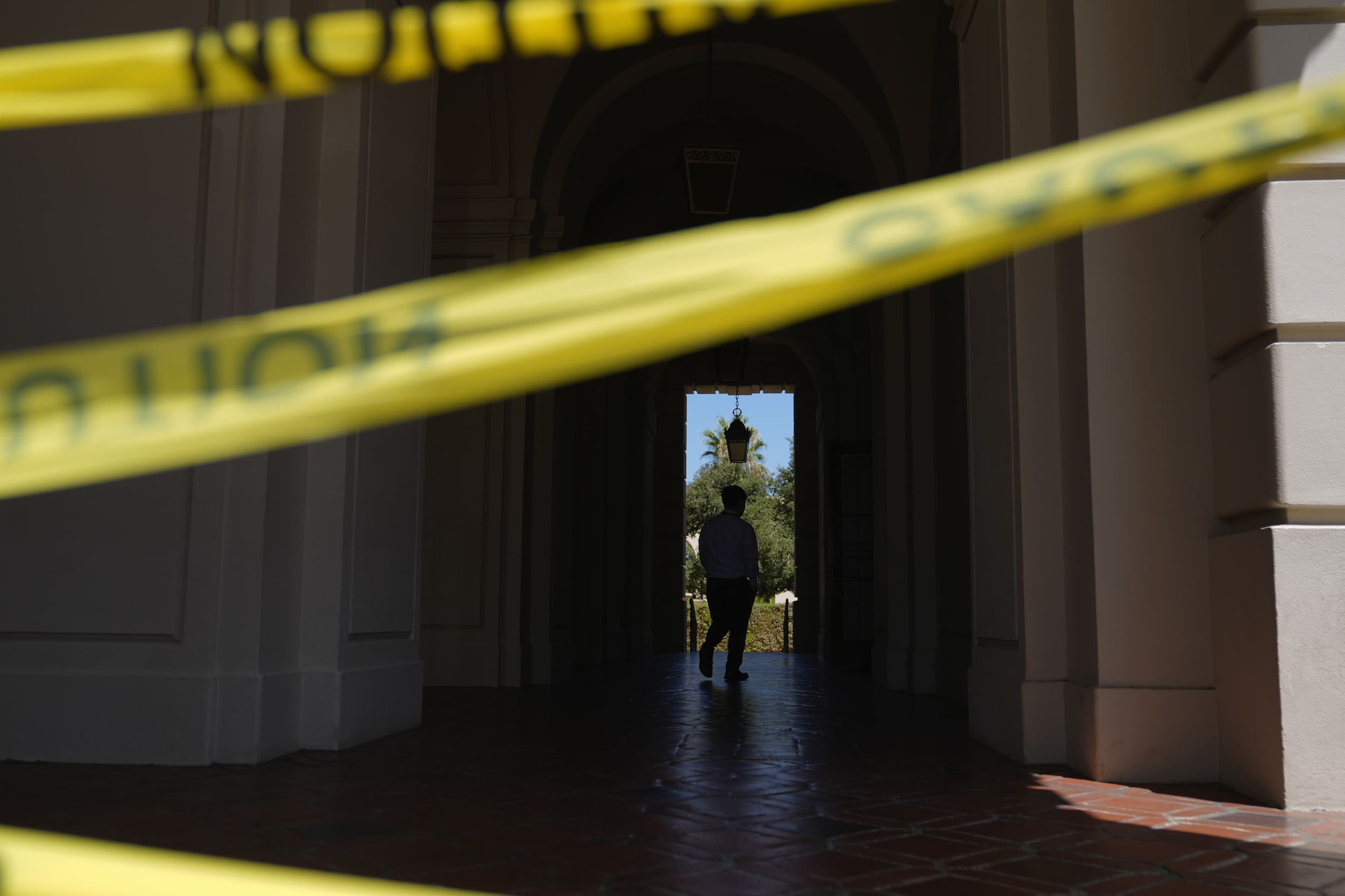
In a troubling development, recent reports have documented a notable rise in crime rates in several major cities around the world. This phenomenon raises questions about the underlying causes and prompts local authorities to take urgent measures to confront these challenges. As fears grow regarding the impact of crime on public safety, citizens are left wondering how to protect themselves and the communities they inhabit.
Statistics indicate that cities such as New York, London, and Paris have experienced increases in violent crimes, including thefts and assaults. Reports have shown that this increase is not merely a transient phenomenon but reflects profound changes in the social and economic fabric of these cities.
Details of the Situation
In New York, for instance, crime rates have surged by as much as 30% compared to last year, prompting authorities to bolster police presence on the streets. Meanwhile, in London, reports indicate a significant rise in drug-related crimes, raising concerns within the local community about neighborhood safety.
In Paris, incidents of property crimes have increased, leading the government to implement new measures to combat this trend. These events raise questions about the effectiveness of current security policies and their capacity to address such challenges.
Background & Context
Historically, major cities have experienced cycles of rising and falling crime rates, often linked to economic and social crises. In recent years, the COVID-19 pandemic has exacerbated economic conditions, contributing to increased unemployment and poverty rates, which are considered key factors leading to rising crime.
Moreover, social and political tensions witnessed in some countries in recent years, such as protests against racism and discrimination, have also contributed to heightened crime levels. Together, these factors create an environment conducive to increased criminal activity, necessitating a comprehensive response from governments.
Impact & Consequences
The rise in crime rates directly affects citizens' lives, leading to an increasing sense of insecurity. This feeling impacts daily activities, such as commuting to work or going shopping, resulting in a decline in economic activity in affected areas.
Additionally, rising crime rates may tarnish the reputation of cities, making them less attractive to tourists and investors. In an era of globalization, cities have become increasingly reliant on tourism as a primary source of income, and any downturn in this sector can have significant economic repercussions.
Regional Significance
In the Arab region, this phenomenon may serve as a warning for local authorities. Although crime rates in some Arab countries may be lower compared to major cities in the West, the economic and social challenges these countries face could exacerbate the situation. Therefore, Arab governments must adopt effective strategies to confront these challenges before they escalate.
In conclusion, the rising crime rates in major cities worldwide underscore the urgent need for action by authorities. These measures should include enhancing cooperation among various stakeholders, including police and civil society, to ensure the safety and security of citizens.