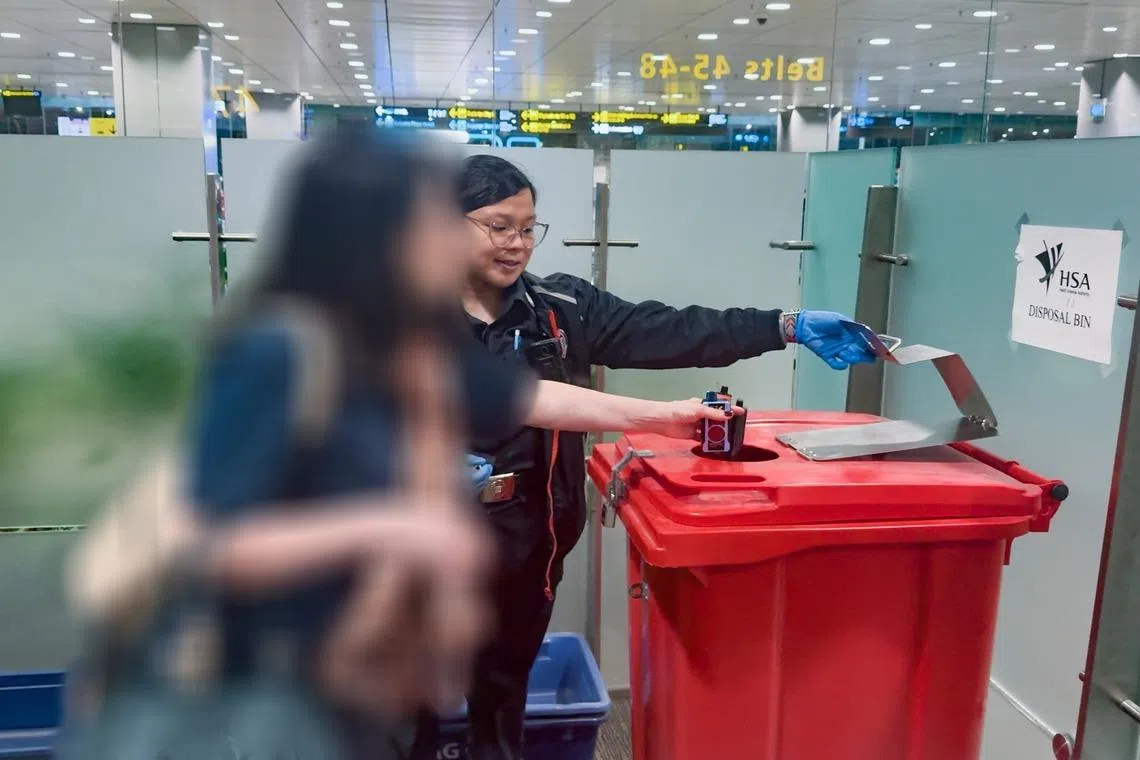
In a move that underscores the Singaporean government's seriousness in combating the use of electronic smoking devices, authorities announced the seizure of 240 electronic smoking devices over a brief period of just four days. The cases included 52% from short-term visitors and 48% from local residents, highlighting the prevalence of this phenomenon across various segments of society.
This campaign comes at a critical time as Singapore seeks to strengthen its public health laws and protect citizens from health risks associated with smoking. Seizures were conducted at various checkpoints, reflecting the government's commitment to border control and preventing the entry of these prohibited devices.
Details of the Operation
During the past four days, authorities conducted thorough inspections of travelers arriving in Singapore, where electronic devices were confiscated at checkpoints. Data showed that short-term visitors represented the largest proportion of cases, indicating that these devices may be popular among tourists visiting the country.
This campaign is part of a broader effort aimed at reducing tobacco and electronic device use, as the government strives to safeguard public health from smoking-related risks. Border control has been significantly enhanced, leading to an increase in the number of seizures.
Background & Context
Historically, Singapore has been a leader in implementing strict anti-smoking laws, having banned smoking in public places many years ago. With the emergence of electronic devices, the government faced new challenges in regulating their use. A comprehensive ban on the sale of these devices was imposed in 2018, resulting in an increase in confiscations.
Concerns are growing regarding the impact of these devices on public health, as studies suggest they may be less harmful than traditional cigarettes, yet they are not without risks. Therefore, the government aims to strike a balance between protecting public health and providing options for smokers.
Impact & Consequences
This campaign is part of a wider strategy aimed at reducing smoking rates in the country. These measures are expected to lead to a decrease in the use of electronic devices, which could positively impact public health. Additionally, this campaign may affect tourism, as some visitors might feel uncomfortable due to the imposed restrictions.
Moreover, these seizures could raise awareness about the health risks associated with smoking, potentially encouraging more individuals to quit smoking or reduce their use of these devices. These actions may also enhance Singapore's image as a country that prioritizes the health of its citizens and visitors.
Regional Significance
While Singapore focuses on combating smoking, Arab countries face similar challenges in this area. Smoking rates among youth are rising in many Arab nations, necessitating similar actions. Arab countries can learn from Singapore's experience in enforcing strict anti-smoking laws and promoting public health.
Ultimately, this campaign in Singapore serves as a testament to the importance of taking effective measures against smoking, opening the door for discussions on how to improve public health across various nations, including Arab countries.