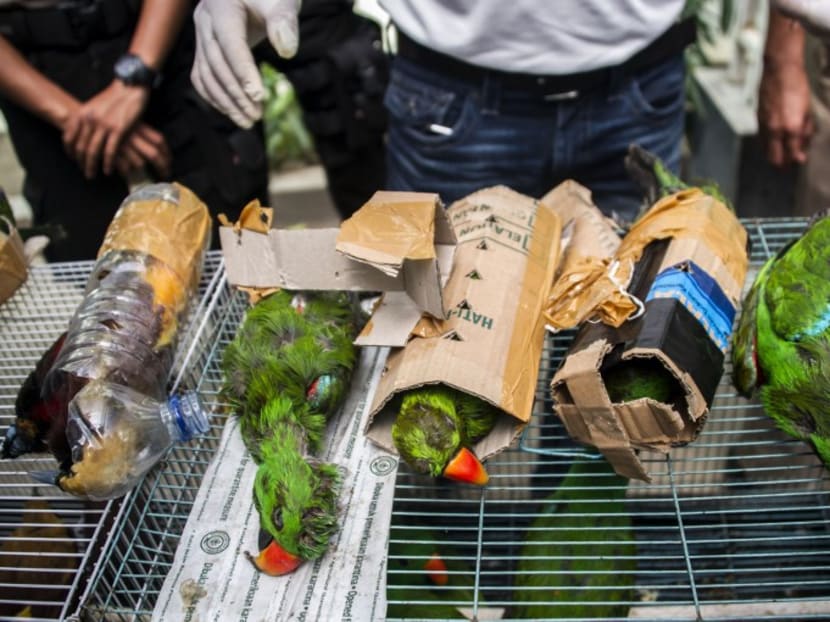
Indonesian authorities have successfully thwarted an illegal smuggling operation involving several protected birds in Manado, located in North Sulawesi. The suspect was apprehended while attempting to send two royal cockatoos. This operation, conducted on Tuesday, March 10, is part of the Indonesian government's efforts to enhance wildlife protection and preserve biodiversity in the country.
In a statement, Ali Bahri, head of the law enforcement office in the Sulawesi region, confirmed that the operation resulted in the arrest of the suspect, identified as AF, who was trying to smuggle the protected birds inside his vehicle. A young cassowary was also found at his home during subsequent searches. Bahri emphasized that any form of hunting, trading, or illegal possession of protected species will not be tolerated, highlighting the importance of strengthening cooperation with relevant authorities to ensure the protection of Indonesia's biological wealth.
Details of the Incident
The suspect AF reported that he planned to send the birds to a buyer in the Tolitoli district, located in Central Sulawesi. He admitted to receiving instructions from another individual known as B, who resides in Surabaya. He also mentioned that he received a commission for each sale made, reflecting the scale of the complex network involved in smuggling protected birds.
After AF was arrested, he was officially identified as a suspect, and charges were brought against him under Indonesian laws related to wildlife protection. Under Law No. 32 of 2024, AF could face a prison sentence of up to 15 years and a fine of up to 5 billion Indonesian rupiah.
Background & Context
Indonesia is considered one of the richest countries in the world in terms of biodiversity, hosting a wide variety of unique plant and animal species. However, these resources face numerous threats, including poaching and illegal trade. Over the years, the Indonesian government has taken serious steps to strengthen laws related to wildlife protection, including increasing penalties for violators.
Birds such as cockatoos and cassowaries are protected under Indonesian laws, facing the risk of extinction due to illegal hunting and habitat loss. Therefore, operations like this represent an important step towards protecting these species and ensuring their survival in their natural habitats.
Impact & Consequences
This incident highlights the importance of efforts to protect wildlife in Indonesia, as illegal trade poses a significant threat to biodiversity. Strengthening and strictly enforcing laws can help reduce these illegal activities, contributing to the conservation of endangered species.
Moreover, such operations raise public awareness about the importance of environmental and wildlife protection, potentially leading to greater support from local and international communities in this area. Cooperation between the government and civil society can have a significant impact on combating illegal trade.
Regional Significance
Although this incident pertains to Indonesia, issues related to wildlife protection and biodiversity concern all nations, including Arab countries. Many Arab nations face similar challenges regarding the conservation of endangered species, such as deer and rare birds. Thus, sharing experiences and collaborating in environmental protection can have a positive impact on all countries.
In conclusion, this incident serves as a call to reflect on how to enhance efforts to protect wildlife worldwide, including in the Arab region. Protecting biodiversity is not only a national responsibility but a global one that requires effective international cooperation.