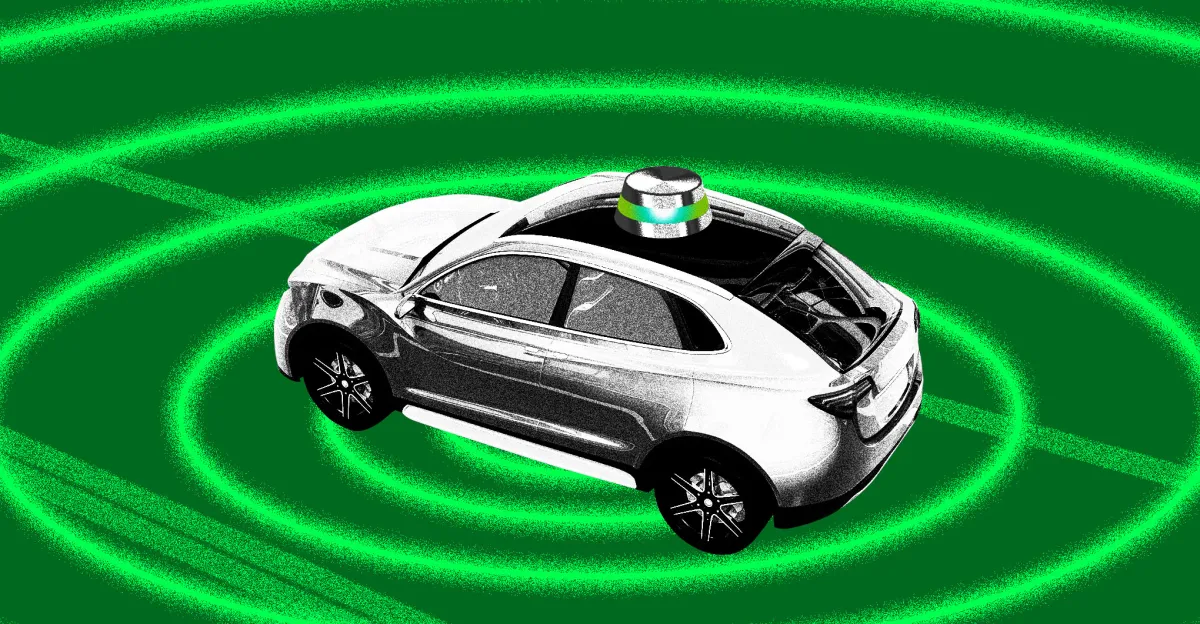
Automakers developing self-driving cars are facing mounting pressure to disclose details about the use of remote assistance teams, as these companies refuse to reveal how often operators intervene to assist their vehicles. This scrutiny follows questioning by Senator Ed Markey, who expressed concerns about the safety of this technology.
Markey's office sent letters to seven companies operating in the robotics field, including Aurora, Waymo, and Tesla, requesting information about the use of remote workers to monitor self-driving cars and intervene when necessary. Some intriguing details have emerged during these investigations, highlighting concerns about transparency in this sector.
Details of the Investigations
These investigations come in the wake of a hearing in February, where Markey questioned representatives from Waymo and Tesla about their use of remote operators. During the session, a safety official from Waymo reported that some remote workers are based in the Philippines, raising questions about safety standards and training. Incidents involving remote operators have also been reported, including an incident in Austin, Texas, where a Waymo vehicle passed a stopped school bus due to incorrect information from a remote assistant.
Markey emphasizes the need for strict regulations regarding the use of remote assistants, while companies defend this practice, stating that it provides crucial support for self-driving technology.
Background & Context
Historically, the automotive industry has undergone a significant shift towards reliance on autonomous technology, with companies striving to develop vehicles capable of driving without human intervention. However, the use of remote assistants raises issues related to safety and transparency. In recent years, incidents associated with this technology have increased, leading to growing calls for clear regulatory standards.
This issue is part of a broader discussion about the future of autonomous transportation, as many consumers look forward to the potential benefits of this technology, while others express concerns about the possible risks involved.
Impact & Consequences
Concerns regarding the safety of self-driving cars are escalating, as incidents involving remote operators could lead to a loss of trust in this technology. If companies continue to refuse to disclose information, it may necessitate greater regulatory intervention to ensure user safety. This issue could also impact how governments regulate this industry in the future.
Meanwhile, this pressure may lead to improved safety and training standards for remote operators, enhancing the reliability of this technology moving forward.
Regional Significance
The implications of these developments extend beyond individual companies, affecting public perception and regulatory frameworks in various regions. As self-driving technology continues to evolve, the balance between innovation and safety will be crucial in shaping the future of transportation.
In conclusion, the ongoing scrutiny of remote operator interventions in self-driving vehicles highlights the need for transparency and accountability in the industry, ensuring that safety remains a top priority.