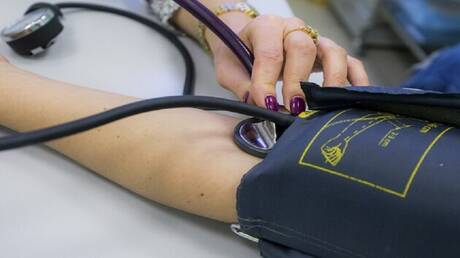
Dr. Andrei Kondrakhin, a cardiologist, revealed that placing a blood pressure cuff over clothing instead of directly on the arm during measurement can distort results. This habit, practiced by many, can lead to inaccurate readings, affecting the diagnosis and treatment of various health conditions.
Measuring blood pressure is fundamental in assessing cardiovascular health. With the increasing use of home blood pressure monitors, it has become essential for users to be aware of how to use them correctly to ensure reliable results.
Details of the Issue
Dr. Kondrakhin explained that placing the cuff over clothing can lead to incorrectly high or low measurements. Clothing can affect the pressure applied to the arm, resulting in inaccurate outcomes. Therefore, it is always recommended to remove any clothing covering the arm before taking a measurement.
Additionally, individuals should ensure that the cuff fits properly on the arm. A cuff that is too tight or too loose can also impact measurement accuracy. Thus, selecting the appropriate blood pressure monitor and using it according to the provided guidelines is crucial.
Background & Context
The issue of inaccurate blood pressure measurement is a public health concern affecting millions of people worldwide. According to the World Health Organization, over 1.13 billion people suffer from high blood pressure, increasing the risk of heart disease and strokes.
In recent years, technology has significantly advanced blood pressure monitors, making them easier to use. However, incorrect usage of these devices can lead to misleading results, highlighting the need for awareness on how to use them properly.
Impact & Consequences
The impact of inaccurate measurements can have severe consequences for individuals' health. People receiving incorrect diagnoses may undergo inappropriate treatments, increasing the risk of worsening their health conditions. Therefore, it is essential for patients to have a good understanding of how to measure blood pressure correctly.
Moreover, inaccurate measurements can increase the burden on the healthcare system, as patients may require more tests and treatments due to errors in initial measurements. This situation necessitates healthcare providers to focus on educating patients on how to use blood pressure monitors correctly.
Regional Significance
In the Arab region, heart diseases are among the leading causes of death. Therefore, improving the accuracy of blood pressure measurements can significantly contribute to reducing mortality rates from these diseases. By raising awareness about how to measure blood pressure correctly, patients can take effective steps to maintain their health.
Furthermore, enhancing health education regarding blood pressure measurement can help improve overall health outcomes in Arab communities, contributing to reducing the burden on healthcare systems.
In conclusion, awareness of how to measure blood pressure correctly is a fundamental step towards improving public health. Individuals should be cautious when using blood pressure monitors and follow guidelines to ensure accurate results.