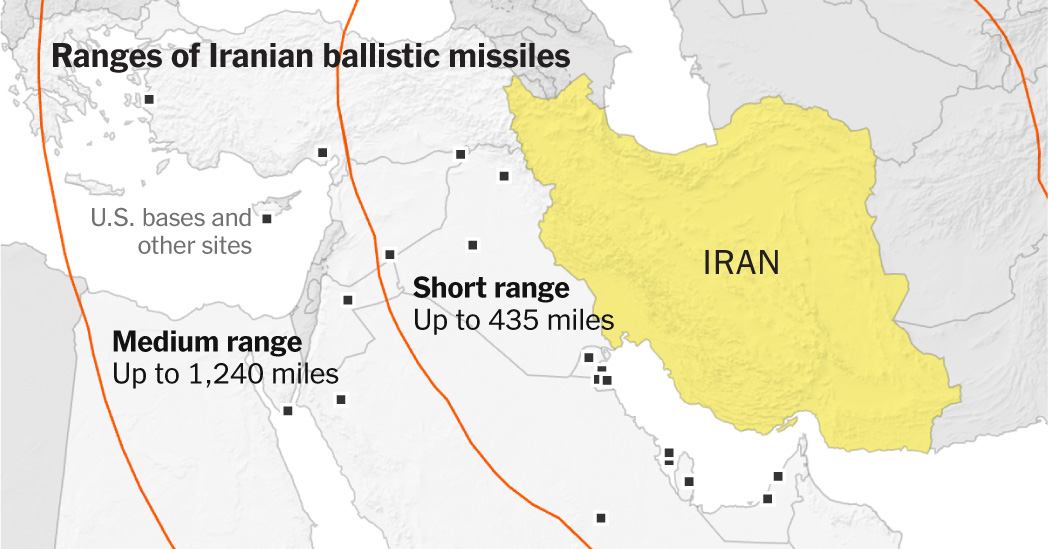
Bahrain announced it has intercepted and destroyed 174 missiles and 385 drones since the onset of Iranian aggression. This declaration comes as regional tensions escalate, highlighting the kingdom's defensive capabilities.
Bahrain, a key ally of the United States in the region, is seeking to bolster its national security in the face of increasing threats from Iran. The Bahraini Ministry of Interior confirmed that these defensive operations are part of the kingdom's efforts to protect its territory and the safety of its citizens.
Details of the Operations
In related reports, it has been indicated that Bahrain utilized advanced systems to intercept drones and missiles, reflecting a high level of preparedness and readiness. Military sources confirmed that these operations were successfully executed without any damage to the kingdom's critical infrastructure.
These developments come at a sensitive time, as the region witnesses an escalation in Iranian military activities, raising concerns among neighboring countries. Bahraini officials noted that these operations reflect the kingdom's commitment to safeguarding its national security.
Background & Context
Historically, Bahrain has experienced tensions with Iran, as the kingdom is part of the Arab coalition fighting against Iranian influence in the region. These tensions have notably increased since the onset of the conflict in Yemen, where Iran supports the Houthis, leading to heightened concerns among Gulf states.
Bahrain is not alone in facing these threats, as it collaborates with other Gulf countries to enhance air defenses and military coordination. Bahrain has signed agreements with the United States and other nations to develop its defensive capabilities.
Impact & Consequences
These defensive operations are indicative of rising tensions in the region and may provoke reactions from Iran, which could perceive these actions as a threat to its sovereignty. Additionally, the escalation of military activities may affect regional stability and intensify existing conflicts.
On the international stage, these developments could increase pressure on the global community to intervene in the Iranian-Gulf conflict, potentially opening the door for further negotiations or military escalation.
Regional Significance
These events underscore the importance of enhancing security cooperation among Gulf states to address shared threats. Bahrain's success in intercepting these attacks may encourage other countries in the region to strengthen their defensive capabilities.
Ultimately, Bahrain remains in a sensitive position, as the current situation requires a delicate balance between responding to threats and maintaining regional stability.