Bahrain's Foreign Minister, Abdullatif bin Rashid Al Zayani, emphasized that the ongoing discussions at the United Nations regarding the draft resolution submitted by the Kingdom to the UN Security Council concerning the Hormuz Strait stem from a collective responsibility aimed at protecting international security and maintaining maritime navigation freedom.
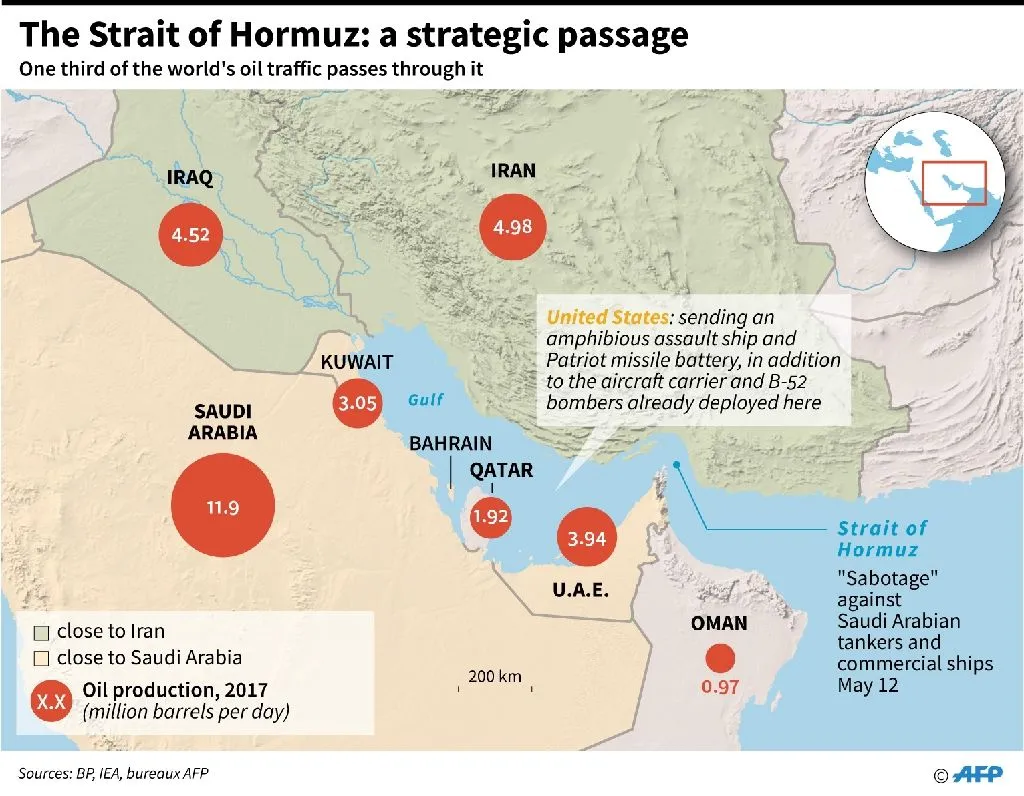
Al Zayani explained that this draft aims to enhance international cooperation in addressing the challenges facing navigation in this strategic region, noting that the Hormuz Strait is one of the most important waterways in the world, through which approximately 20% of the world's total oil passes.
Details of the Event
These discussions come at a sensitive time, as tensions in the region have increased, necessitating effective measures to ensure maritime navigation safety. The Bahraini draft resolution was submitted to the Security Council as part of the Kingdom's efforts to enhance maritime security, which requires extensive international cooperation.
The draft resolution is based on principles of international law and emphasizes the importance of navigation freedom as a fundamental right for all nations. It also includes a call for member states to enhance coordination and cooperation in maritime security to ensure the protection of commercial vessels from any potential threats.
Background & Context
The Hormuz Strait is a vital point in global trade, linking the Arabian Gulf with the Gulf of Oman. In recent years, the region has witnessed escalating tensions, particularly with the increase of military activities in the territorial waters. These tensions have raised concerns about their impact on navigation, prompting Bahrain to take this step in line with its responsibilities as a coastal state.
Historically, Bahrain has always been at the forefront of countries seeking to enhance maritime security, having hosted numerous international conferences aimed at addressing maritime navigation issues. This draft reflects Bahrain's commitment to its role as a supporter of stability in the region.
Impact & Consequences
If the draft resolution is adopted, it could contribute to strengthening international cooperation in maritime security, potentially leading to improved security conditions in the region. It may also help reduce the risks faced by commercial vessels, thereby enhancing confidence in maritime navigation.
On the other hand, Bahrain may face challenges in convincing some countries of the necessity to support this draft, especially amid existing geopolitical tensions. However, Bahrain's success in passing this resolution could bolster its position as a key supporter of security and stability in the region.
Regional Significance
Maritime security is a vital issue for Arab countries, as many of these nations rely on maritime navigation for their trade and economy. Therefore, any steps aimed at enhancing security in the Hormuz Strait will positively affect all Arab countries.
Furthermore, enhancing navigation freedom in this area could contribute to improving relations between Arab countries and other nations, thereby increasing opportunities for economic and political cooperation in the future. Amid current challenges, hope remains pinned on the efforts of Bahrain and other countries to achieve stability in this sensitive region.