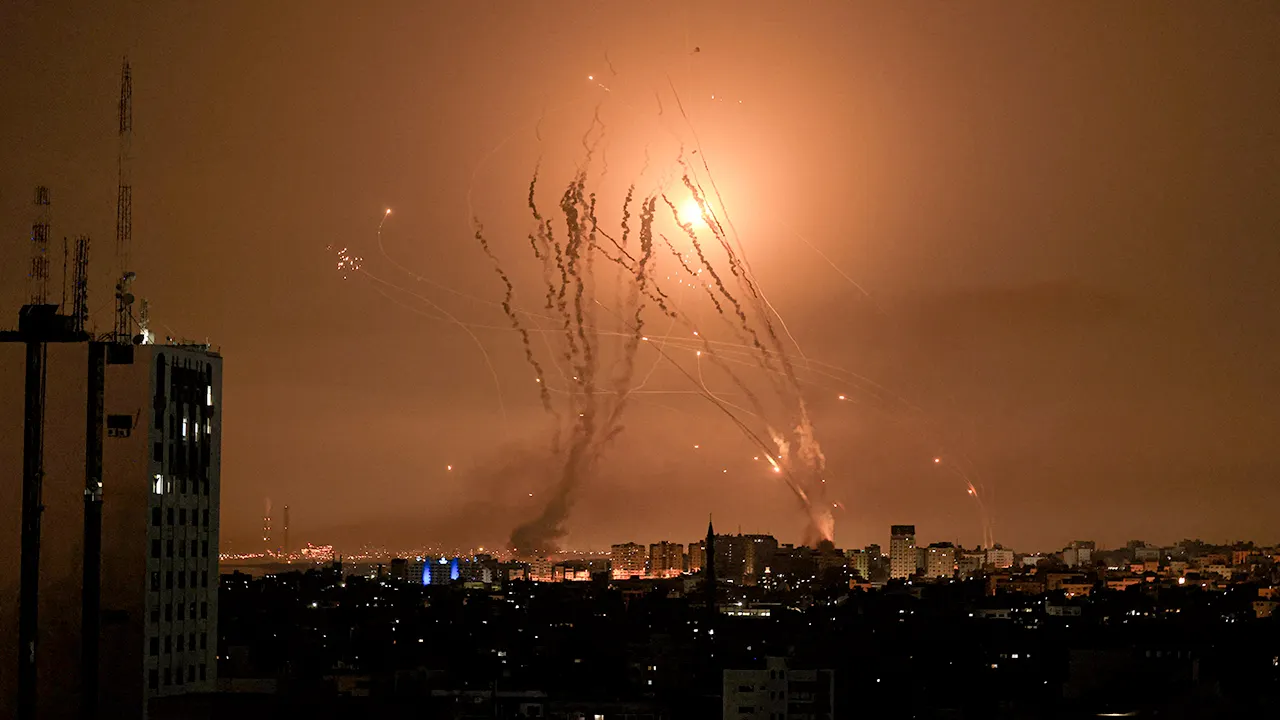
Bahrain has announced that it successfully intercepted 174 missiles and 391 drones during a series of attacks attributed to Iran. This announcement reflects the escalating tensions in the region and highlights the security challenges facing the kingdom.
These attacks come at a sensitive time, as fears of military escalation in the Arabian Gulf have increased. Bahrain, a key ally of the United States, is seeking to enhance its defensive capabilities to counter potential threats.
Details of the Incident
According to official data, the interception operations were carried out by the Bahraini armed forces in collaboration with regional and international coalitions. These operations demonstrated Bahrain's ability to respond to the increasing attacks targeting its national security.
The intercepted attacks included missiles and drones launched from Iranian territory, raising concerns about Tehran's intentions in the region. Bahrain has confirmed that it will continue to strengthen its air defenses to face any future threats.
Background & Context
Historically, the Arabian Gulf region has witnessed increasing tensions between Iran and neighboring Arab countries. Since 2011, political and military crises have escalated, leading to heightened military preparations in countries like Bahrain and Saudi Arabia.
Bahrain is part of the Arab coalition fighting the Houthis in Yemen, who are believed to receive military support from Iran. This context makes Bahrain a potential target for Iranian attacks, increasing the significance of the recent interception operations.
Impact & Consequences
These interception operations are an indicator of rising tensions between Bahrain and Iran and could lead to further military escalation in the region. Additionally, these events may affect Bahrain's relations with Western countries, especially the United States, which seeks to maintain stability in the region.
At the same time, these events could lead to increased military support for Bahrain from its allies, enhancing its defensive capabilities. However, military escalation may negatively impact humanitarian conditions in the region.
Regional Significance
The repercussions of these events extend beyond Bahrain to encompass the entire Arab region. The tensions between Iran and Arab countries could exacerbate political and economic crises in other nations, particularly those suffering from internal conflicts.
Moreover, these events may affect maritime navigation in the Arabian Gulf, increasing risks to international trade. Under these circumstances, Arab countries must work together to enhance security and stability in the region.
In conclusion, the interception operations carried out by Bahrain reflect the increasing security challenges it faces amid rising regional tensions. Bahrain and its neighboring countries need to strengthen their security cooperation to address common threats.