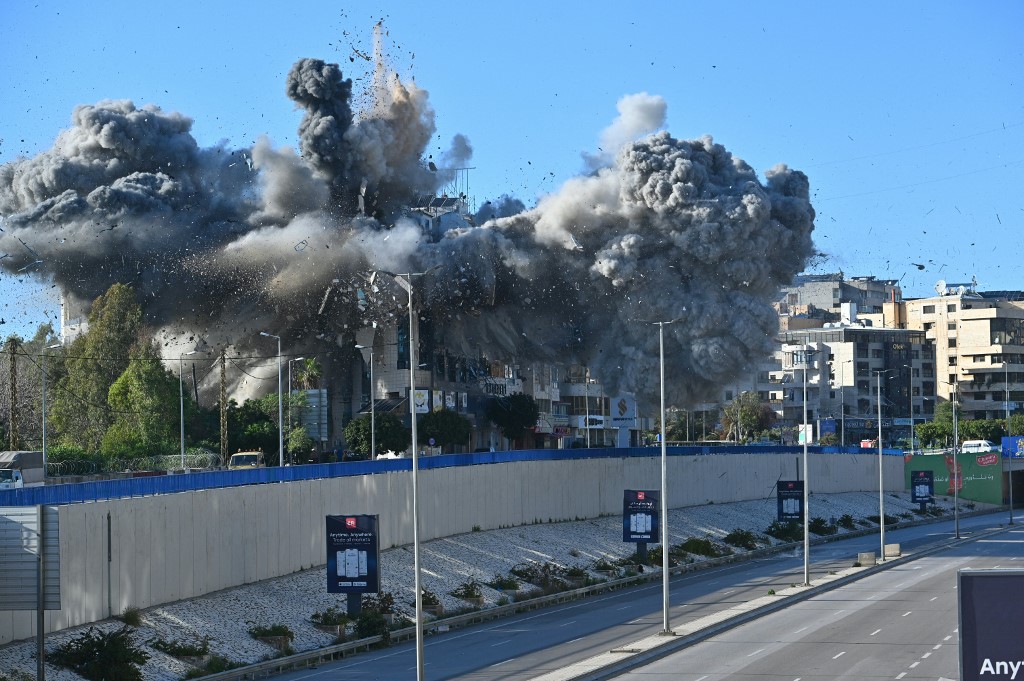
Bahrain's Defense Force issued a statement via the "X" platform, announcing that it has successfully intercepted and destroyed 188 missiles and 429 drones aimed at the kingdom since the beginning of the U.S.-Israeli war on Iran on February 28.
The General Command of the Defense Force confirmed that these achievements are due to God's grace and the vigilance of its personnel, who continue to confront successive waves of Iranian attacks, which they described as "criminal terrorism."
Details of the Incident
These statements come at a time when tensions in the region are escalating, with increasing fears of a potential military escalation between Iran and its allies on one side, and the United States and Israel on the other. Bahrain, which hosts a U.S. military base, has shown its readiness to confront the rising threats, reflecting its strategic importance in the Arabian Gulf.
In this context, the Bahraini Defense Force emphasized that its air defense systems are operating at high efficiency and are capable of countering any potential threats. These systems have been enhanced in recent years, contributing to improved capabilities in dealing with aerial attacks.
Background & Context
Historically, the Arabian Gulf region has witnessed ongoing tensions between Iran and Arab states, especially following the Islamic Revolution in Iran in 1979. These tensions have intensified with the rise of Iranian military activities in the region, including its support for armed groups in Iraq, Syria, and Lebanon.
Bahrain is considered one of the countries most affected by these tensions, as a significant number of Shiite citizens live there, believed to sympathize with Iran. In recent years, Bahrain has experienced protests and riots, increasing security concerns in the country.
Impact & Consequences
The recent statements from the Bahraini Defense Force reflect the growing concern over Iranian threats and may lead to increased security cooperation between Bahrain, the United States, and its allies in the region. Additionally, these events could impact relations between Bahrain and Iran, potentially heightening tensions between the two countries.
Moreover, the continuation of these attacks could lead to greater military escalation in the region, which may affect the stability of the Arabian Gulf as a whole. If the attacks persist, Bahrain may take additional measures to enhance its defensive capabilities.
Regional Significance
The events in Bahrain are part of a larger picture concerning regional security in the Middle East. The tensions between Iran and Arab states do not only affect Bahrain but also include countries like Saudi Arabia and the UAE, which are also facing similar threats.
The military escalation in Bahrain could have negative repercussions on the regional economy, as any escalation could disrupt trade and transport in the Gulf, affecting all Arab countries. Furthermore, the continuation of tensions may increase the flow of refugees and migrants to neighboring countries.
In conclusion, Bahrain remains in a sensitive position that requires it to make strategic decisions to address security threats. Tackling these challenges necessitates international and regional cooperation to ensure stability in the area.