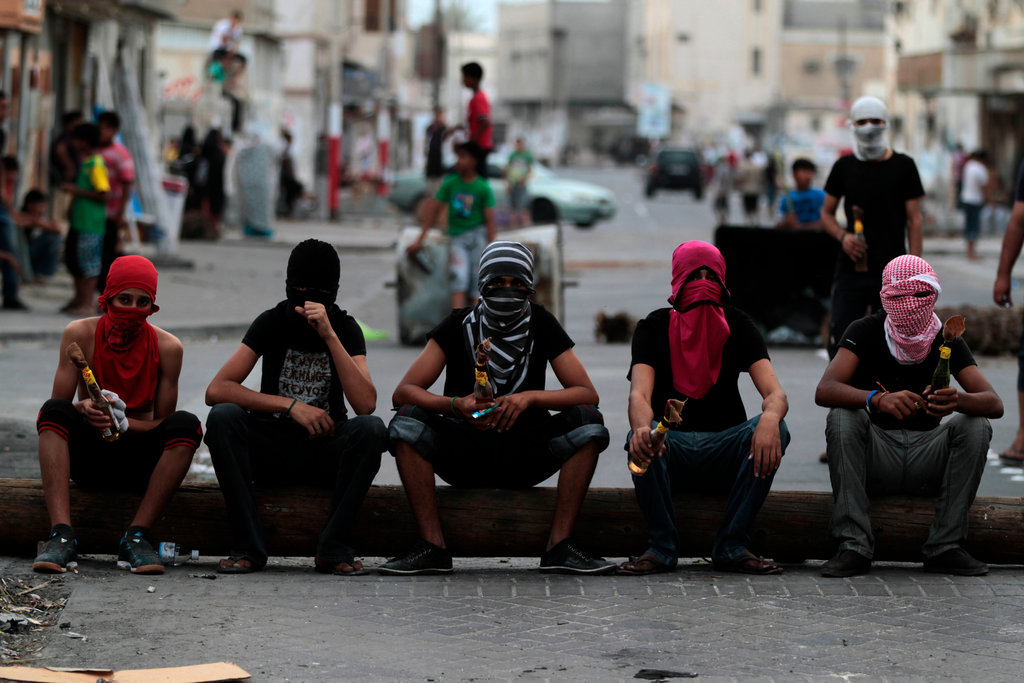
The Kingdom of Bahrain has announced strict measures against any form of opposition, as internal unrest has escalated due to renewed conflict in Iran. These steps come at a sensitive time, as the government seeks to maintain stability amid increasing regional tensions.
In recent weeks, Bahrain has witnessed growing protests from citizens expressing their dissatisfaction with government policies and economic pressures. Reports indicate that the government has arrested several political activists, raising concerns among human rights organizations regarding freedom of expression in the country.
Details of the Situation
These measures coincide with rising tensions in the region, where events in Iran directly impact the internal situation in Bahrain. The country has seen demonstrations in several areas, with protesters raising slogans calling for political and economic reforms. The Bahraini government, for its part, has confirmed that it will take all necessary measures to ensure security and stability.
Reports have also indicated that Bahraini authorities have closed several websites considered platforms for opposition, further heightening concerns about media freedom in the country. These steps are part of the government's strategy to counter any potential threats from within.
Background & Context
Historically, Bahrain has experienced several waves of protests, especially since 2011 when demonstrations calling for democracy and political reforms erupted. Although the government has carried out extensive crackdowns, popular demands have not disappeared. With rising tensions in Iran, it seems that Bahrain faces new challenges regarding internal stability.
Bahrain is part of the Gulf Cooperation Council, which faces multiple challenges, including increasing Iranian influence in the region. This influence could exacerbate internal conditions in Bahrain, where Shia citizens are part of a community seeking to improve their political and social standing.
Impact & Consequences
Recent events in Bahrain illustrate how regional crises can affect internal stability. The increasing crackdown on opposition may worsen conditions, raising the likelihood of further protests. Additionally, these measures could negatively impact Bahrain's international image, especially amid growing pressure from human rights organizations.
Moreover, continued repression may exacerbate economic crises, as political stability is considered a key element in attracting foreign investments. Under these circumstances, the Bahraini government may find itself in a difficult position, needing to balance security and stability with popular demands.
Regional Significance
Bahrain serves as a model for a range of Arab countries facing similar challenges amid regional crises. Events in Bahrain may inspire protest movements in other countries, complicating the political landscape in the region. The increasing repression of opposition could also worsen conditions in neighboring countries, necessitating greater international attention.
In conclusion, Bahrain appears to be facing significant challenges amid tense regional conditions. The recent government actions may have far-reaching implications for internal stability, requiring the international community to monitor the situation closely.