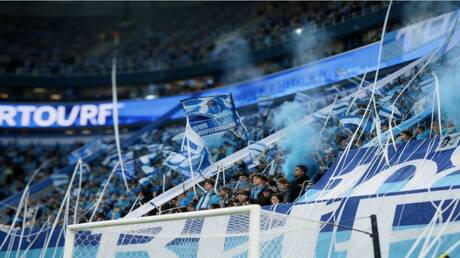
The organizers of the Russia Cup semifinal match between Zenit St. Petersburg and Spartak Moscow have sparked widespread controversy following their decision to prevent Zenit fans from executing a Tifo display, which was scheduled to be showcased before the match. This decision was made on the grounds that the display did not conform to Russian cultural values, leading to discontent among many fans and critics.
Tifo displays are considered an essential part of football culture in many countries, reflecting the enthusiasm of fans and their creativity in expressing support for their teams. However, this decision highlights the cultural and political tensions currently present in Russia, where cultural values are often used as a pretext to restrict freedom of expression.
Details of the Event
The Tifo display was expected to include symbolic messages expressing support for Zenit, but the organizers deemed that the messages might contradict national values. This decision was made just two days before the match, causing frustration among fans who were looking forward to a distinctive display that showcased their passion.
This move comes amid increasing censorship of cultural and sporting activities in Russia, where restrictions on artistic expression are being imposed across various fields. Some critics have argued that this decision represents a regression in individual freedoms and reflects the government's concern over any manifestations that could be seen as a challenge to authority.
Background & Context
Historically, Russia has witnessed numerous sporting events that have sparked debates about freedom of expression. In recent years, many cultural and sporting events have been banned under the pretext of preserving national values. This trend reflects the Russian government's policy of enhancing control over public spaces, including sports.
Tifo displays are not new to the sporting scene, as fans of clubs worldwide have used them to express their opinions and feelings. However, the increasing censorship in Russia could threaten this culture, leading to a decline in creativity and innovation in this area.
Impact & Consequences
This step may exacerbate tensions between fans and organizers, as many supporters feel their freedoms are being curtailed. Additionally, this decision could negatively affect the image of Russian football abroad, where the country is viewed as imposing restrictions on freedom of expression.
In the long term, this trend may lead to a decline in the popularity of football in Russia, as fans may feel frustrated by their inability to express their support for their teams in innovative ways. This could also impact the attraction of new audiences, adversely affecting the sport in the country.
Regional Significance
Sporting and cultural events in Russia hold particular significance for the Arab region, where many Arabs follow Russian football. These tensions may enhance discussions about freedom of expression in the Arab world, where many seek to voice their opinions in various fields.
Moreover, these events might inspire Arab fans to think about how to express their support for their teams amid restrictions imposed in some countries. This issue could serve as an opportunity to highlight the importance of freedom of expression in sports culture.
In conclusion, the ban on the Zenit St. Petersburg Tifo remains a contentious topic, reflecting the cultural and political tensions in Russia. It is crucial for discussions about freedom of expression in sports to continue, allowing fans to express their support for their teams in innovative and safe ways.