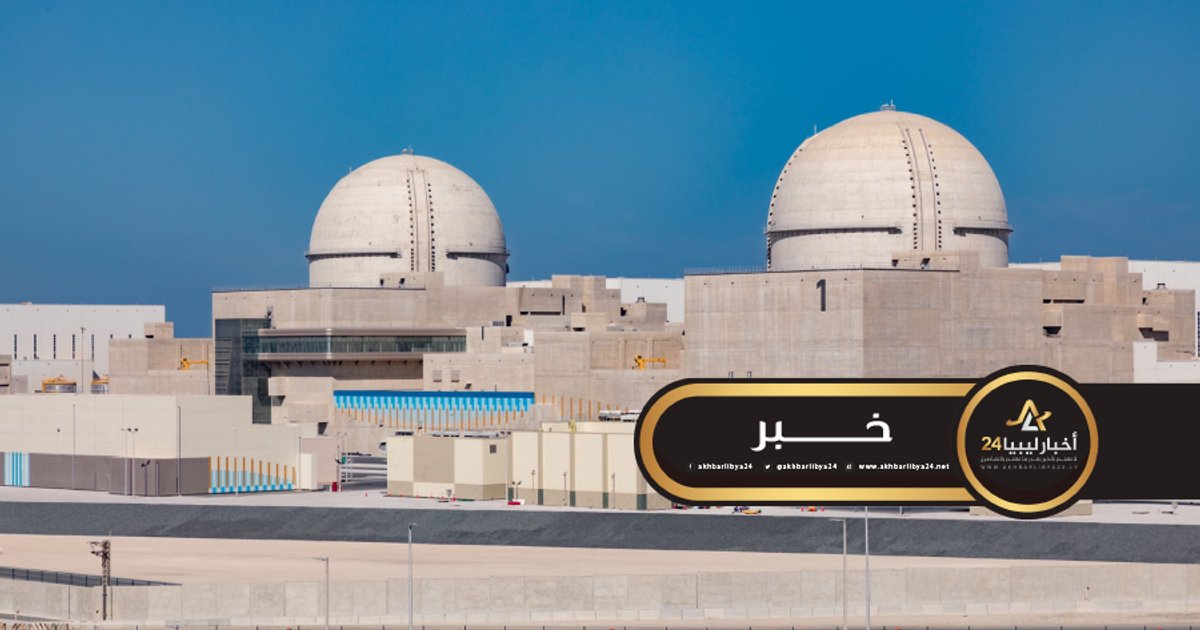
Bangladesh is preparing to launch its first nuclear reactor in the next few months, a step that comes after a long delay, as the country suffers from a severe energy crisis. This initiative comes at a time when the government faces significant challenges due to energy shortages stemming from conflicts and trade barriers in the Gulf region.
Bangladesh, considered one of the fastest-growing economies in the world, aims to enhance its energy generation capacity amid rising demand. The new nuclear reactor is expected to reduce reliance on fossil fuels, thereby helping to provide more sustainable energy.
Details of the Event
The nuclear reactor set to be operational in Bangladesh is part of an ambitious project aimed at boosting the country's energy generation capacity. Built in collaboration with Russia, it is the first of its kind in Bangladesh's history. This reactor is expected to provide approximately 2,400 megawatts of energy, assisting in meeting the country's increasing energy needs.
Bangladesh faces significant challenges in the energy sector, with residents experiencing frequent power outages. Global crises, including conflicts in the Gulf region, have exacerbated this issue, prompting the government to seek alternative solutions.
Background & Context
Historically, Bangladesh has heavily relied on fossil fuels for energy generation, making it vulnerable to fluctuations in global energy prices. As energy demand increases, it has become essential to explore alternative and sustainable sources. The nuclear reactor project was announced in 2010, but multiple delays have postponed its operation.
Nuclear energy is an attractive option for many developing countries, providing an effective solution to meet rising energy needs. However, concerns regarding safety and costs remain, making it crucial for Bangladesh to take careful steps in this direction.
Impact & Consequences
The operation of the nuclear reactor is expected to have a significant impact on the Bangladeshi economy. By providing stable and reliable energy, nuclear power could contribute to economic growth and improve the standard of living for the population. It may also help attract foreign investments, enhancing the country's capacity for sustainable development.
However, there are considerable challenges related to nuclear safety and waste management. The Bangladeshi government must ensure that all international safety standards are followed and that effective plans are in place to handle any potential incidents.
Regional Significance
The energy crisis in Bangladesh exemplifies the challenges faced by many countries in the region. With increasing conflicts in the Gulf region affecting energy supplies, other countries may find themselves compelled to seek alternative solutions, including nuclear energy.
These developments could influence trade relations between Arab countries and Bangladesh, as nuclear energy may enhance cooperation in the fields of energy and technology.
In conclusion, the operation of Bangladesh's first nuclear reactor represents a significant step towards achieving sustainability in energy, but it comes with major challenges that require effective management to ensure the safety and security of nuclear energy in the country.