In an unprecedented move, the Bangladeshi government has announced a reduction in working hours across all government and private offices, in addition to banning decorative lighting at weddings, effective Friday, April 3. These measures are part of the country's efforts to conserve energy amid rising global prices stemming from the ongoing conflict in the Middle East.
Bangladesh imports approximately 95% of its oil and gas needs, heavily relying on imports from Middle Eastern countries. The government has assured that it has sufficient stocks of gasoline and diesel but is seeking to mitigate the impacts of supply chain instability.
Details of the New Measures
Under the new decision, all government and private offices, as well as banks, will close their doors at 4 PM, while banks will remain open until 3 PM. New hours have also been set for shopping centers, which will close by 6 PM, except for stores selling food items.
The restrictions extend to the prohibition of decorative lighting at weddings, a common tradition in Bangladesh where celebrations are held in lavishly decorated venues. The government has also requested departments to cut hospitality expenses, halt vehicle and computer purchases, and reduce the number of local training courses.
Background & Context
Historically, Bangladesh has faced challenges in securing energy supplies, with approximately 60% of electricity production relying on imported gas. The conflict in the Middle East has led to a sharp increase in energy prices, significantly impacting the Bangladeshi economy. The government is now seeking loans of around $2 billion from multilateral donors to address these challenges.
As part of these efforts, the government has halted production at most fertilizer factories and deployed police to monitor fuel stations that have recently experienced heavy congestion. The government has conducted around 5,000 raids, seizing approximately 400,000 liters of fuel obtained illegally.
Impact & Consequences
Government estimates suggest that these measures will lead to a reduction in fuel consumption by up to 30%. There is also a possibility of changing school and university schedules, as the government is considering purchasing electric buses for student transportation. These steps come at a sensitive time, as Bangladesh seeks to achieve greater sustainability in its energy resources.
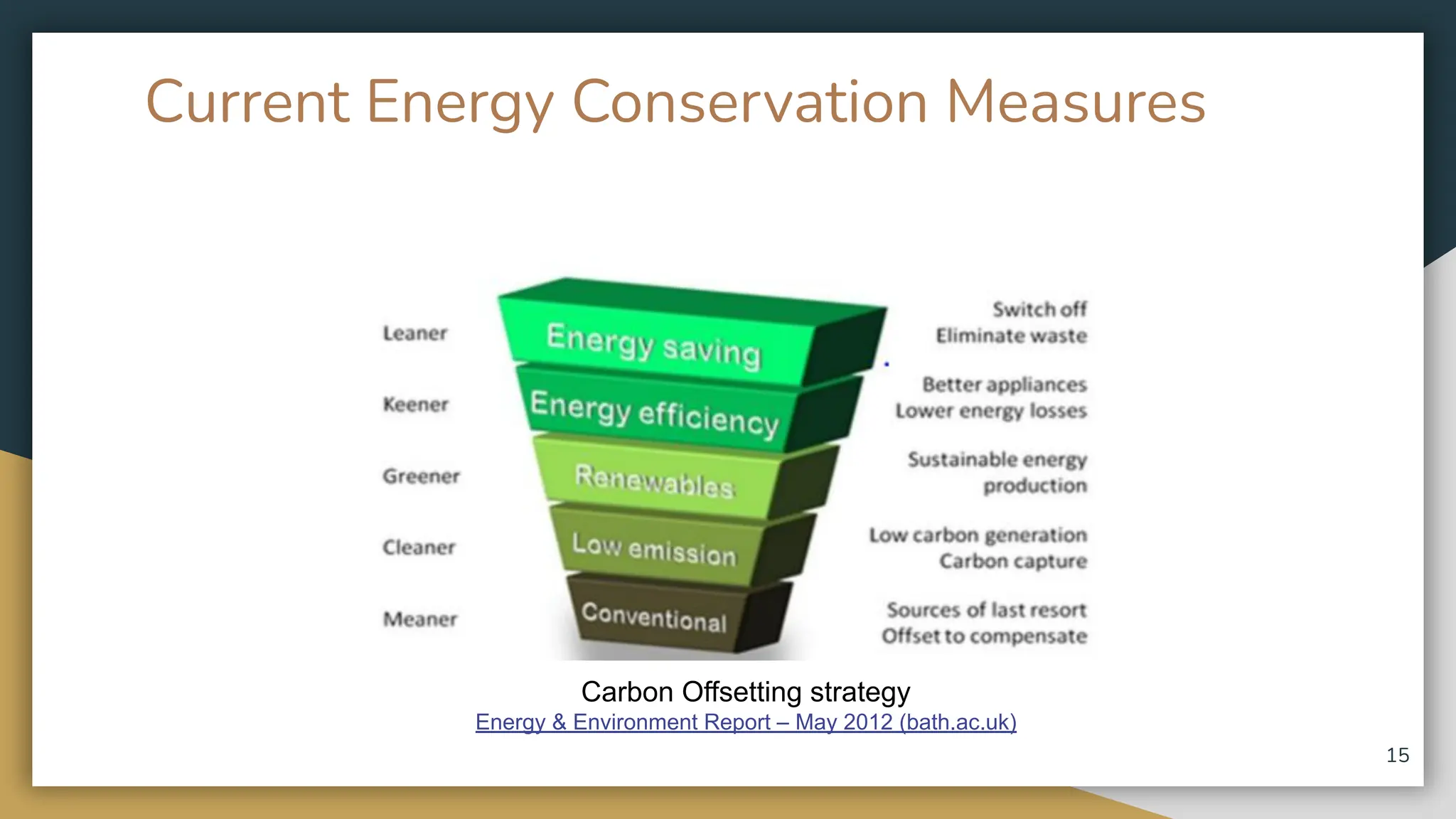
These measures are part of a broader strategy aimed at reducing reliance on imported fuels and promoting the use of renewable energy sources. However, implementing these policies may face significant challenges, especially given the heavy reliance on imports.
Regional Significance
Many Arab countries are also affected by rising energy prices due to regional conflicts. The actions taken by Bangladesh may serve as a model for some countries facing similar challenges in securing energy supplies. Furthermore, cooperation between Arab and Asian countries in the energy sector may become increasingly important under these circumstances.
In conclusion, the measures taken by Bangladesh represent a vital response to current economic challenges and may have far-reaching implications at both the regional and international levels. It is crucial for other countries to monitor these developments and learn from the lessons learned.