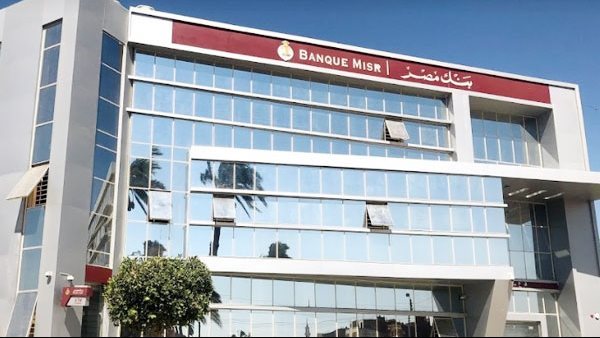
The Bank of Egypt has unveiled new savings certificates for the year 2026 with an interest rate of up to 20.5%, demonstrating the bank's response to current economic challenges and its efforts to promote a savings culture among citizens. These certificates are part of the bank's strategy to support the national economy and stimulate investment.
The new certificates allow investors to receive monthly interest payments, providing them with a regular cash flow. This offer is particularly attractive to many individuals looking to secure their financial future amid market fluctuations.
Details of the Offering
The new certificates have a maturity period of up to 3 years, with a minimum purchase amount starting from 1,000 Egyptian pounds. Investors can redeem the value of the certificates after 6 months from the purchase date, granting them flexibility in managing their funds.
This offer comes at a time when the Egyptian market is experiencing rising inflation rates, increasing the importance of savings as a means to protect savings from erosion of purchasing power. The Bank of Egypt is recognized as a leading financial institution in the country and has demonstrated its commitment to providing competitive financial products that meet customer needs.
Background & Context
Historically, Egypt has faced numerous economic challenges, including high inflation and unemployment rates. In recent years, the Egyptian government has taken multiple steps to boost the economy, including improving the business environment and offering incentives to investors. Savings certificates are part of these efforts, helping to attract local savings and stimulate investment.
This initiative coincides with the efforts of the Central Bank of Egypt to regulate monetary policy, as the bank seeks to achieve price stability and promote economic growth. Savings certificates are an effective means to achieve these goals, encouraging individuals to save rather than spend their money.
Impact & Consequences
The introduction of these certificates is expected to have a positive impact on the Egyptian economy, potentially contributing to an increase in local savings rates. Additionally, the high returns may attract more investors, enhancing the flow of funds into the market.
Furthermore, this move could improve confidence in the banking system, as citizens feel secure investing their money in banks. This would strengthen the stability of the banking sector and promote overall economic growth.
Regional Significance
The experience of the Bank of Egypt in launching high-interest savings certificates serves as a model for the Arab region, where many countries face similar economic challenges. This step could inspire other banks and financial institutions in the region to offer innovative financial products that meet customer needs.
Moreover, promoting a savings culture can enhance the financial stability of individuals, positively impacting the macroeconomic landscape of Arab countries. Given the current economic conditions, such measures are crucial for achieving sustainable development.
In conclusion, the Bank of Egypt's launch of savings certificates with an interest rate of 20.5% represents a significant step towards enhancing savings and investment in the country. This initiative is expected to contribute to supporting the Egyptian economy and stimulating growth in the coming years.