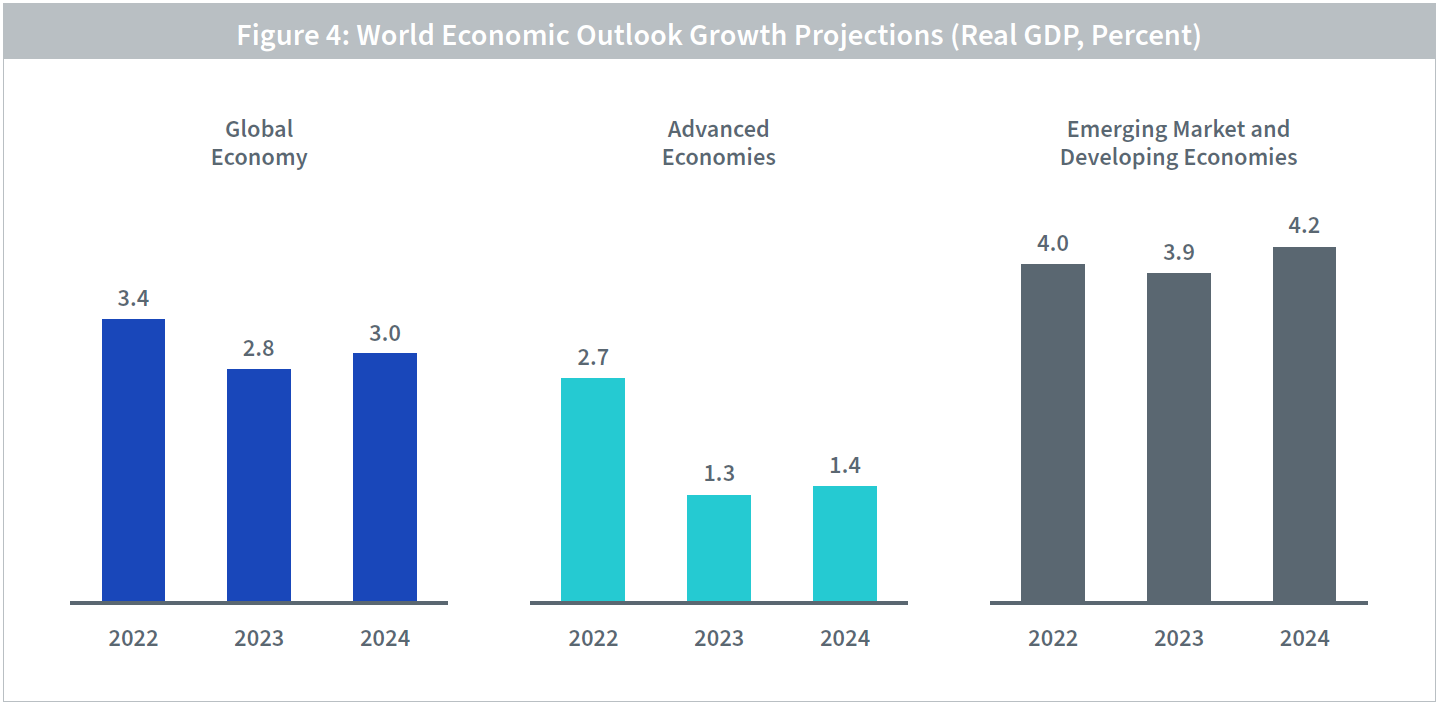
The Bank of Italy, the country's central bank, has announced a reduction in its economic growth forecasts for the current and upcoming years, predicting growth to reach only 0.5%. This downturn is attributed to the effects of the U.S. war on Iran, which has led to instability in global markets.
These forecasts come at a time when the Italian economy is facing multiple challenges, including rising inflation rates and pressures arising from geopolitical crises. The bank indicated that these factors will significantly impact economic growth in the country, necessitating urgent measures to address these challenges.
Details of the Announcement
In its latest report, the Bank of Italy clarified that the new forecasts reflect changing global economic conditions, where political and economic tensions have caused a decline in market confidence. The bank confirmed that previous estimates were more optimistic, but recent events have imposed a new reality that requires a reassessment of the situation.
The report also noted that the expected growth for next year will be driven by increased investments, but this increase may not be sufficient to offset the negative impacts resulting from current crises. The bank emphasized the importance of focusing on economic policies that support stability and sustainable growth.
Background & Context
Historically, the Italian economy has experienced significant fluctuations due to financial and political crises. Since the global financial crisis in 2008, Italy has faced numerous challenges, including high levels of public debt and unemployment. These factors have contributed to a decline in economic growth over the years.
The U.S. war on Iran is considered one of the main factors affecting the global economy, leading to increased oil prices and volatility in financial markets. Italy is one of the countries that heavily relies on imports, making it vulnerable to the impacts of these crises.
Impact & Consequences
The negative growth forecasts are expected to influence fiscal and monetary policies in Italy. The government may be forced to implement austerity measures or adjust its economic plans to confront new challenges. Additionally, the decline in growth could affect foreign investments, increasing pressures on the local economy.
Moreover, the deterioration of the economic situation may lead to rising unemployment rates, negatively impacting the standard of living in the country. Under these circumstances, it will be essential for the government to adopt effective policies to support growth and stimulate the economy.
Regional Significance
The Arab region is directly affected by economic and political events in Europe, particularly in Italy. With the decline in economic growth in Italy, Arab investments in the country may decrease, impacting economic relations between the two sides.
Additionally, crises in Iran may affect oil prices, which is crucial for many Arab countries that rely on oil exports as a primary source of revenue. Therefore, the economic situation in Italy could have wide-ranging implications for the Arab economy in general.
In conclusion, the reduction in Italy's economic growth forecasts signals the challenges the country faces amid changing global conditions. A swift and effective response from the government is required to ensure economic stability and achieve sustainable growth.