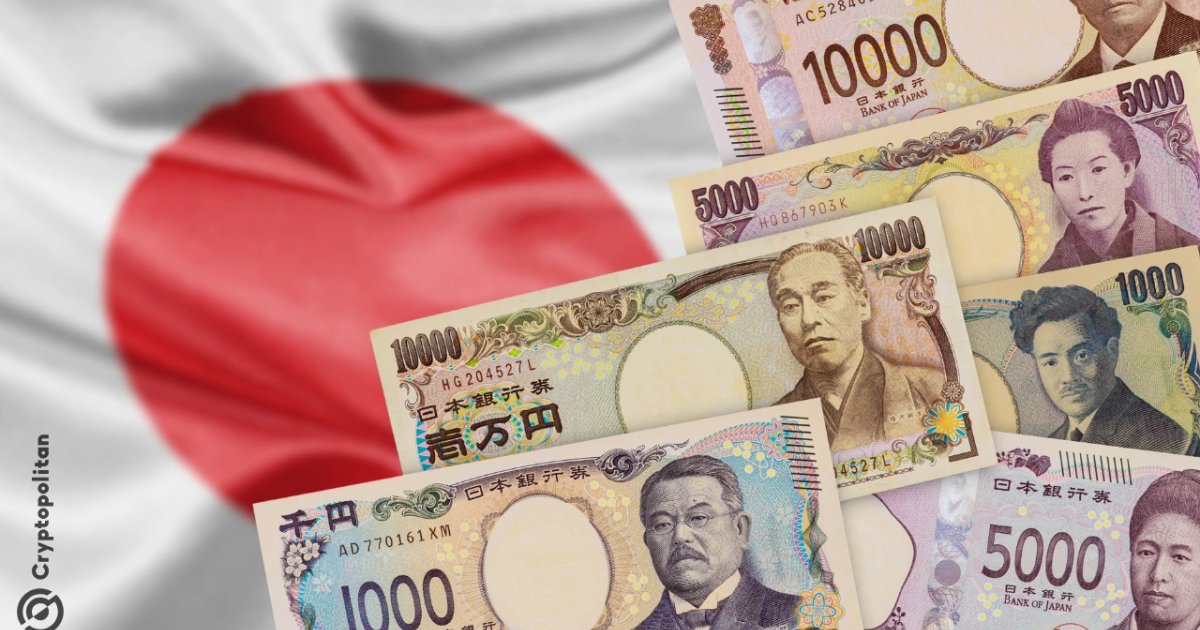
Seiji Adachi, a former board member of the Bank of Japan, revealed that the bank is likely to raise interest rates by July due to increasing inflationary pressures from rising oil prices caused by the conflict in the Middle East. Adachi noted that core inflation in Japan has already exceeded the target set at 2%, presenting new challenges for the bank.
Adachi, who served on the board until March of last year, explained that the results of the recent Tankan survey showed that companies' inflation expectations for the next five years have reached 2.5%. This situation reflects the urgent need for the central bank to address rising inflation before it falls behind in taking necessary actions.
Details of the Situation
Adachi pointed out that the rise in oil prices and supply constraints resulting from the war in Iran are strengthening the central bank's motivations to raise the short-term interest rate, which currently stands at 0.75%. He clarified that the current situation requires the bank to take swift steps to avoid exacerbating inflation.
In an interview with Reuters, Adachi stated, "With the conflict in the Middle East, the risks of the central bank delaying action on inflation have increased." He emphasized the importance of raising interest rates to levels considered neutral for the economy as soon as possible, indicating that the neutral rate in Japan might be around 1.25%.
Background & Context
Historically, the Bank of Japan has faced significant challenges in managing monetary policy, especially in light of the fragile economic environment the country has been experiencing. For years, Japan has struggled with low growth rates and low inflation, prompting the bank to adopt unconventional monetary policies.
As tensions in the Middle East escalate, particularly the war in Iran, the situation has become more complicated. The closure of the Strait of Hormuz, a vital point for oil transportation, could lead to a significant increase in oil prices, adversely affecting the Japanese economy, which heavily relies on imports.
Impact & Consequences
If the central bank raises interest rates, it could lead to increased borrowing costs for companies, conflicting with the government's efforts to boost investment in growth areas. Adachi noted that the government, led by Prime Minister Sanai Takahashi, may be reluctant to raise interest rates at this time.
Raising interest rates at this juncture is a difficult decision, as the impact of the war in the Middle East remains unclear. However, increasing inflationary pressures may force the central bank to take faster actions in the future.
Regional Significance
The Arab region is directly affected by events in the Middle East, as rising oil prices impact Arab economies that depend on oil exports. If the conflict persists for an extended period, we may witness negative effects on global markets, which could reflect on Arab investments.
In conclusion, the current situation presents a significant challenge for the Bank of Japan, as it must balance addressing inflation while achieving economic growth. Developments in the Middle East will continue to play a pivotal role in shaping the central bank's policies in the coming months.