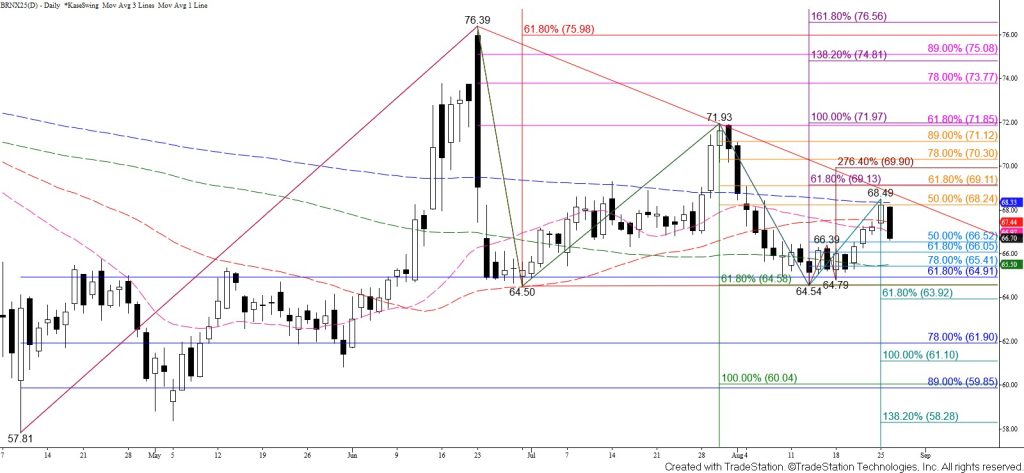
Barclays has raised its forecast for Brent crude oil prices this year to $100 per barrel, indicating that prices may rise further if disruptions in the Strait of Hormuz persist longer than expected.
The bank explained in a note that "the longer these disruptions last, the greater and more severe the price shock will be." It confirmed that oil flows through the Strait of Hormuz remain very limited, while withdrawals from inventories are accelerating.
Details of the Event
Barclays estimates that the market is currently facing a deficit of 6.6 million barrels per day, and this deficit is likely to widen in the coming period. The bank also noted that the exit of the United Arab Emirates from the OPEC organization could help narrow the gap between demand growth and non-OPEC supplies in the medium term, but it will not close it entirely, which will affect excess production capacity.
If the current disruption continues until the end of May, Brent prices based on futures contracts for 2026 could return to $110 per barrel.
Background & Context
Oil prices are considered a fundamental factor affecting the global economy, as political and economic events play a significant role in determining prices. The Strait of Hormuz, which is one of the most important waterways for oil transport, has witnessed numerous disruptions in recent years, impacting global oil flows.
Historically, oil prices have experienced significant fluctuations due to political crises, such as conflicts in the Middle East and sanctions imposed on certain oil-producing countries. These factors make it challenging to predict oil prices in the long term.
Impact & Consequences
Rising oil prices can significantly impact the global economy, as they may lead to increased transportation and production costs, which are reflected in consumer prices. Additionally, oil-importing countries may face economic pressures due to rising energy costs.
On the other hand, oil-producing countries may benefit from higher prices, increasing their revenues and bolstering their public budgets. However, ongoing disruptions in the Strait of Hormuz could lead to market instability, creating a state of uncertainty.
Regional Significance
The Arabian Gulf region is among the most affected by fluctuations in oil prices, as many countries heavily rely on oil revenues. Rising prices could enhance the public budgets of producing countries, such as Saudi Arabia and the UAE.
However, political disruptions in the region could exacerbate economic crises, requiring governments to take proactive measures to mitigate the effects of rising prices on citizens.
In conclusion, the future of oil prices remains tied to numerous factors, including political stability in the region and global market trends, making it essential to closely monitor events.