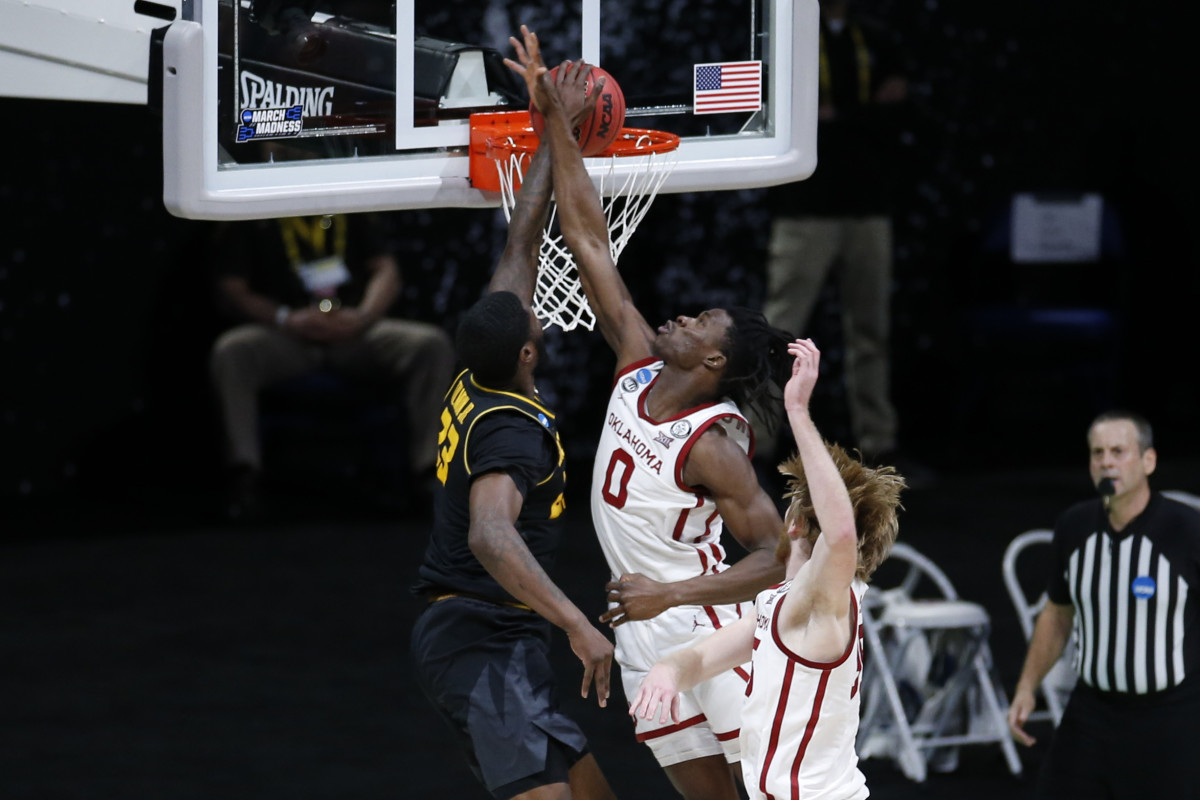
A basketball player from the University of Oklahoma, Terrence Crawford, passed away following a controversial game, where his lawyers reported that he did not receive the necessary medical attention in a timely manner. The incident occurred after the team's match against Texas, raising questions about the safety standards and healthcare available to athletes in universities.
According to reports, Crawford suffered a health crisis during the game, but the medical procedures taken were insufficient to save his life. The lawyers representing the player's family confirmed that there was a failure in providing medical care, which exacerbated his health condition.
Details of the Incident
After the game concluded, Crawford was transported to the hospital, where he was pronounced dead a few hours later. The player's family expressed their shock and deep sorrow, noting that Crawford had been in good health prior to the incident. The lawyers pointed out the urgent need to review policies related to medical care in college sports to ensure player safety.
This incident is not the first of its kind, as college sports in the United States have seen similar cases in the past. These incidents have sparked calls for stricter standards in athlete healthcare, including the presence of medical staff at all times during games.
Background & Context
Historically, college sports in the United States have focused on performance and results, often neglecting the health aspect of athletes. In recent years, universities have begun to recognize the importance of providing comprehensive medical care for athletes, but incidents like Crawford's death highlight the need for improvement in these standards.
Basketball is one of the most popular sports in American universities; however, the pressures faced by players can lead to significant health risks. In this context, many are calling for strict medical protocols, including regular check-ups and rapid intervention in emergencies.
Impact & Consequences
Crawford's death raises questions about how universities handle healthcare issues for athletes. This incident may lead to changes in existing policies, as universities are likely to adopt stricter measures to ensure player safety. Additionally, this case could open the door for further discussion about athletes' rights to receive appropriate medical care.
Moreover, this incident may affect the reputation of the University of Oklahoma, as students and parents may question the university's commitment to the health and safety of its athletes. The university is expected to face pressure from the media and the public to implement urgent reforms in this area.
Regional Significance
While this incident may seem distant from the Arab region, there are lessons to be learned. College sports in Arab countries are witnessing notable growth, and with the increasing interest in sports, there should be clear standards for healthcare for athletes. This incident could serve as a catalyst for stakeholders in Arab countries to enhance safety and healthcare standards in college sports.
In conclusion, Crawford's death underscores the urgent need for a comprehensive review of healthcare policies in college sports, both in the United States and in Arab countries. The safety of players must be a top priority to ensure a safe and healthy sports environment.