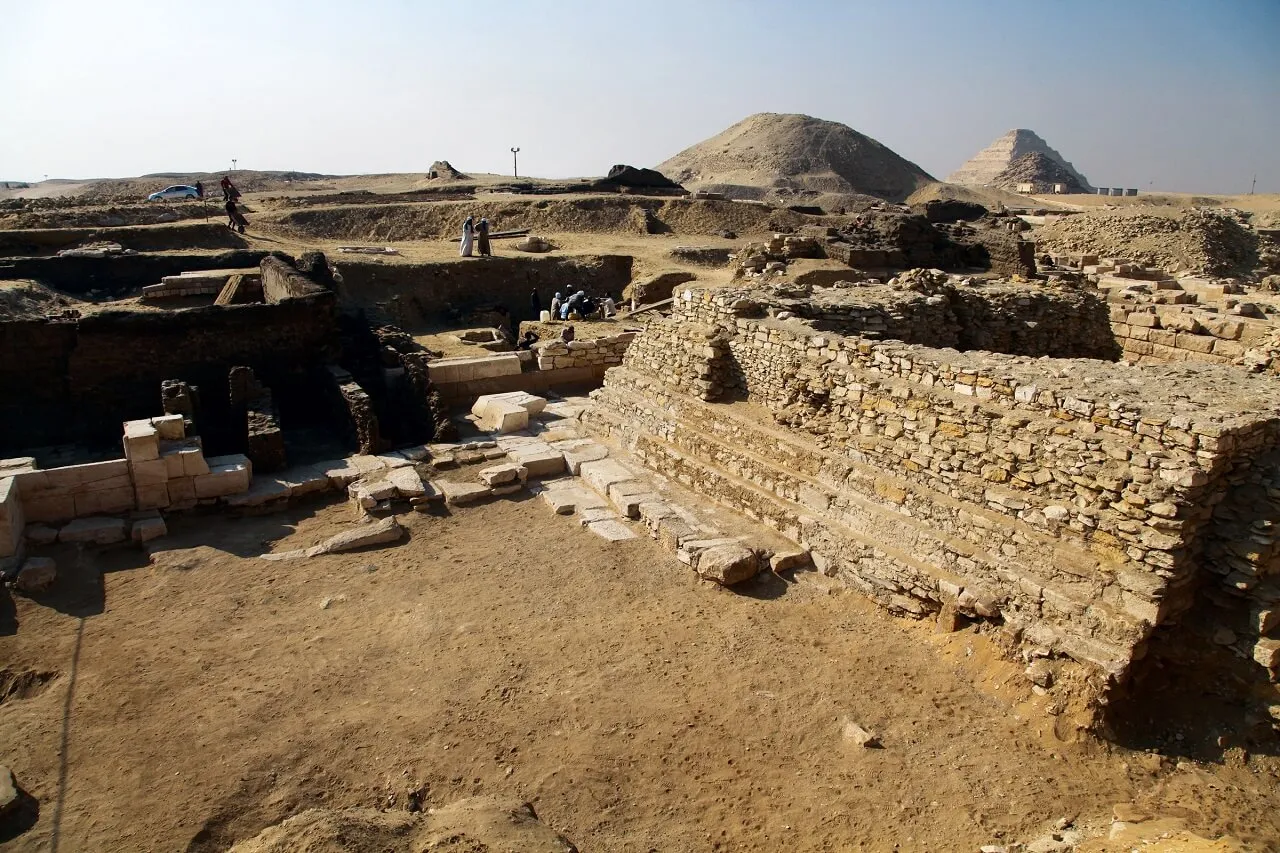
Demolition work has commenced on the Nabil Darwish Ceramics Museum in the Saqqara area, sparking widespread interest among those concerned with Egyptian culture and heritage. This action is part of a comprehensive plan to develop the archaeological area, which is one of the most prominent tourist sites in Egypt.
The museum was established in 2000 and aimed to showcase a unique collection of traditional Egyptian ceramics, making it a favored destination for visitors. However, the decision to demolish it indicates significant changes that may affect the cultural landscape of the area.
Details of the Event
The demolition is being conducted under the supervision of the Ministry of Tourism and Antiquities, which confirmed that this decision is part of a comprehensive development plan aimed at improving the infrastructure of the area. It is expected that the museum will be replaced with new facilities that align with modern standards for cultural tourism.
Although the demolition may raise concerns among heritage enthusiasts, officials assert that the development of the area will enhance its tourist appeal and increase visitor numbers.
Background & Context
The Saqqara area is considered one of the most important archaeological sites in Egypt, home to numerous pyramids and ancient temples. In recent years, the area has witnessed significant development efforts, including road improvements and better tourist services.
The Nabil Darwish Ceramics Museum was founded to serve as a platform for showcasing traditional arts, but with the increasing need for area development, it has become essential to reassess the uses of existing buildings.
Impact & Consequences
The demolition of the museum may impact cultural tourism in the area, as it represented a part of Saqqara's cultural identity. However, the development of the area could bring new investment and tourism opportunities.
The Egyptian government must balance the preservation of cultural heritage with the demands of modern tourism, a challenge that requires careful planning and a forward-looking vision.
Regional Significance
This event is part of a larger trend in the region towards developing archaeological sites and improving tourism infrastructure. It may influence how other Arab countries manage their cultural heritage, as they all strive to attract tourists and achieve sustainable development.
Ultimately, the question remains about how to achieve a balance between preserving heritage and meeting modern tourism needs, which requires thoughtful strategies and effective community engagement.