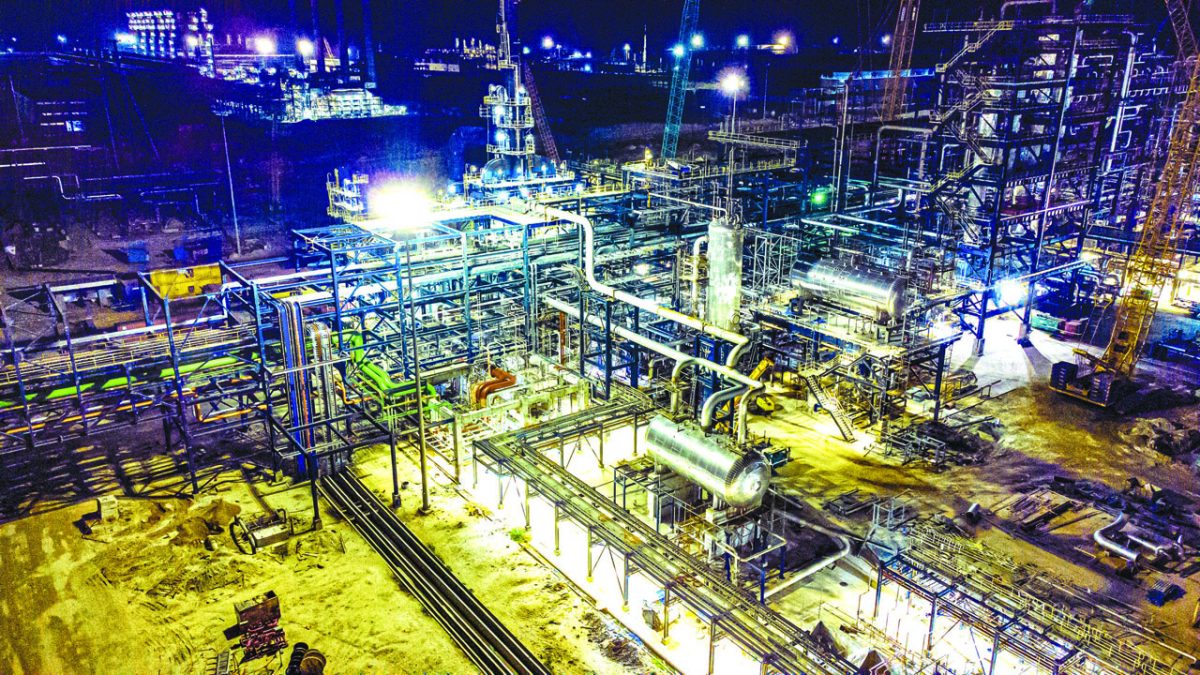
Dangote Petrochemical Refinery, one of the largest oil projects in Nigeria, has announced the commencement of large-scale fuel exports to multiple African markets, as it has reached its full production capacity. In a strategic move, the company has shipped around ten fuel shipments to markets, including distant countries like Tanzania.
This achievement is considered a milestone in the revival of the Nigerian oil sector, as the country, under the leadership of Nigerian businessman Aliko Dangote, aims to achieve energy self-sufficiency and reduce reliance on imports.
Details of the Export Initiative
Reports indicate that the production capacity of Dangote Refinery reaches 650,000 barrels per day, making it one of the largest in Africa. This refinery, which began operations a few years ago, was initially aimed at enhancing Nigeria's oil processing capabilities and providing suitable fuel for the local market. Now, it is shifting towards exporting its products to other countries on the continent.
According to officials at the refinery, expansion plans for exports include other countries such as Ghana, Senegal, and Cameroon. This move aligns with the increasing demand for fuel in African markets, opening up opportunities for foreign currency inflow into Nigeria.
Background & Context
Founded in 2016 as part of a four-year plan to support the local economy and create new jobs, Dangote Refinery signifies a pivotal shift for Nigeria. The country is one of Africa’s largest oil producers, yet it has faced numerous challenges regarding fuel shortages and an unstable oil market. These issues prompted the government to implement policies aimed at improving oil infrastructure and developing local industries, as exemplified by the establishment of Dangote.
Statistics show that until recently, Nigeria was dependent on importing over 80% of its fuel needs, which adversely affected the national economy. However, with the operation of Dangote Refinery, it seems the situation is beginning to change.
Impact & Consequences
This initiative is expected to improve Nigeria's balance of payments, as fuel exports will contribute to foreign currency inflow. Additionally, this initiative could stimulate economic activity and support small and medium enterprises, which is considered crucial for sustainable economic growth.
The success of fuel exports from Nigeria may also encourage other African countries to invest in similar projects to enhance their production capabilities. This could lead to creating a greater cooperative network among African nations, facilitating infrastructure development and resource sharing.
Regional Significance
As many Arab countries face challenges in securing energy, Nigeria's success in fuel exports may inspire efforts to make the Arab market more self-sufficient. Learning from Nigeria's experiences could lead to stronger energy partnerships between Middle Eastern and African nations.
Arab nations can enhance cooperation with Nigeria, whether in investment or sharing technical knowledge, which will contribute to increasing sustainability in the energy sector in the region.