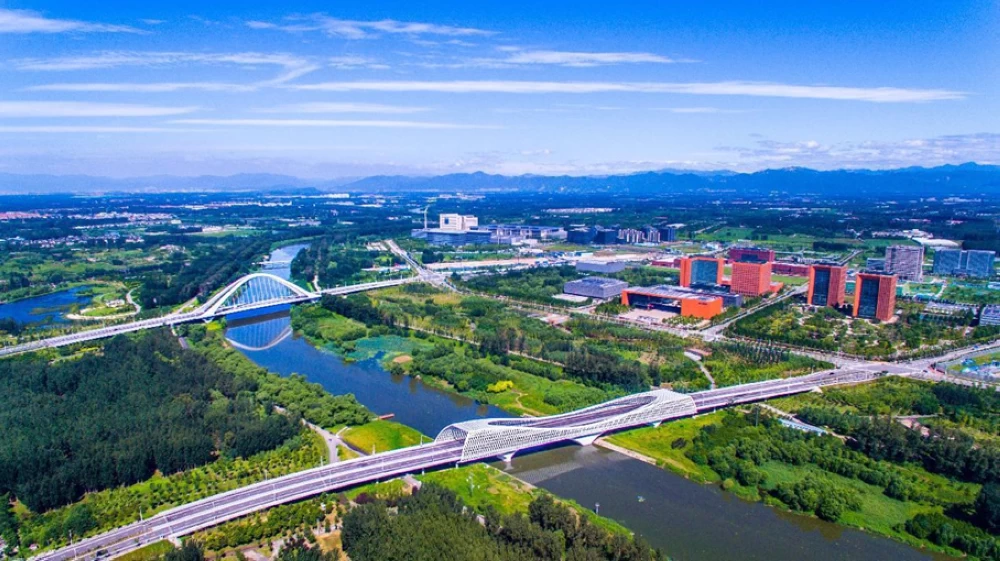
In 2025, Beijing, the capital of China, achieved its best air quality since local environmental authorities began monitoring, experiencing a record decline in average concentrations of airborne particulate matter (PM2.5) and a notable increase in the number of days with good air quality.
According to the Beijing Ecological and Environmental Statement for 2025, published by the Xinhua News Agency, the average level of PM2.5 in the city dropped to 27 micrograms per cubic meter, marking a decrease of 11.5% compared to the previous year.
Event Details
Beijing enjoyed 311 days of good air quality, which represents 85.2% of the year, while only one day of severe pollution was recorded, the lowest level ever. This remarkable progress reflects the city’s continuous efforts to improve the environment, as Beijing had experienced 58 days of heavy pollution and only 176 days of good air quality in 2013.
Since then, Beijing has taken serious steps towards a green transformation, including addressing coal burning, promoting the use of new energy vehicles, increasing the use of green electricity, reducing dust and noise pollution, and supporting the transformation and upgrading of polluting industries.
Background & Context
Air quality in Beijing has been an urgent environmental issue, as the city has suffered for years from high pollution levels due to rapid industrial growth and an increasing number of vehicles. In recent years, the Chinese government has launched several initiatives to improve the environment, including tightening pollution-related laws and promoting renewable energy use.
These improvements come as part of China's vision for sustainable development, where the government seeks to balance economic growth with environmental preservation. Beijing has proven to be a model in this regard, achieving tangible results in improving air quality.
Impact & Consequences
The improvement in air quality in Beijing has positive effects on public health and social well-being. Studies indicate that better air quality can reduce respiratory diseases and increase the average life expectancy of the population. Additionally, these improvements enhance the city's image both locally and internationally, potentially attracting more investments and tourists.
Furthermore, Beijing's success in improving air quality can serve as a model for other cities in China and around the world, many of which face similar challenges in environmental pollution.
Regional Significance
Beijing's experience in improving air quality is particularly significant for the Arab region, where many capitals suffer from high pollution levels. Arab countries can benefit from the lessons learned from Beijing's experience by adopting stricter environmental policies and enhancing the use of renewable energy.
Moreover, cooperation between Arab countries and China in the fields of environment and sustainable development can contribute to improving the quality of life in the region and bolster global efforts to combat climate change.
In conclusion, the environmental improvements achieved by Beijing represent an important step towards a more sustainable future and underscore the importance of international cooperation in addressing environmental challenges.