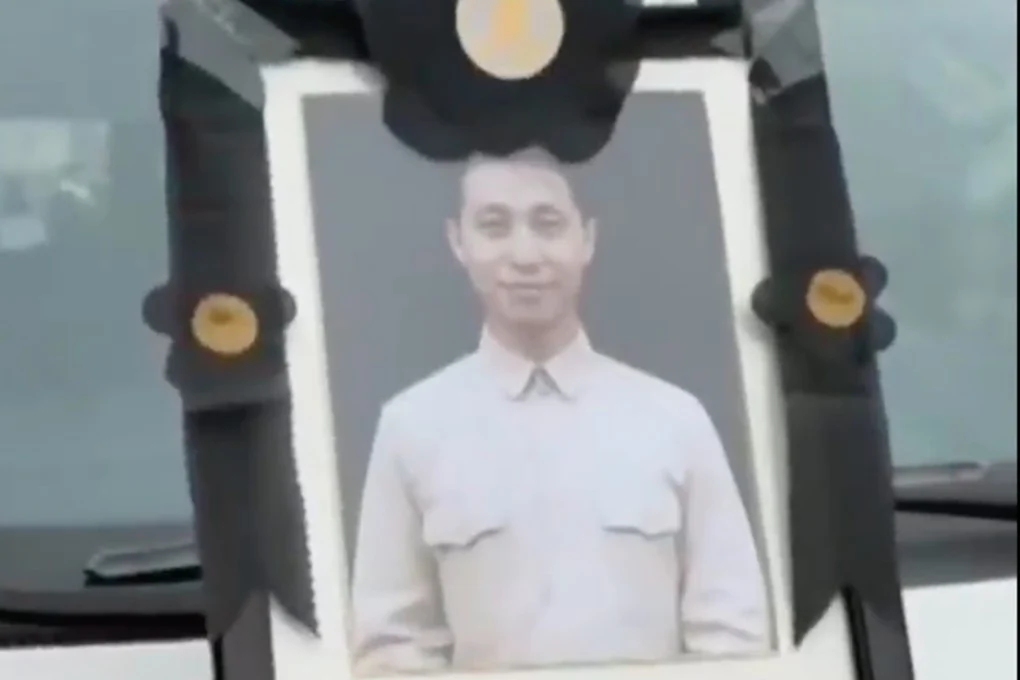
The Chinese government has announced the recovery of remains of historical spies from the Communist Party from Taiwan, considering this step a symbol of heroism and nationalism. Chang Han, spokesperson for the Taiwan Affairs Office in mainland China, confirmed that the ashes were returned before the Qingming festival, known as Tomb-Sweeping Day, which falls on April 5 each year.
This move comes at a sensitive time, as the opposition party leader Kuomintang, Cheng Liwen, is preparing for a visit to Taiwan, adding an important political dimension to this process. Beijing has regarded these spies as heroes who made significant sacrifices for the homeland, reflecting its desire to enhance national spirit amid ongoing tensions with Taiwan.
Event Details
The recovery of these spies' remains is part of Beijing's efforts to revive national history and strengthen Chinese identity. The ashes were handed over in a special ceremony, emphasizing the importance of these individuals in the history of the Chinese Communist Party. Their role in supporting the communist movement during critical historical periods was highlighted, reflecting Beijing's commitment to promoting national spirit.
This step coincides with rising tensions between China and Taiwan, as Beijing seeks to achieve unity with the island, which it considers part of its territory. Observers have noted that this move may be part of a larger strategy aimed at enhancing Chinese control over Taiwan by reviving historical symbols.
Background & Context
Historically, relations between China and Taiwan have been tense since the end of the Chinese Civil War in 1949, when the Nationalist Party retreated to Taiwan. Since then, Beijing has considered Taiwan part of its territory, while Taiwan enjoys autonomy. Recent years have seen an escalation in tensions, particularly with increased Chinese military activity around the island.
This step is seen as part of Beijing's efforts to promote national unity, as the government seeks to enhance Chinese identity by reviving historical symbols. In recent years, there has been an increase in media campaigns promoting the idea of unity, reflecting current political trends in Beijing.
Impact & Consequences
This move could exacerbate tensions between China and Taiwan, as Taiwan may view it as an attempt by Beijing to undermine its sovereignty. Such events could provoke strong reactions from political parties in Taiwan, especially with elections approaching. Additionally, this step may affect China's relations with other countries that support Taiwan, complicating the political landscape in the region.
Furthermore, the recovery of these spies' remains could bolster the Chinese government's internal position, as it seeks to enhance popular support for its unity efforts. This step may lead to increased support for the Communist Party domestically, reflecting the importance of historical symbols in promoting national identity.
Regional Significance
Although events in Taiwan may seem distant from the Arab region, there are lessons to be learned from these tensions. Regional conflicts, whether in Asia or the Middle East, often impact political and economic stability. Moreover, the promotion of national identity in any country can have ramifications for international relations.
Additionally, events in Taiwan may affect Arab countries' investments in China, as China is an important trading partner for many Arab nations. Therefore, closely monitoring these developments will be crucial to understanding how they may impact Arab interests in the future.