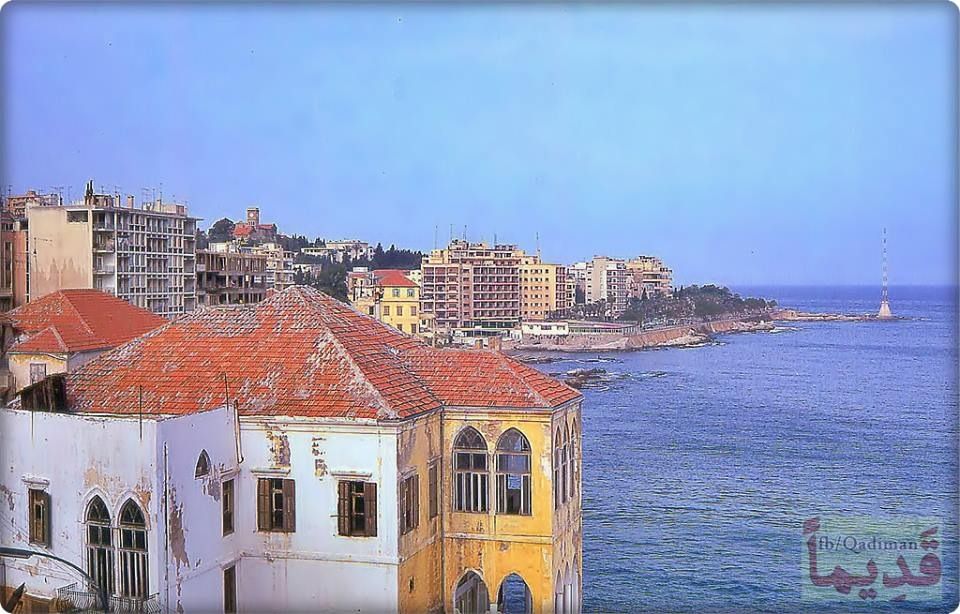
In a scene that epitomizes the sharp contradictions of Lebanese reality, thousands of displaced persons, who have been forced to flee their homes due to Israeli bombardments, have sought refuge along the seaside corniche in the capital, Beirut. Here, they coexist with the affluent who stroll along the waterfront overlooking the Mediterranean. These displaced individuals find shelter amidst deteriorating security conditions, while others live lives of luxury, seemingly unaffected by the violent occurrences that often erupt.
This phenomenon is not new to the Lebanese capital, which has long been a battleground for social and economic disparities. The corniche, considered a center for leisure and entertainment, now hosts a mix of divergent fates; between children playing in the sand and pedestrians taking leisurely walks, one can see those who have lost everything sitting on the sidewalks, waiting for their circumstances to improve.
The recent events witnessed in Lebanon, which began with an escalation of Israeli bombardments and invasions, are part of a long history of conflicts that have ignited the region. For over 75 years, the country has experienced ongoing struggles among various factions and external forces, leading to a deep division within Lebanese society.
This new conflict raises questions about the humanitarian and social conditions in Lebanon, where the country faces significant economic challenges. While some parts of the city indulge in luxury, other areas suffer from extreme poverty and a lack of basic services. This paradox raises questions about a culture of affluence against the backdrop of widespread suffering among the city's populace.
The future implications of this situation could be dire. As the conflict intensifies and bombardments increase, so does the visibility of poverty among the displaced. This may exacerbate the humanitarian conditions, complicating the development of events further. Furthermore, there are repercussions for social stability given the widening economic gap.
Lebanon, which is a meeting point for cultures and trade, grapples with severe challenges affecting its relationships with its neighbors, especially under current pressures. The ongoing state of displacement may further aggravate security conditions, threatening greater instability in the region.
In light of these events, the importance of providing humanitarian aid and care for the displaced has become increasingly clear. Lebanon faces multiple challenges that are not only internal; the expanding poverty could potentially impact other countries due to ongoing humanitarian crises.
Furthermore, urgent questions arise regarding the role of the international community in assisting Lebanon alongside immediate humanitarian interventions. As the conflict intensifies, the humanitarian situation necessitates immediate international attention, which should include support for the displaced and conflict areas.
The streets of Lebanon are projecting a contradictory image where social life and luxury intersect with cries of loss and pain.
In conclusion, it should be acknowledged that what is happening in Beirut is not just a fleeting occurrence but a manifestation of the ongoing crises affecting the Arab region as a whole. The conflict foreshadows a future filled with challenges, and the international community is called upon to act in order to assist these affected individuals, whether in Lebanon or in any other region impacted by current events.