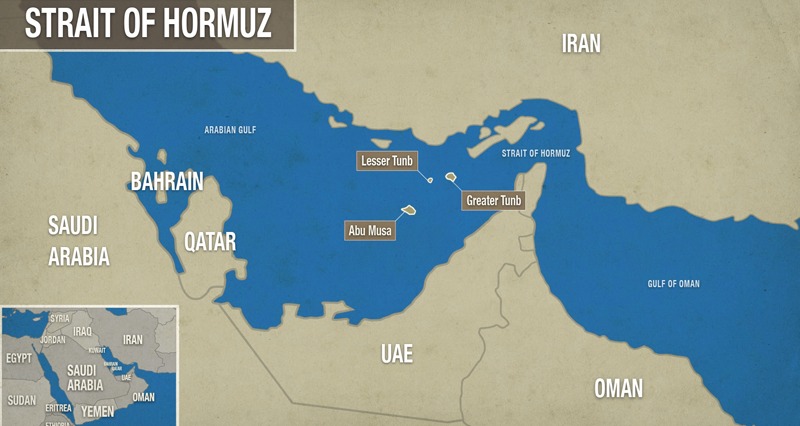
Belgium has announced its readiness to participate in an international coalition aimed at removing mines from the Strait of Hormuz, in a move that reflects its commitment to maritime security. This announcement comes at a sensitive time as the region experiences increasing tensions, with the Strait of Hormuz being one of the most important maritime passages in the world, serving as a vital transit point for oil and natural gas.
Through this participation, Belgium aims to enhance maritime security in the region, especially in light of the growing threats faced by commercial vessels. The Belgian government has confirmed that this step is part of joint international efforts to ensure the safety of maritime navigation and protect the economic interests of the concerned countries.
Details of the Initiative
Belgium's involvement in this coalition follows a series of incidents in the Strait of Hormuz, where several vessels have been attacked by armed groups. These events have raised concerns within the international community, prompting many countries to consider taking preventive measures to protect their interests in the region.
The international coalition is expected to include a group of countries with advanced naval capabilities, which will work on conducting mine removal operations and providing protection for commercial vessels. Belgium will also contribute its expertise in maritime operations, enhancing the effectiveness of this coalition.
Background & Context
The Strait of Hormuz is considered a strategic point in the world, through which approximately 20% of the world's total oil passes. The region has witnessed increasing tensions over the years, particularly between Iran and Western countries, leading to heightened concerns regarding the safety of maritime navigation.
In recent years, several countries have bolstered their military presence in the region, reflecting the importance of the Strait of Hormuz as a vital point in global trade. These tensions have impacted oil prices and energy markets, making it essential to take effective steps to ensure navigation safety.
Impact & Consequences
Belgium's participation in this coalition is a significant step toward enhancing maritime security, as it may help reduce the risks faced by commercial vessels. Additionally, this move could lead to improved relations among participating countries and strengthen cooperation in the field of maritime security.
On the other hand, this participation may increase tensions with countries that view it as a threat to their interests, necessitating Belgium and coalition countries to take diplomatic measures to avoid any escalation in the region.
Regional Significance
This step is crucial for Arab countries that rely on the Strait of Hormuz for transporting their oil exports. Any threat to the safety of navigation in this strait can directly impact Arab economies, especially those heavily dependent on oil revenues.
Moreover, enhancing maritime security in the region can contribute to stabilizing oil markets, benefiting Arab countries and strengthening their ability to face economic challenges.
In conclusion, Belgium's participation in this international coalition reflects a strong commitment to maritime security and highlights the importance of international cooperation in addressing shared challenges. This step is expected to contribute to stabilizing the region, benefiting all parties involved.