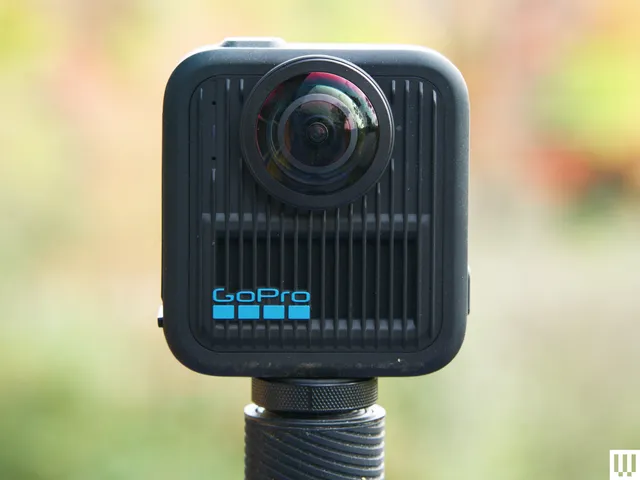
360-degree cameras are advanced technological tools that allow users to capture complete scenes in a 360-degree view. With the evolution of technology, brands like DJI, Insta360, and GoPro stand out as the top choices available in the market.
These cameras are characterized by their ability to capture images and videos comprehensively, making them ideal for use in various fields such as tourism, sports events, and documentaries. They provide a unique experience for users, allowing them to explore scenes from all angles as if they were present in the location itself.
Event Details
360-degree cameras incorporate advanced technologies such as high-quality imaging, image stabilization, and seamless connectivity with smartphones. For instance, the Insta360 ONE X2 is considered one of the best on the market, offering a shooting resolution of up to 5.7K with live streaming capabilities. Meanwhile, DJI offers cameras like the DJI Action 2, which are lightweight and user-friendly.
Manufacturers are striving to enhance camera performance through continuous software updates, ensuring users have the best possible shooting experience. Additionally, these cameras support virtual reality technologies, increasing their appeal in the market.
Background & Context
360-degree cameras have seen remarkable development since their initial market introduction. Initially, these cameras were primarily used in professional fields, but with increasing demand, they have become available to the general public. Technology has rapidly evolved, leading to improved image quality and reduced prices, making them accessible to everyone.
Historically, traditional cameras were limited to a narrow field of view, which restricted the viewing experience. However, with the advent of 360-degree cameras, it has become possible to capture moments comprehensively, adding a new dimension to photography and videography.
Impact & Consequences
As the use of 360-degree cameras increases, this technology is expected to significantly impact the media and entertainment industry. These cameras can revolutionize content production, as viewers can now immerse themselves more deeply in the experience.
Moreover, these cameras can be utilized in educational and training fields, allowing students and teachers to benefit from interactive experiences. Their use in sports events can also provide viewers with a unique experience, enabling them to watch matches from multiple angles.
Regional Significance
In the Arab region, 360-degree cameras can have a significant impact on tourism and marketing. With the growing interest in tourism in countries like Egypt, Jordan, and the UAE, these cameras can be used to highlight tourist attractions in a new and engaging way.
They can also be employed in cultural and artistic events, enhancing visitor experiences and increasing engagement with the content. Ultimately, 360-degree cameras represent a step towards a more interactive future in the world of photography.