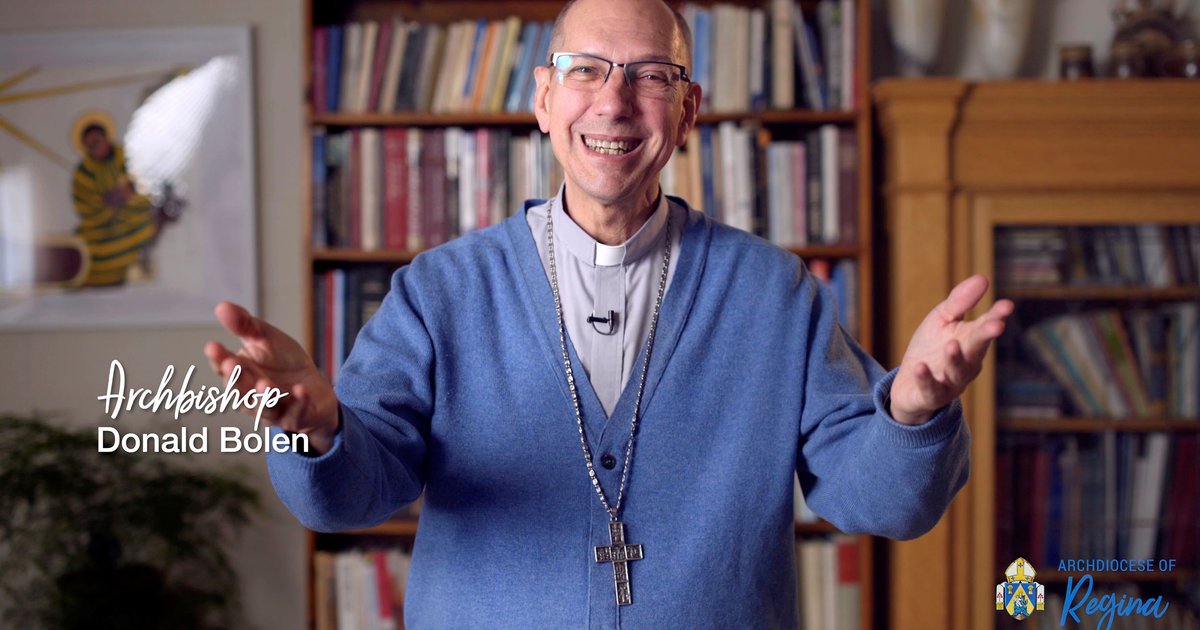
In light of the exceptional circumstances facing the world, the bishop has sent a message filled with hope and peace for Easter, emphasizing the importance of unity and solidarity in facing challenges. This message comes at a time when many are missing traditional celebrations in churches, reflecting the impact of global crises on religious rituals.
The bishop affirmed that Easter represents a symbol of hope and new life, urging everyone to reflect on the deep meanings of this holiday, even in the absence of traditional gatherings. He also pointed out that this difficult period can be an opportunity for introspection and spiritual connection with oneself and others through modern communication means.
Details of the Event
The bishop's message comes at a time when the world is facing significant challenges, including ongoing pandemics and conflicts. He noted that many communities have been unable to celebrate Easter as they usually do, leading to feelings of loss and nostalgia for the past. Nevertheless, he emphasized that the true spirit of the holiday is still present and can be expressed in new and innovative ways.
The bishop also called for the promotion of values of love and tolerance, stating that these values are what the world needs today more than ever. He stressed the importance of supporting local communities and those in need, especially during these difficult times.
Background & Context
Easter is one of the most important Christian holidays, celebrated by believers in remembrance of the resurrection of Christ. Historically, this holiday has been an opportunity to gather and celebrate with family and friends in churches. However, the current global circumstances, including the COVID-19 pandemic, have significantly affected these rituals, prompting many churches to close their doors or reduce attendance.
Despite these challenges, many churches have turned to technology to offer their services online, allowing people to participate in celebrations from their homes. These transformations reflect the communities' ability to adapt to changing circumstances, but they also highlight the gap between different generations in how religion is practiced.
Impact & Consequences
The bishop's message serves as a call to reflect on how to redefine religious rituals in the current circumstances. While the absence of physical gatherings may be painful, spirituality can continue in new ways. This shift may lead to lasting changes in how religion is practiced, opening the door to new forms of spiritual expression.
This message also reflects the importance of hope in difficult times, which can have a positive impact on individuals' mental health. Amid social and economic pressures, such messages can serve as a beacon of hope for many.
Regional Significance
In the Arab region, where many Christian communities reside, the bishop's message can have a significant impact. The holiday represents an opportunity for communication between different cultures and religions, enhancing values of tolerance and love. In light of political and social tensions, such messages can serve as a bridge for understanding between diverse communities.
In conclusion, the message of hope and peace sent by the bishop on the occasion of Easter remains a call for everyone to reflect on shared human values and to strengthen bonds between individuals and communities in the face of the challenges we face.