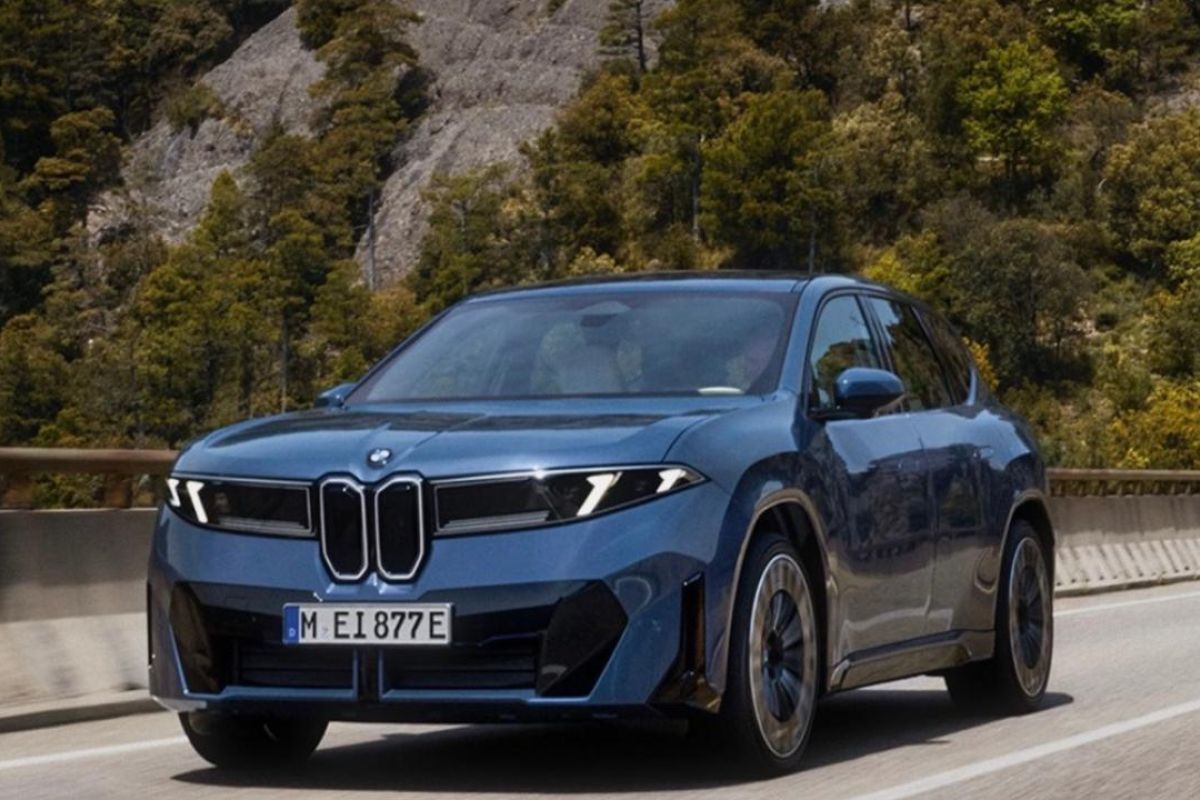
German automaker BMW has announced a series of radical updates to its electric vehicle lineup, set to launch in the summer of 2026. These changes are part of the company's effort to strengthen its position in the growing electric vehicle market, with updates including the introduction of new, affordable models and technological improvements based on artificial intelligence.
Among the standout new models is the BMW iX3 40, which represents the base version of the Neue Klasse platform. This new model features sixth-generation electric drive technology, built on an 800V architecture, allowing for faster and more efficient charging.
Event Details
Despite being the base model, the BMW iX3 40 maintains high performance, powered by a rear electric motor with a capacity of 235 kW, equivalent to 320 horsepower and a torque of up to 500 Nm. The company claims that this model can accelerate from 0 to 100 km/h in 5.9 seconds, with an electronically limited top speed of 200 km/h.
The iX3 40 comes equipped with a battery capacity of 82.6 kWh, which can be charged at speeds of up to 300 kW. When fully charged, the vehicle can cover a distance of up to 637 km according to WLTP testing standards. Additionally, the energy consumption ranges from 14.5 to 17.3 kWh per 100 km.
Background & Context
These updates come at a time when the electric vehicle market is experiencing intense competition, with many major companies seeking to enhance their presence in this sector. BMW is considered one of the leading automotive manufacturers and has invested heavily in developing new technologies to meet the growing needs of consumers.
BMW is also looking to improve user experience by introducing a new generation of intelligent personal assistant features based on artificial intelligence, developed in collaboration with Amazon Alexa. This new system will be capable of understanding conversations and requests more naturally, enhancing driver interaction with the vehicle.
Impact & Consequences
These updates represent a strategic move by BMW to bolster its competitive edge in the electric vehicle market. With the increasing demand for electric cars, offering models at affordable prices and advanced technologies could help attract a larger segment of consumers.
The introduction of new customization options, such as multiple exterior colors and varied interior designs, reflects a trend towards better meeting customer needs, which may lead to increased brand loyalty.
Regional Significance
In light of the global shift towards clean energy, these developments in the electric vehicle industry could impact the Arab market, where many Arab countries are moving towards investing in electric vehicle infrastructure. BMW could contribute to this trend by offering models that suit the local market.
In conclusion, the new updates from BMW represent an important step towards the future of electric vehicles, reflecting the company's commitment to delivering innovative technologies and exceptional driving experiences.