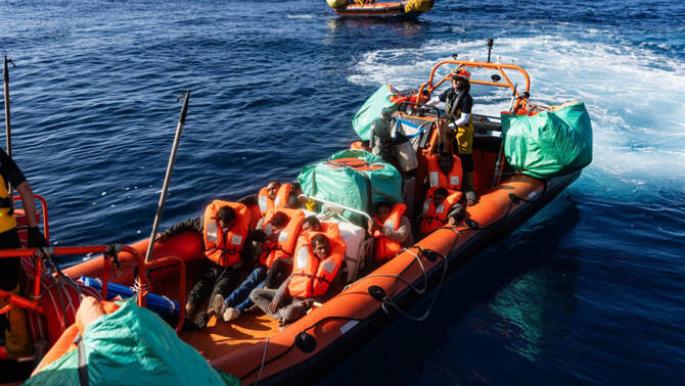
The organization 'Mediterranea Saving Humans', based in Italy, has announced a new tragedy in the Mediterranean Sea, where a boat carrying irregular migrants sank, leading to the loss of over 70 individuals in a tragic incident.
This incident occurs at a time when the number of migrants attempting to cross the sea in search of a better life is on the rise, facing significant dangers during their journey. Reports indicate that the boat was carrying a group of people seeking to reach European shores.
Details of the Incident
According to the organization, the boat sank in an area close to the Italian coasts, where maritime conditions were challenging. Rescue teams were dispatched to the area, but search operations for survivors were complicated by high waves. The incident reflects the ongoing challenges faced by migrants at sea, as risks increase with their numbers.
This incident is one of many tragic occurrences witnessed in the Mediterranean Sea in recent years. Such incidents have raised international concern regarding how to address the migration crisis affecting many European countries.
Background & Context
Historically, the Mediterranean Sea has seen numerous tragic incidents related to migrants. Since the beginning of the millennium, thousands of individuals have attempted to cross this sea in unsafe boats, resulting in many lost lives. This region is considered one of the busiest migration routes in the world, as many seek to escape wars and poverty in their home countries.
European governments are under increasing pressure to address this crisis, with policies varying between countries. Some nations adopt strict policies towards migrants, while others seek to provide assistance and support. This disparity in policies reflects the political and social challenges faced by European nations.
Impact & Consequences
This incident underscores the urgent need for effective solutions to the migration crisis. The recurring incidents have sparked global concern about how to protect migrants and ensure their safety. Moreover, these incidents impact relations between European countries and the countries exporting migrants, complicating the situation further.
The current crisis requires international cooperation and coordination among countries to address the root causes of migration. Solutions should include improving economic and social conditions in migrant-exporting countries, along with providing necessary support for migrants seeking to reach Europe.
Regional Significance
The migration crisis is a sensitive issue that directly affects the Arab region. Many migrants attempting to cross the Mediterranean Sea come from Arab countries suffering from conflict and poverty. These incidents highlight the need to improve conditions in these countries to ensure that people are not forced to risk their lives on perilous journeys.
Additionally, these incidents affect the image of Arab countries in the international community, emphasizing the need to provide support and assistance to migrants rather than treating them solely as a security issue. There must be joint efforts to address this humanitarian issue.
The tragedy of the boat sinking in the Mediterranean Sea remains a poignant reminder of the challenges faced by migrants. The current situation requires an urgent response from the international community to ensure the protection of migrants and improve their conditions.