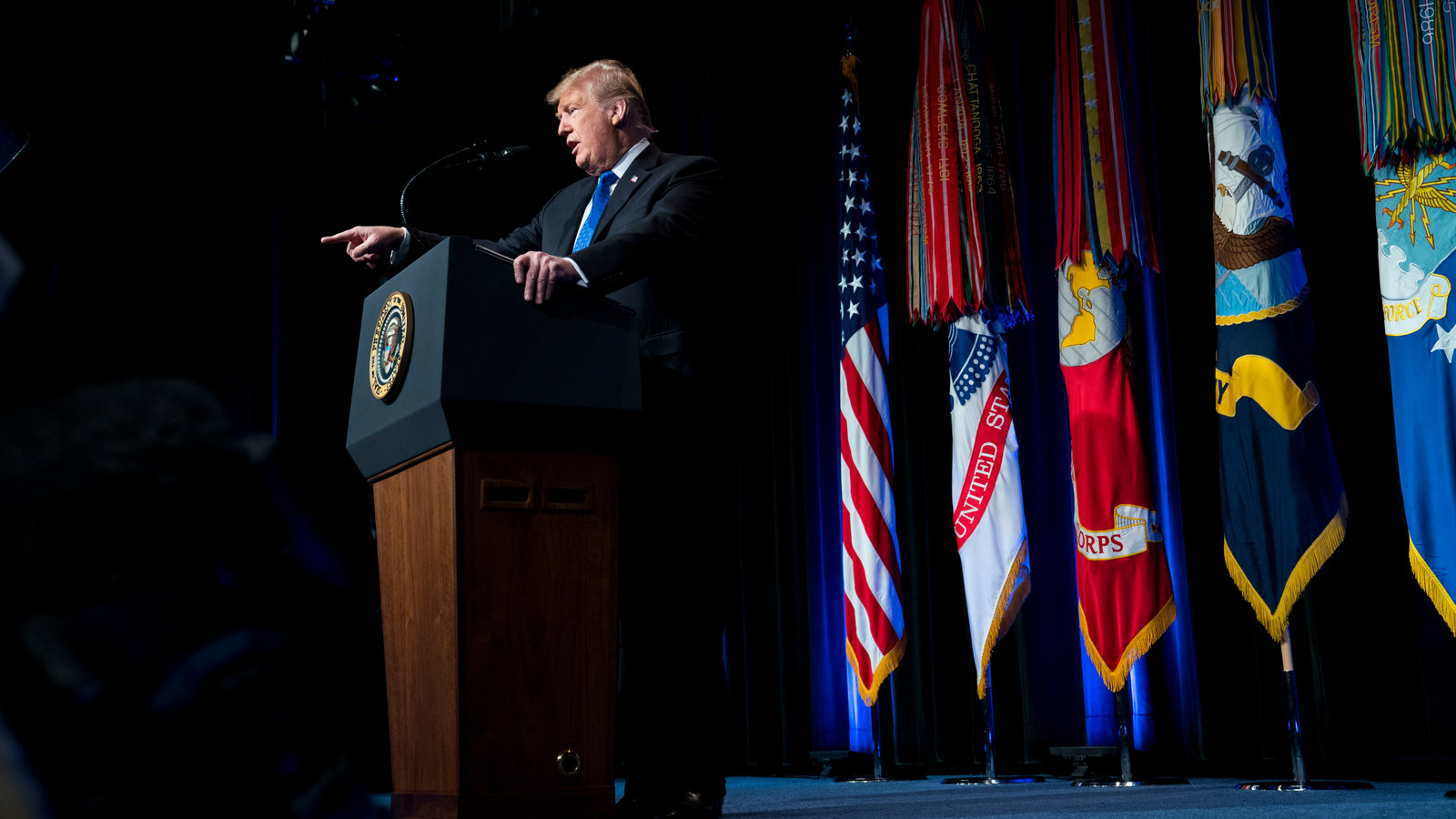
Boeing's stock has experienced a notable increase in value after announcing a new missile deal with former President Donald Trump's administration. Despite this rise, the shares are still grappling with a significant decline of 12.5% during March, reflecting the ongoing challenges the company faces in the market.
The new deal, recently unveiled, is part of the U.S. government's efforts to enhance national defense capabilities, involving the provision of advanced missiles to allied nations. This move is considered part of a broader strategy to strengthen military cooperation between the United States and its allies, which could positively impact Boeing's business in the future.
Details of the Missile Deal
The new agreement between Boeing and the Trump administration involves the supply of a large number of advanced missiles, which are part of the U.S. missile defense program. The announcement comes at a sensitive time, as the U.S. administration seeks to bolster its defense capabilities in the face of increasing threats from countries like China and Russia.
While Boeing's shares have risen following the announcement of the deal, the significant decline experienced in March reflects a state of instability in the market. The company has been affected by several factors, including production challenges and intense competition from other firms in the aerospace and defense sector.
Background & Context
Boeing was founded in 1916 and is considered one of the largest aerospace and defense companies in the world. Over the years, the company has faced numerous challenges, including aircraft accidents and production delays. The recent deal is part of the company's efforts to strengthen its market position, especially amid increasing competition from firms like Airbus.
In recent years, Boeing has experienced significant fluctuations in its stock prices, heavily impacted by the COVID-19 pandemic, which led to a decline in air travel demand. However, the new deal could provide the company with a strong boost given the growing need for defense systems worldwide.
Impact & Consequences
The new deal with the Trump administration is a strategic move for Boeing, reflecting current trends in U.S. defense policy. This agreement is expected to lead to increased demand for the company's products, which may help improve its financial standing in the near future.
Nevertheless, challenges remain, as Boeing needs to address issues related to safety and production, in addition to competing with other companies. The success of the deal also depends on how the market and the global economy respond to political and economic changes.
Regional Significance
As Boeing seeks to enhance its defense partnerships, Arab nations may be among the beneficiaries of this deal. Many Arab countries are looking to bolster their defense capabilities and may find this deal an opportunity to acquire advanced technologies.
Moreover, the strengthening of military cooperation between the United States and countries in the region could affect political and security balances, necessitating careful monitoring by Arab nations to safeguard their interests amid these changes.
Boeing remains at the center of global events, with the new deal with the Trump administration representing an opportunity to strengthen its market position. However, the challenges it faces require swift and effective responses to ensure continued success and growth.