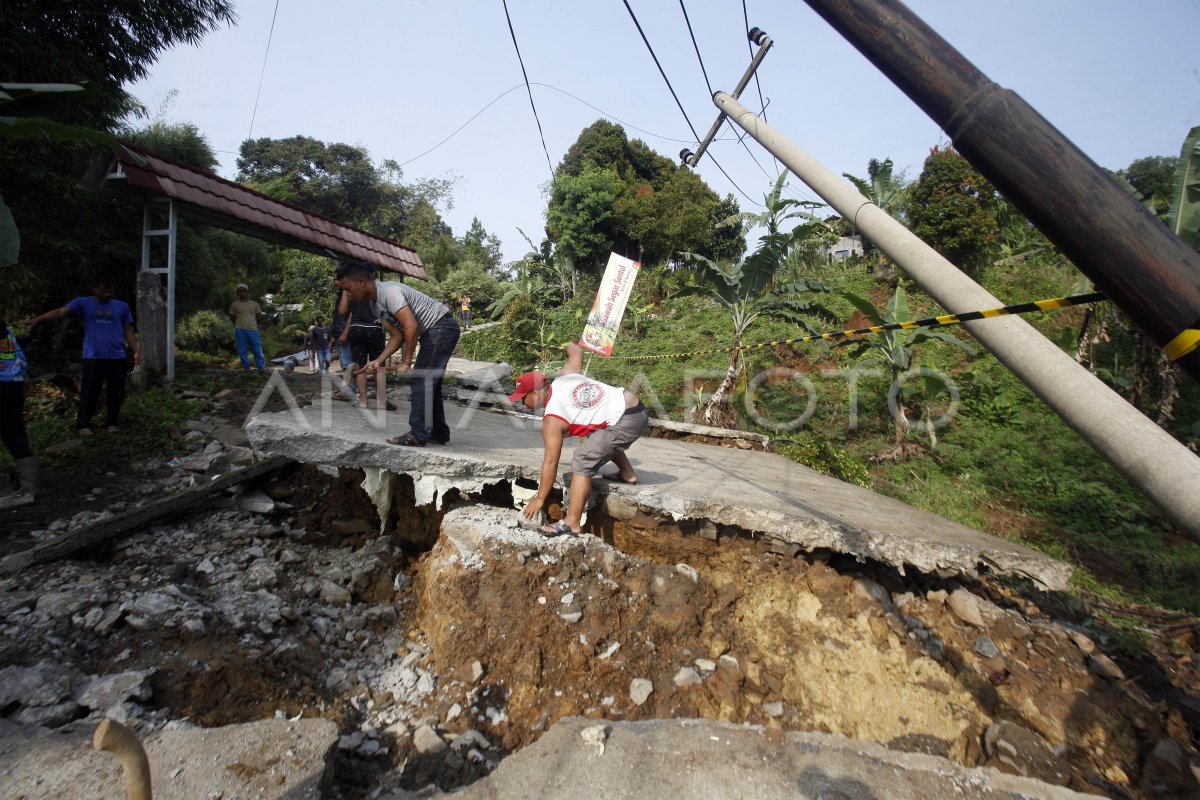
Bojong Regency, located in West Java, has announced its status as a key reference in disaster management, having received a delegation from the Siskoad Military Academy. The visit, which took place on Monday, is part of efforts to strengthen cooperation between local government, military, and police in addressing environmental challenges.
During the meeting, Rudy Susmanto, the regent of Bojong, emphasized that this visit represents a strategic opportunity to enhance coordination among various governmental and security entities, especially given the increasing challenges the region faces regarding natural disasters.
Event Details
The regent welcomed the Siskoad Academy delegation, which includes officers from the 67th educational course, in the city of Cibinong. Rudy pointed out that Bojong is a densely populated area, comprising over 40 administrative regions and 416 villages, making it susceptible to disaster risks.
Last year, Bojong experienced approximately 1,826 disaster incidents, which were effectively managed through coordination among various sectors. Rudy explained that rapid response and effective coordination are key to successful disaster management, as temporary shelters are provided for affected individuals until permanent housing is secured.
Background & Context
Historically, Indonesia has faced numerous natural disasters, including earthquakes and floods, making disaster management a national priority. Bojong Regency is one of the most affected areas, prompting the local government to develop effective strategies to confront these challenges.
These strategies include building necessary infrastructure, such as roads that facilitate access to remote areas and serve as evacuation routes during emergencies. Collaboration with the military is also being enhanced to provide logistical and technical support during disasters.
Impact & Consequences
These steps are part of Indonesia's efforts to enhance disaster resilience, contributing to improved safety and stability in the country. The cooperation between government, military, and police reflects the importance of collective action in addressing environmental challenges.
These strategies also support sustainable development in the region, as they help improve living conditions for residents and boost the local economy by creating job opportunities in infrastructure projects.
Regional Significance
The experience of Bojong serves as a model for the Arab region, where many countries face similar challenges in disaster management. Arab nations can benefit from this experience by enhancing cooperation among governmental and security entities and developing effective strategies to deal with natural disasters.
In light of increasing climate changes, it becomes essential for Arab countries to adopt innovative methods in disaster management, contributing to the protection of lives and property.