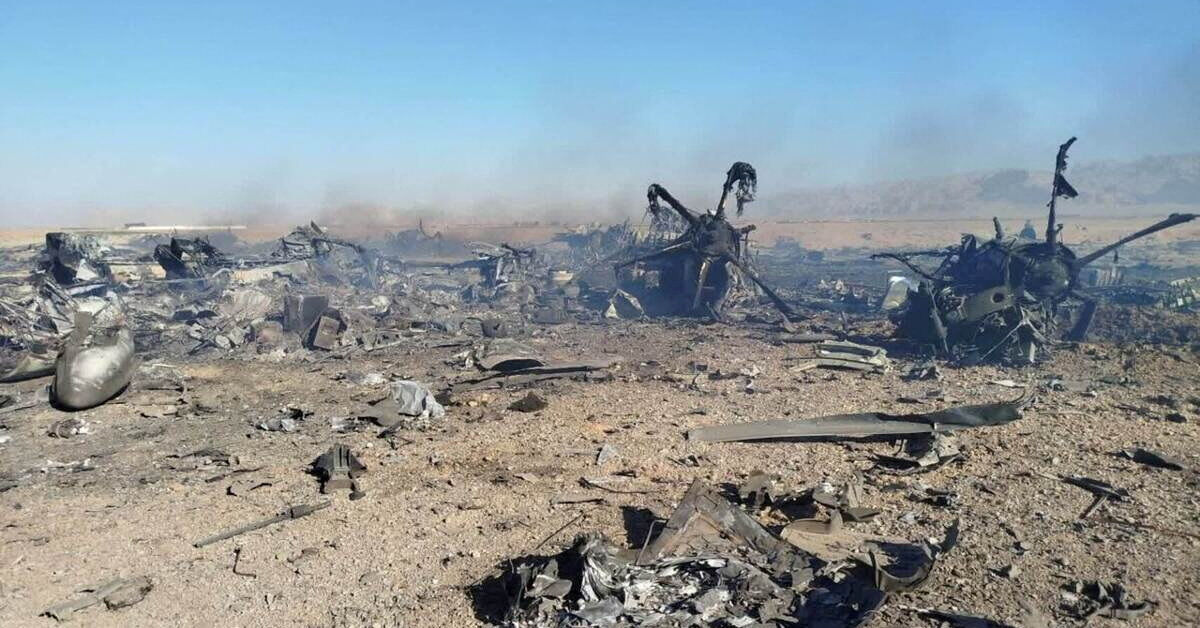
In a daring military operation, U.S. special forces managed to rescue an American pilot during a dangerous mission within Iranian territory. This announcement comes at a time when U.S. President Donald Trump is threatening to escalate tensions with Iran, stating he would impose "hell" on Tehran if the Strait of Hormuz is not reopened by Tuesday, a vital passage for oil flow to global markets.
Trump detailed the operation in the early hours of Sunday via social media, indicating that it took place in a mountainous area described as one of the "boldest" missions in the history of U.S. military operations. This statement reflects the increasing escalation in relations between the United States and Iran, particularly amid ongoing tensions surrounding Iran's nuclear program and its regional interventions.
Details of the Operation
The operation executed by U.S. special forces occurred at a sensitive time, with rising fears of the closure of the Strait of Hormuz, which is considered the lifeline of the global economy. It is noteworthy that approximately 20% of the world's oil passes through this strait, and any closure could lead to a significant rise in oil prices and impact economic stability in many countries.
These events unfold within the context of escalating tensions between the United States and Iran, as both countries exchange accusations regarding military activities in the region. The U.S. military operation demonstrates Washington's determination to protect its interests and those of its allies in the Gulf region.
Background & Context
Historically, the Strait of Hormuz has witnessed numerous military and political crises, with Iran consistently seeking to use it as a leverage tool against Western nations. In recent years, tensions have significantly escalated following the U.S. withdrawal from the Iranian nuclear deal in 2018, leading to the imposition of severe economic sanctions on Tehran.
This military operation is part of a broader U.S. strategy aimed at countering Iranian influence in the region and enhancing security in the Strait of Hormuz. Additionally, these events come at a critical time for the U.S. administration, which faces multiple internal and external challenges.
Impact & Consequences
The U.S. military operation could lead to an escalation of tensions in the Gulf region, with Iran likely to respond in various ways, either through direct threats or by supporting armed groups in the area. This escalation could significantly affect oil prices and global financial markets, raising concerns among investors.
Furthermore, these events may increase divisions among Arab nations, as their positions towards Iran and the United States vary. Some Arab countries may view this operation as an opportunity to strengthen their alliances with the U.S., while others may feel apprehensive about military escalation.
Regional Significance
For Arab countries, the rising tensions in the Gulf could impact security and stability in the region. Many nations heavily rely on oil, and any disruptions in the Strait of Hormuz could lead to negative effects on their economies. Additionally, these events may exacerbate sectarian tensions between Sunni and Shia states in the region.
In conclusion, attention remains focused on the developments in the region, as any further escalation could have far-reaching implications for regional and international security.