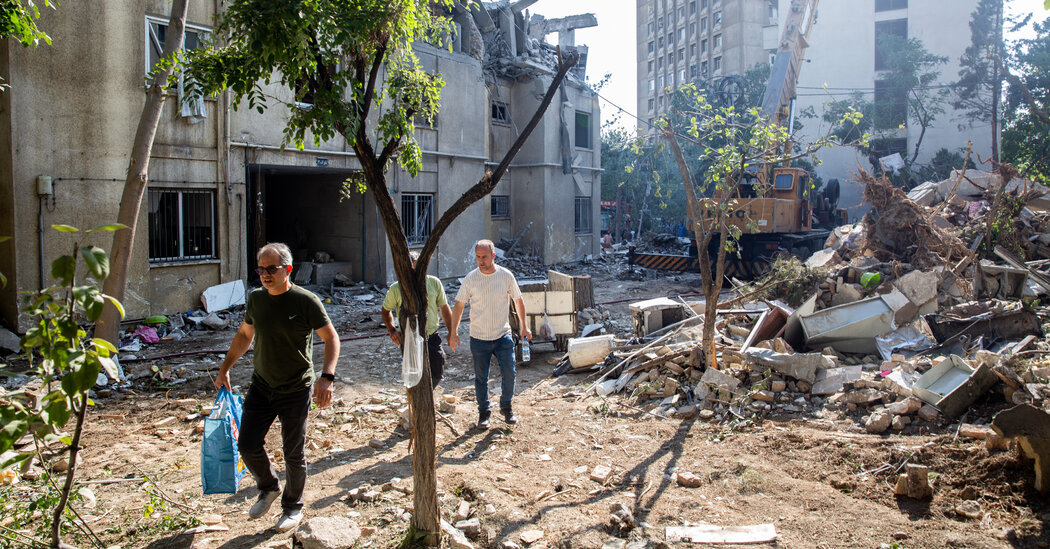
The Qajar and Pahlavi palaces in Tehran have been subjected to heavy bombing, provoking widespread reactions from the international community. These attacks occur during a sensitive time as tensions in the region escalate.
The bombing, which targeted these historical landmarks, is considered part of a series of events reflecting the deteriorating security situation in Iran. These attacks have led to significant destruction of large parts of these palaces, which are among the most prominent cultural and historical landmarks in the country.
Details of the Incident
In the details of the incident, local sources reported that the bombing targeted the palaces dating back to the Qajar and Pahlavi periods, where heavy weapons were used in the attack. The bombing resulted in severe damage to the infrastructure of the palaces, threatening to harm Iran's cultural heritage.
These palaces are part of the world heritage and have been listed on UNESCO's cultural heritage list. However, the recent bombing raises serious concerns about the preservation of these historical landmarks under the current circumstances.
Background & Context
Historically, Iran under the Qajar and Pahlavi rule was a period of cultural and artistic prosperity, during which many magnificent architectural landmarks were built. However, the political situation in Iran has experienced significant fluctuations over the decades, negatively impacting stability and security in the country.
In recent years, tensions between Iran and Western countries have escalated, exacerbating security conditions. The recent bombing demonstrates how cultural landmarks can become victims of political conflicts, raising concerns about the future of cultural heritage in the region.
Impact & Consequences
The bombing targeting the Qajar and Pahlavi palaces will not only affect the historical landmarks but will also leave deep impacts on Iranian society. This attack has sparked angry reactions from citizens, who view these landmarks as symbols of their cultural identity.
Moreover, the international community may intervene more significantly in Iranian affairs, potentially escalating tensions. Other countries may adopt harsher stances toward Iran, complicating the security situation in the region further.
Regional Significance
The events in Iran have a significant impact on the Arab region, as any escalation in tensions could affect stability in neighboring countries. Many Arab nations are closely monitoring the situation, as any changes in Iran could lead to unforeseen repercussions in the region.
The recent bombing also illustrates how cultural heritage can be endangered during times of conflict, raising questions about how to protect cultural landmarks amid volatile political conditions.
In conclusion, the bombing of the Qajar and Pahlavi palaces in Tehran is a significant event that warrants international attention. The global community must work to protect cultural heritage and ensure that such attacks do not recur in the future.