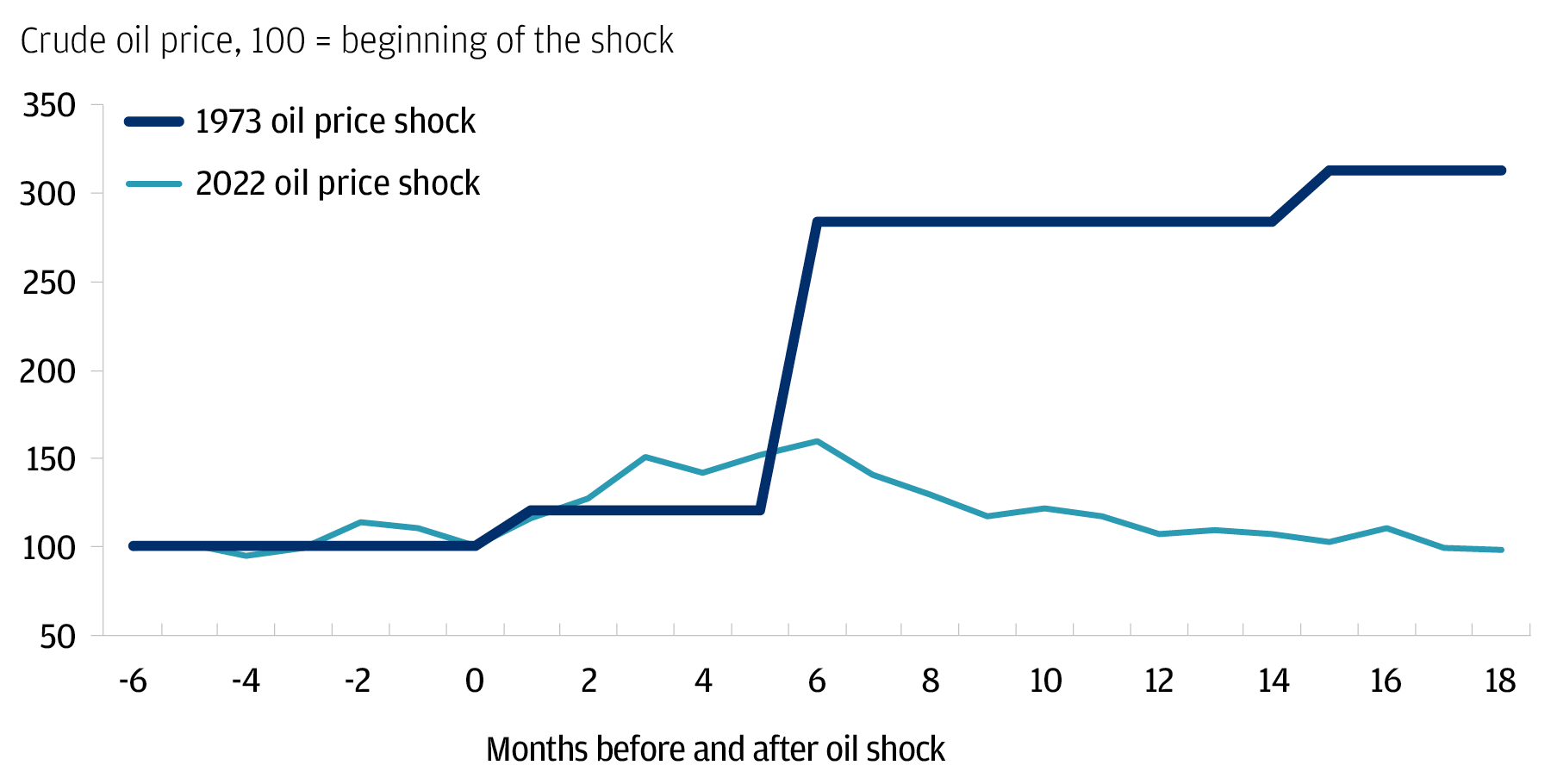
Expectations for US stocks have risen significantly after a sharp increase in oil prices, reflecting the profound impact this change could have on the global economy. As markets strive to regain their balance, forecasts suggest that this surge may lead to radical changes in investor behavior.
This increase in oil prices comes at a sensitive time, as the global economy grapples with the repercussions of the COVID-19 pandemic and rising inflation. Reports have shown that oil prices have risen by more than 10% in recent weeks, raising concerns among investors about the impact on economic growth.
Details of the Event
In light of these circumstances, many analysts have indicated that US stocks may benefit from the rise in oil prices, as major companies in the energy sector could see an increase in their profits. Data has shown that major oil companies such as ExxonMobil and Chevron reported record profits in the last quarter, prompting investors to reassess their investments in this sector.
Despite this, concerns remain regarding the impact of rising oil prices on other sectors, such as transportation and manufacturing, where this could lead to increased production costs. Consequently, investors in these sectors may adopt more cautious decision-making in the near future.
Background & Context
Historically, oil prices have experienced significant fluctuations that affect financial markets. In 2008, a sharp rise in oil prices led to a global financial crisis, while in recent years, we have witnessed a steep decline in prices due to increased US production and reduced global demand.
Currently, it appears that markets are moving towards relative stability, but rising oil prices may rekindle concerns associated with price volatility. Additionally, geopolitical conditions in regions such as the Middle East may also affect oil prices, complicating the economic landscape further.
Impact & Consequences
The rise in oil prices is expected to have multiple effects on both the US and global economies. This could lead to increased inflation, which may compel central banks to adopt more stringent measures in their monetary policies. Furthermore, companies that rely on oil as a primary energy source may face new challenges in managing their costs.
Moreover, these changes could influence consumer behavior, as they may encounter rising prices for fuel and essential goods. Consequently, this may impact consumer spending, which is one of the main drivers of economic growth.
Regional Significance
For the Arab region, rising oil prices may have both positive and negative effects. Oil-producing countries such as Saudi Arabia and the United Arab Emirates may benefit from increased revenues, bolstering their public budgets and enabling them to implement new development projects.
However, countries that rely on oil imports may face new challenges, as rising prices could lead to increased economic costs. Additionally, geopolitical tensions in the region may affect price stability, increasing uncertainty in the markets.
In conclusion, the rise in expectations for US stocks following the oil price shock reflects a significant shift in the economic landscape. However, investors and analysts must monitor developments closely, as the future holds many challenges and opportunities.