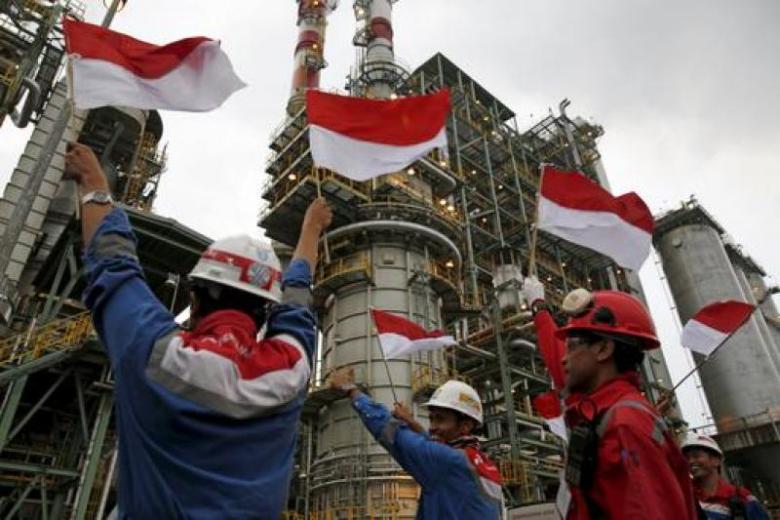
Recent reports have confirmed that the oil and gas industry in Indonesia is a fundamental pillar in supporting local economic growth, through the multiple impacts generated by its operational activities. Dr. Rento Budiantoro, an economics professor at Pertamina University, explained that this industry not only contributes to increasing national revenues but also improves the income of local regions and creates new job opportunities.
Budiantoro pointed out that the effects of this industry extend to various fields, such as increasing revenues from taxes and financial returns allocated for development projects. For instance, the Riau province received approximately 3.6 trillion rupiah in financial returns from the oil and gas industry in 2023, in addition to 3.9 trillion rupiah in oil and gas taxes.
Details of the Event
The oil and gas industry is considered a vital sector that contributes to stimulating the local economy, as it creates new job opportunities and supports infrastructure development. Budiantoro clarified that the financial returns generated by this industry are distributed across several areas, including taxes and financial returns allocated for development projects. Additionally, this industry enhances local economic activity through corporate spending on goods and services.
Moreover, operational activities contribute to promoting sustainable development by providing the necessary energy for local needs, such as electricity generation and developing public facilities that support community welfare. Corporate social responsibility programs also play an important role in enhancing the social and economic impacts resulting from this industry.
Background & Context
Historically, Indonesia has witnessed significant development in the oil and gas sector, which has become one of the main pillars of the national economy. With the increasing demand for energy, the need for sustainable investment in natural resources has become urgent. The Indonesian government has contributed to enhancing this sector by providing a favorable investment environment, attracting many local and international companies.
However, this sector faces multiple challenges, including fluctuations in global oil prices and declining production. Nevertheless, the oil and gas sector remains important as it represents a primary source of government revenue and contributes to achieving economic development.
Impact & Consequences
The impacts of the oil and gas industry extend beyond financial revenues, reaching improvements in the standard of living in local communities. If financial returns are utilized correctly, this industry can contribute to enhancing sustainable economic development. However, Budiantoro points out that the main challenge lies in how local governments use these returns.
If local governments can invest this money in effective development projects, it will contribute to improving living standards and creating new job opportunities, thereby enhancing economic and social stability in the concerned areas.
Regional Significance
Indonesia's experience in exploiting oil and gas resources serves as a model for many Arab countries that rely on this industry. With the increasing need to diversify the economy and reduce dependence on oil, Arab countries can benefit from Indonesian experiences in promoting sustainable development by investing financial returns in development projects that benefit local communities.
In conclusion, the importance of the oil and gas sector as a key tool in enhancing the local economy is evident, and local governments must effectively seize these opportunities to achieve sustainable development.