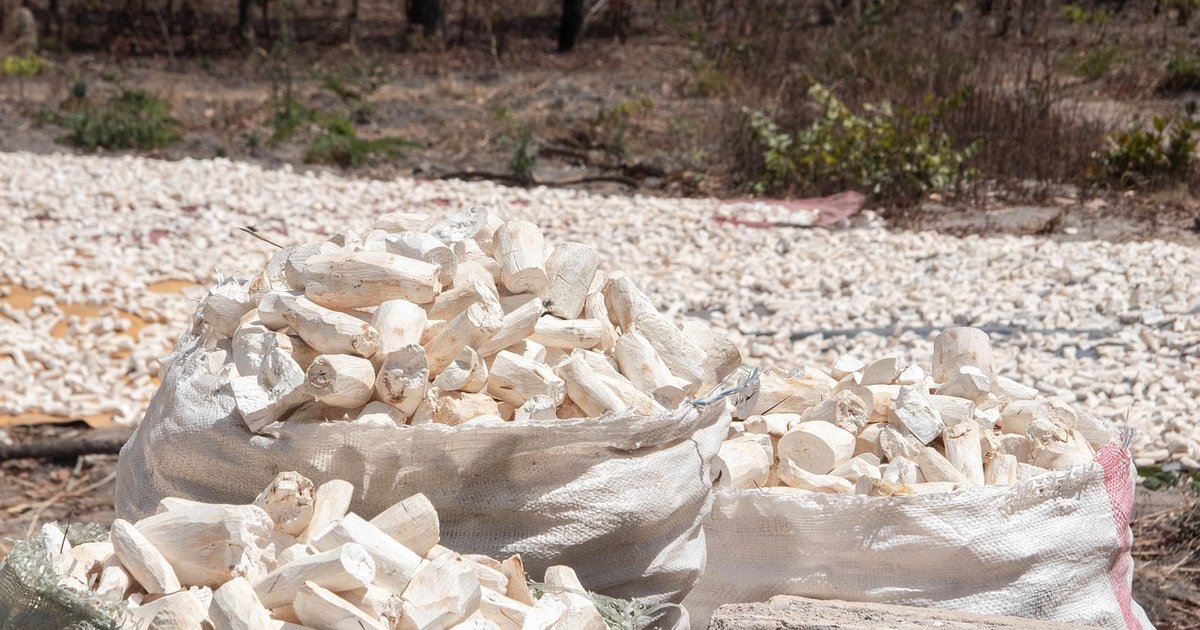
Professor Robert Asnawi, an agricultural economics professor at the National Research and Innovation Agency (BRIN) in Indonesia, revealed significant potential for cassava farming as a sustainable source of income and food security in the country. This statement was made during his remarks in Jakarta, where he noted that over 80% of cassava production in Indonesia is sold fresh, opening opportunities for enhancing the added value for farmers.
Asnawi explained that the average cassava yield in Indonesia is about 26 tons per hectare, while the potential could reach 50 or 60 tons per hectare. He called for the necessity to improve national production to address the increasing trend towards the need for alternative food sources.
Event Details
Asnawi reported that improvements in cassava production could significantly contribute to strengthening national food security, as it could become an important food alternative. He emphasized the importance of a comprehensive transformation in this sector, including increasing productivity through innovations in agricultural techniques, establishing transparent quality-based pricing, and enhancing partnerships between farmers and industries.
He also pointed out that implementing more efficient agricultural systems could more than double productivity, as farmers could use mixed farming systems, such as planting corn or soybeans, to increase their income and reduce risks.
Background & Context
Cassava farming is a vital part of agriculture in Indonesia, playing an important role in providing food and income for many rural households. Historically, cassava has been considered a secondary crop, but with the increasing demand for alternative foods, the government and farmers have begun to reassess its importance. Indonesia also faces significant challenges in food security, making the improvement of cassava production an urgent necessity.
Indonesia aims to enhance its agricultural strategies to cope with climate change and population growth, making it essential to develop crops like cassava that can withstand harsh conditions.
Impact & Consequences
Increasing cassava production is a strategic step towards achieving food security in Indonesia. If the recommendations made by Asnawi are implemented, it could lead to improved farmer incomes and strengthen the local economy. Additionally, enhancing partnerships between farmers and industries could contribute to developing the value chain for agricultural products, thereby promoting the sustainability of the agricultural sector.
Furthermore, improving cassava production could help reduce dependence on food imports, enhancing Indonesia's ability to achieve food self-sufficiency.
Regional Significance
Indonesia's experience in enhancing cassava farming serves as a model that Arab countries could benefit from, especially given the challenges they face in food security. Arab nations, which suffer from water resource shortages and climate changes, could leverage modern agricultural techniques and collaboration between farmers and industries to boost the production of alternative crops.
In conclusion, enhancing cassava farming in Indonesia presents a significant opportunity to improve food security and increase farmers' incomes, which could serve as a model for other regions, including the Arab world.