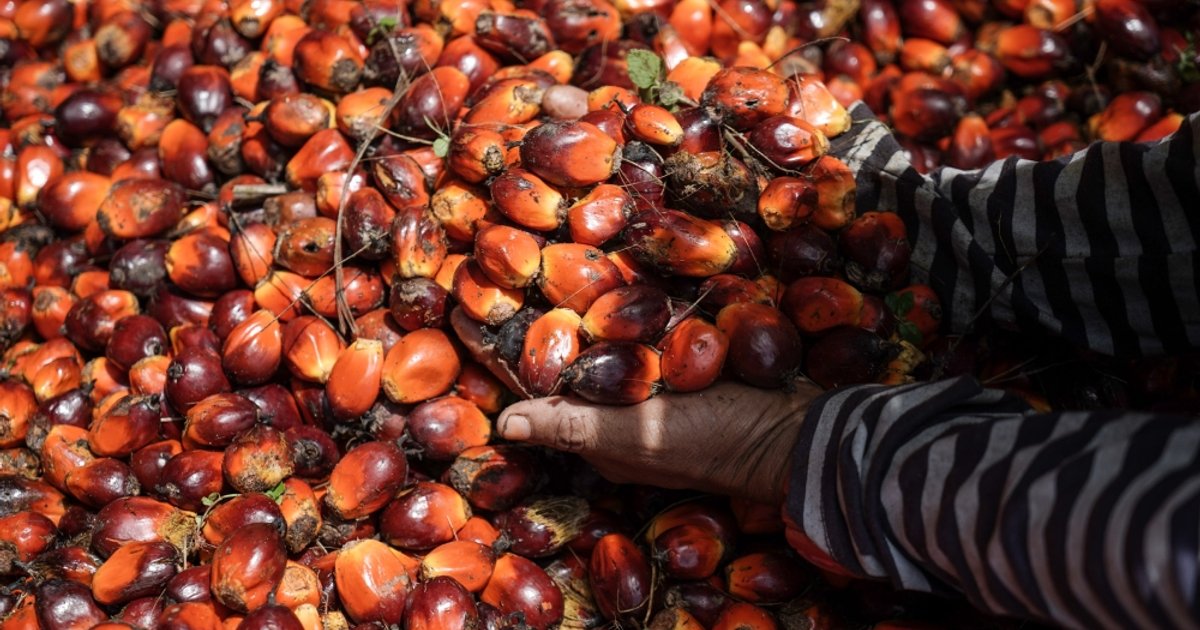
Palm kernel exports from the West Sumatra region through the Teluk Bayur port in Padang to Japan have witnessed a remarkable increase over the past two years, with export values expected to reach 82.6 trillion rupiah by 2025, representing an estimated increase of around 21 trillion rupiah compared to 2024. This growth reflects improvements in agricultural sector performance and significantly contributes to enhancing national revenues.
Palm kernels are important agricultural products exported from Indonesia, used in various industries, including animal feed and fertilizers. Japan is one of the main markets for these products, reflecting the increasing demand for agricultural raw materials from Indonesia.
Details of Export Growth
According to reports, palm kernel exports from West Sumatra have shown notable growth, with exported quantities rising consistently. This growth reflects efforts made by the local government to enhance agricultural production and improve the quality of exported products. Additionally, improvements in infrastructure at the Teluk Bayur port have facilitated shipping and export operations.
This increase in exports is a positive indicator of local economic recovery, contributing to the creation of new job opportunities and enhancing income for local farmers. Moreover, these exports help achieve sustainable development goals by promoting sustainable agricultural production.
Background & Context
Historically, Indonesia has been one of the largest producers of palm kernels in the world, with many local communities relying on this industry as a primary source of income. With the rising global demand for agricultural products, the Indonesian government has begun taking steps to boost this sector by improving agricultural policies and providing support to farmers.
In recent years, Indonesia has seen improvements in the quality of its agricultural products, which has increased its competitiveness in global markets. The shift towards sustainable agriculture has also attracted more investments in this sector, enhancing the country's ability to meet global market demands.
Impact & Consequences
The increase in palm kernel exports from West Sumatra is a significant step towards strengthening the national economy. Besides increasing revenues, this growth also reflects Indonesia's ability to meet global market needs. Furthermore, this increase may contribute to improving the living standards of local farmers, leading to better economic conditions in rural communities.
Moreover, enhancing agricultural product exports may contribute to achieving economic stability in the country, reducing reliance on other sectors such as oil and gas. This economic diversification can help Indonesia face future economic challenges.
Regional Significance
The rise in palm kernel exports not only benefits the national economy but also plays a crucial role in regional development. Local farmers are empowered through increased income, which can lead to improved infrastructure and services in rural areas.
In conclusion, the growth in palm kernel exports from West Sumatra is a promising development for Indonesia, indicating a positive trend in agricultural productivity and economic resilience.