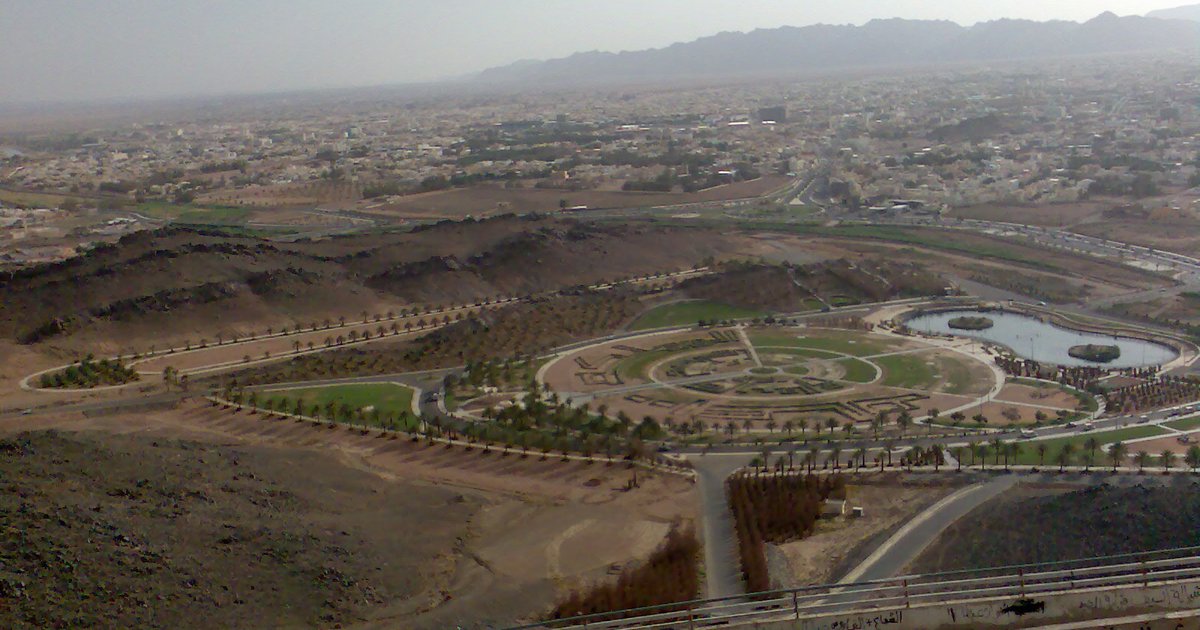
The Hail region in Saudi Arabia has experienced a significant boost in wild tourism, driven by recent rains that have increased the popularity of camping amidst beautiful spring weather. This surge reflects the desire of both citizens and residents to enjoy the stunning natural landscapes.
Hail is known for its rich natural scenery, offering diverse terrains that provide ideal opportunities for outdoor excursions. As spring arrives, tourism activities in the area increase, contributing to the local economy and reflecting people's interest in nature.
Event Details
In recent weeks, Hail has seen rainfall that has revitalized the wild areas. Several campsite owners have reported a noticeable increase in bookings, as many prefer to spend their holidays outdoors enjoying the natural views.
Campsites in Hail are experiencing a significant influx of families and friends, providing them with an ideal environment for bonding and relaxation. Various activities such as barbecuing, cycling, and hiking contribute to enhancing the visitors' experience.
Background & Context
Hail is one of the prominent tourist destinations in the Kingdom, boasting a long history and rich culture. With the Saudi Vision 2030, the government aims to enhance tourism as one of the vital economic sectors, which helps attract more visitors to the region.
Historically, Hail was known as a commercial and cultural hub, hosting many trade caravans. Today, the region seeks to regain this role by developing tourism infrastructure and providing exceptional services for visitors.
Impact & Consequences
The revival of wild tourism in Hail is a positive indicator of the region's ability to attract tourists. This not only contributes to boosting the local economy but also raises awareness about the importance of preserving the environment and nature.
Moreover, the increased interest in camping reflects the community's desire to reconnect with nature, which can have positive effects on the mental and physical health of visitors.
Regional Significance
The experience in Hail serves as a model for other regions in the Arab world, where favorable climatic conditions can enhance tourism. Many Arab countries possess stunning natural areas and can benefit from the Saudi experience in developing wild tourism.
Enhancing wild tourism can contribute to creating new job opportunities and increasing local income, thereby promoting economic stability in the region.
In conclusion, Hail appears to be heading in the right direction towards boosting wild tourism, contributing to the development of the local economy and reflecting the community's desire to enjoy nature.