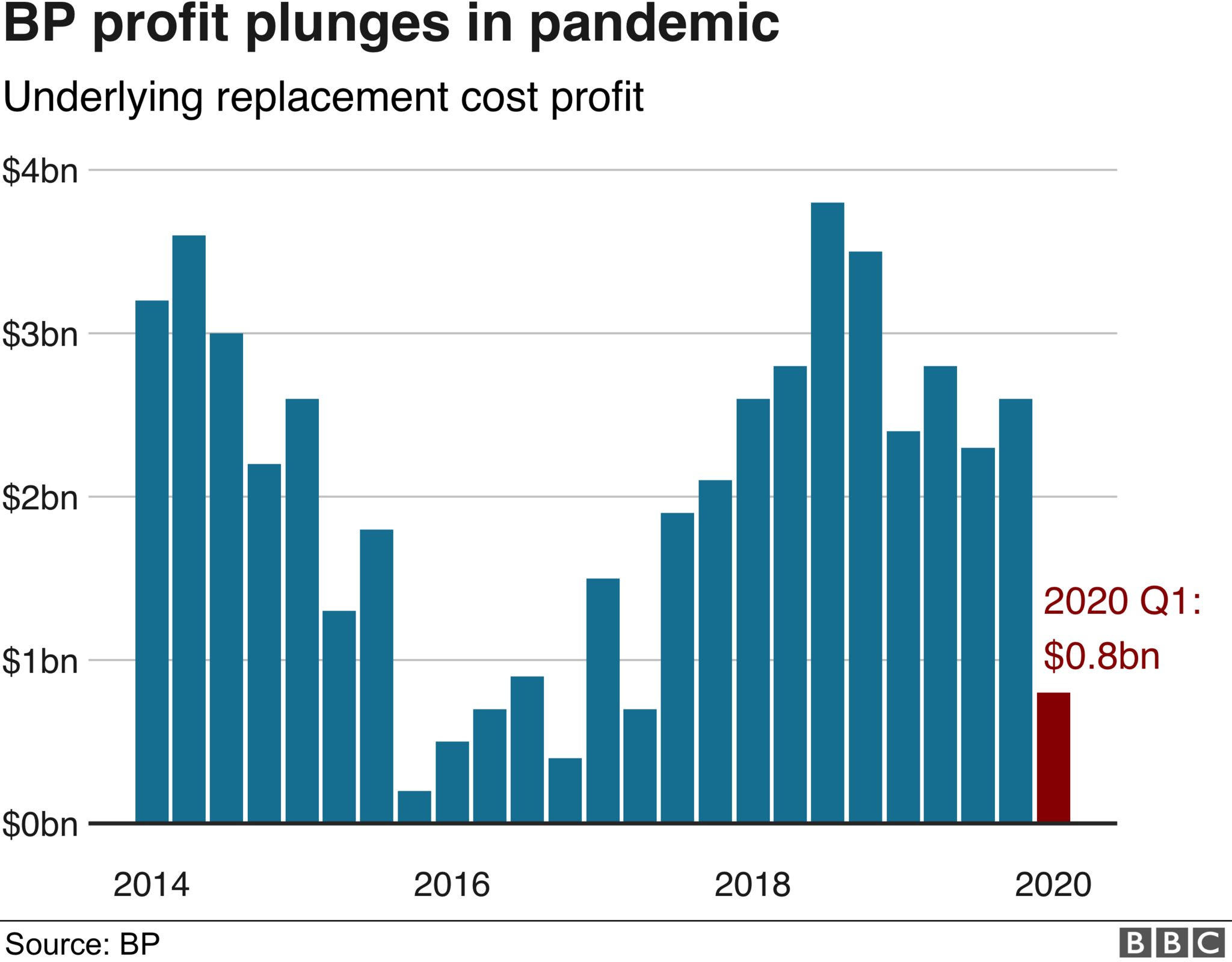
BP, the British oil and gas giant, reported profits exceeding double in the last quarter, with earnings of $8.2 billion compared to $3.3 billion during the same period last year. This remarkable increase occurs at a time when gas prices in the United States have surged significantly, reaching their highest levels since the onset of the Iran war.
The positive financial results come amid challenging economic conditions worldwide, where energy markets are heavily influenced by geopolitical tensions, particularly in the Middle East. These tensions have contributed to a rise in demand for natural gas, leading to a notable increase in prices.
Details of the Event
Reports indicate that the rise in gas prices in the United States is due to a combination of factors, including increased domestic demand and a decline in production in certain regions. Additionally, ongoing events in the Middle East, including persistent conflicts, have heightened concerns regarding future supply.
BP is considered one of the largest oil and gas companies globally, and it has managed to achieve these substantial profits thanks to its effective cost management strategies and increased production. The company has also ramped up its investments in renewable energy projects, reflecting its commitment to transitioning towards clean energy.
Background & Context
Historically, oil and gas prices have experienced significant fluctuations due to political and economic events. Since the start of the Iran war in 1979, energy markets have been profoundly affected, as conflicts have led to reduced supplies and increased prices. In recent years, tensions in the region have escalated, impacting market stability.
The United States is now one of the largest producers of natural gas in the world, with modern technologies contributing to increased production. However, geopolitical tensions continue to affect prices, prompting companies like BP to rely on flexible strategies to adapt to these changes.
Impact & Consequences
This increase in profits is expected to influence BP's future investments, as the company may redirect some of these earnings towards new projects in the renewable energy sector. Furthermore, rising gas prices could lead to increased costs for consumers, potentially impacting the broader US economy.
Moreover, these developments may increase pressure on governments to provide support for consumers, especially amid rising living costs. Other companies in the energy sector may also be affected, which could lead to changes in their investment strategies.
Regional Significance
The Middle East is one of the most significant regions for oil and gas production globally, and any changes in energy prices directly impact the economies of Arab countries. With rising gas prices, some producing nations may benefit from increased revenues, while at the same time, importing countries may face significant challenges in meeting their energy needs.
Ultimately, the impact of these developments on the Arab region remains complex, requiring a balance between capitalizing on rising prices and addressing the economic challenges that arise from them.