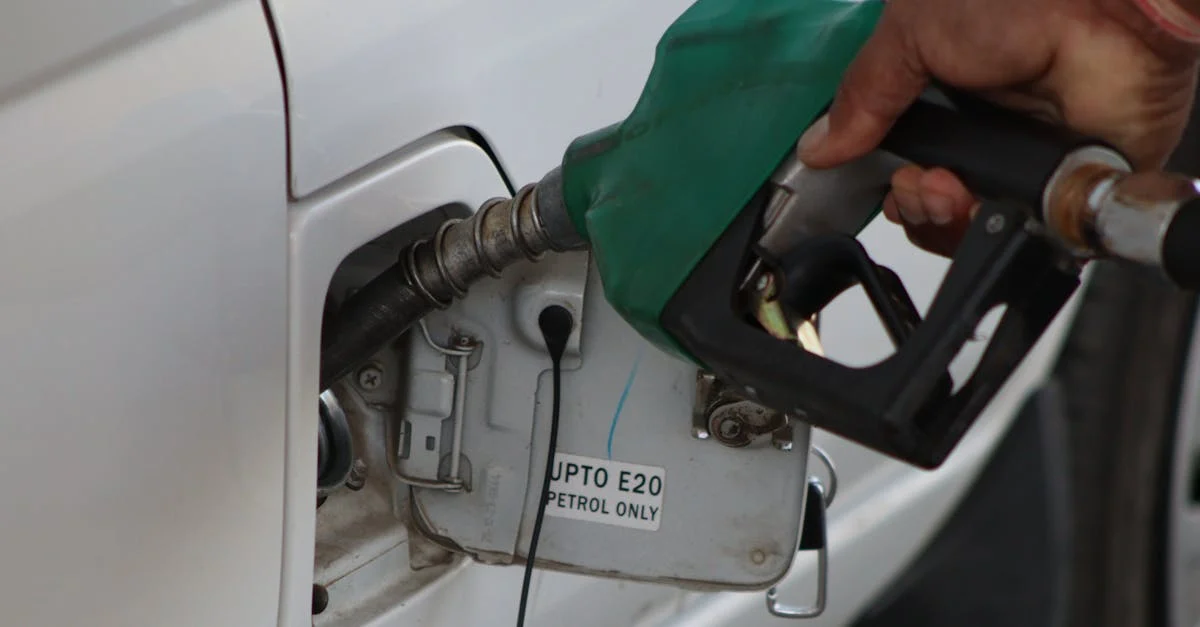
Amid increasing global crises, Brazil has maintained stability in gasoline prices, largely due to its reliance on a fleet of dual-fuel ethanol vehicles. This move comes at a time when global markets are experiencing sharp fluctuations due to the war in Iran and its impact on oil prices.
Brazil is considered one of the leading countries in using ethanol as an alternative fuel, with ethanol-powered vehicles making up a significant portion of the country's car fleet. This dual-fuel system allows drivers to switch between gasoline and ethanol, enhancing price stability and reducing dependence on imported oil.
Event Details
Reports indicate that gasoline prices in Brazil have not been significantly affected despite global oil price increases, attributed to the widespread use of ethanol. Brazil heavily relies on sugarcane cultivation, which is used to produce ethanol, making it less susceptible to fluctuations in global oil prices.
This strategy is part of Brazil's vision to achieve energy sustainability and reduce carbon emissions. The Brazilian government has supported this sector by providing incentives for farmers and manufacturers, leading to an increase in domestic ethanol production.
Background & Context
Historically, Brazil began using ethanol as fuel in the 1970s as part of an ambitious program to reduce dependence on imported oil. Since then, this sector has developed significantly, making Brazil one of the largest producers of ethanol in the world. With increasing global concerns about climate change, this strategy has become even more crucial.
It is noteworthy that the war in Iran has significantly impacted global oil markets, leading to substantial price increases. However, Brazil has managed to navigate this crisis thanks to its unique strategy of utilizing alternative fuels.
Impact & Consequences
The stabilization of gasoline prices in Brazil could have positive effects on the local economy, as it may help reduce transportation costs and enhance the purchasing power of citizens. Additionally, this model can be seen as a benchmark for other countries striving for energy sustainability.
Furthermore, Brazil's success in this area may encourage more investments in the renewable energy sector, potentially leading to the creation of new jobs and boosting economic growth.
Regional Significance
Looking at the Arab region, reliance on oil constitutes a significant part of the economies of many countries. With increasing global pressures to transition to more sustainable energy sources, Brazil's experience in using ethanol could serve as a model. Arab countries could benefit from this experience by investing more in renewable energy and seeking alternatives to oil.
In conclusion, Brazil's experience demonstrates how countries can adapt to global challenges through innovation and investment in new technologies. The stabilization of gasoline prices in Brazil may mark the beginning of a new phase of energy sustainability that could positively impact the economy and society.