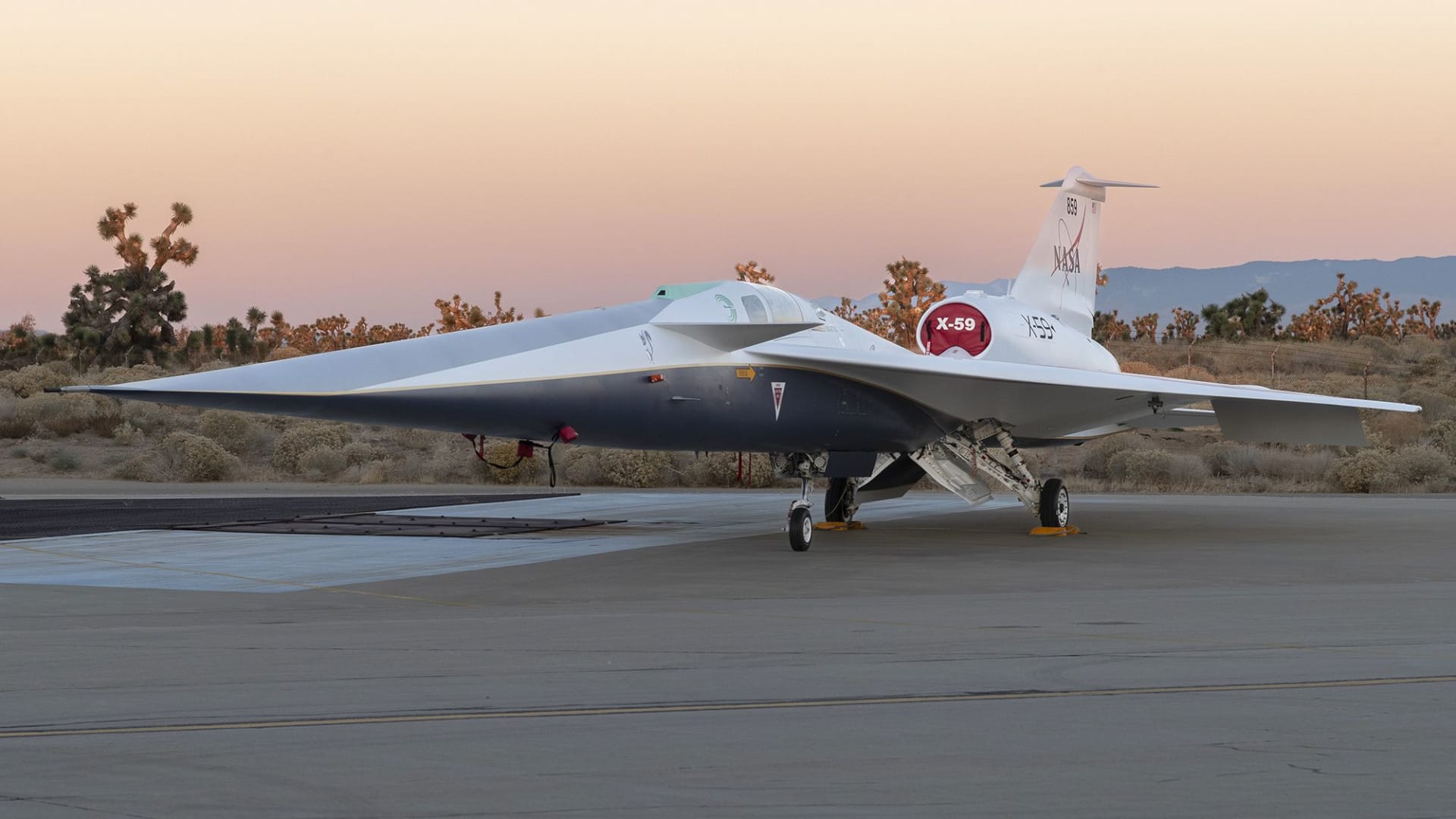
In a historic move, Brazil unveiled its first locally-made supersonic fighter jet, the F-39E Gripen, on Wednesday. This aircraft was developed in collaboration with the Swedish group Saab. The announcement took place during an official event in Gavião Peixoto, São Paulo, attended by Brazilian President Luiz Inácio Lula da Silva, who described this achievement as "unprecedented in Latin America."
The F-39E Gripen is an advanced model of fighter jets, known for its ability to perform multiple missions with high effectiveness. It has been designed to meet the needs of the Brazilian Air Force, reflecting the country's strategic direction towards enhancing its defense capabilities through local production.
Event Details
During the launch ceremony, Brazilian Defense Minister José Múcio emphasized that this project represents a significant achievement in Brazilian military industry. He noted that the aircraft will contribute to enhancing national security and strengthening the country's ability to face regional and international challenges. The aircraft's features were showcased, including its supersonic speed and maneuverability, making it one of the most modern aircraft in the world.
It is worth mentioning that this project came after years of collaboration between Brazil and the Saab group, with the aircraft being developed alongside training programs for Brazilian pilots and technicians. This cooperation is considered a successful model of partnership between countries in the field of military technology.
Background & Context
Historically, Brazil has heavily relied on importing weapons and military technology from other countries. However, with the increasing security challenges in the region, the Brazilian government has begun to take strategic steps to enhance its defense capabilities by developing its local military industry. This direction has manifested in significant investments in research and development, leading to the launch of projects like the F-39E Gripen.
This achievement comes at a time when the world is witnessing significant geopolitical changes, as countries seek to bolster their military capabilities in response to growing threats. The production of a locally-made fighter jet is an important step towards achieving military independence.
Impact & Consequences
This achievement is expected to have a significant impact on the military industry in Latin America. The production of a locally-made fighter jet may encourage other countries in the region to invest more in developing their defense capabilities. It could also lead to enhanced cooperation between countries in the field of military technology, contributing to regional stability.
Moreover, this achievement may open the door for Brazil to become a regional hub for fighter jet manufacturing, contributing to the strengthening of the local economy and creating new job opportunities. It could also lead to an increase in Brazilian military exports to other countries.
Regional Significance
In light of the increasing geopolitical tensions in the Arab region, Brazil's experience in developing locally-made fighter jets may offer valuable lessons for Arab countries. This experience could encourage Arab nations to enhance their military capabilities through investment in local industries, contributing to military independence.
Additionally, cooperation between countries in military technology could help enhance security and stability in the region. Given the rising security challenges, it becomes essential for Arab nations to seek ways to independently strengthen their defense capabilities.
In conclusion, the launch of the F-39E Gripen represents an important step for Brazil in the military industry, reflecting a strategic direction towards enhancing local defense capabilities. Many hope that this achievement will have a positive impact on security and stability in the region.