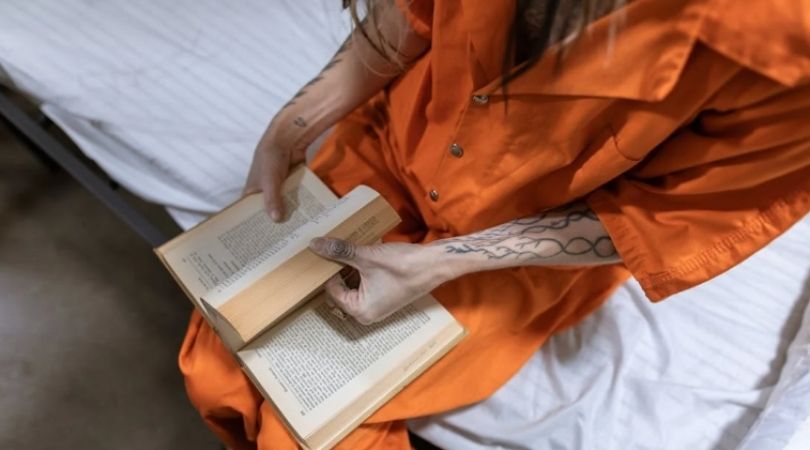
A number of prisoners in Brazil have achieved remarkable progress in their lives by engaging in reading, as reports indicate that this initiative has contributed to reducing their sentences. As part of a program aimed at enhancing education and culture, inmates have been given the opportunity to read a diverse range of books, which has helped improve their intellectual and psychological skills.
This initiative includes various cultural activities, where prisoners are encouraged to read books and summarize them, contributing to the development of their writing and critical thinking skills. Additionally, reading is considered an effective means of escaping the pressures of daily life in prisons, allowing them a chance to reflect and think about their future.
Event Details
The Brazilian authorities aim to reduce recidivism rates among prisoners through this program, as studies have shown that education can play a crucial role in rehabilitating inmates. According to statistics, approximately 200 prisoners have managed to reduce their sentences by participating in this program.
The books that prisoners are allowed to read encompass a variety of classic and modern literature, as well as books related to life skills and self-development. The program is supervised by a group of teachers and volunteers who provide support and oversee cultural activities.
Background & Context
Brazil is considered one of the countries suffering from overcrowded prisons, with some institutions exceeding their capacity. This situation has prompted the government to seek innovative solutions to improve prison conditions and reduce crime rates. Previous experiences have shown that education can be an effective tool in achieving these goals.
Historically, prisons in Brazil have suffered from a lack of educational and recreational programs, leading to rampant violence and disturbances within these institutions. However, recent initiatives like the reading program represent a positive step towards improving conditions inside prisons.
Impact & Consequences
The success of this program may encourage other countries to adopt similar models to improve the lives of prisoners. Education is considered a fundamental right and can contribute to reducing crime rates and enhancing public safety. Moreover, these initiatives may help change the negative stereotype surrounding prisons, thereby increasing the chances of reintegrating inmates into society after their sentences.
Furthermore, reading is viewed as an effective means of stimulating creativity and critical thinking, which contributes to the development of prisoners' skills and enhances their opportunities for employment after release.
Regional Significance
Despite the differences in social and economic contexts between Brazil and Arab countries, Brazil's experience in using education as a means of rehabilitating prisoners may be inspiring. Many Arab countries face similar issues related to overcrowding in prisons and high crime rates.
Arab countries can benefit from this experience by developing educational and cultural programs within prisons, which can help improve prisoners' conditions and enhance their chances of reintegration into society. Promoting education and culture can have a positive impact on society as a whole, contributing to crime reduction and improved public safety.