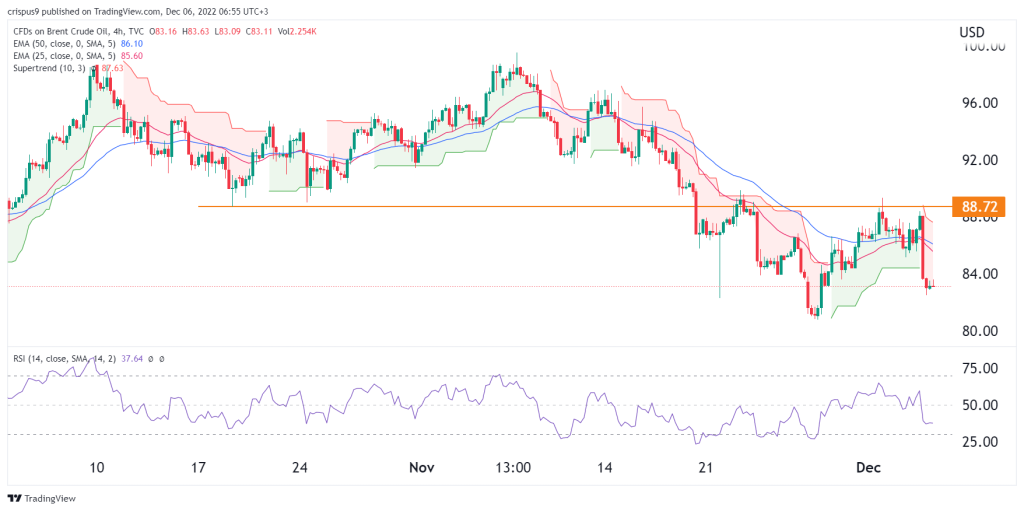
In March, significant shifts occurred in global energy markets due to geopolitical developments affecting supplies. As the month concluded, Brent crude achieved its best monthly performance ever, driven by the repercussions of the Iran war and disruptions in the Strait of Hormuz.
These events mark a turning point in the oil market, directly impacting prices and supplies. Data showed that Brent crude rose significantly, reflecting market concerns about the continuity of supplies under the current conditions.
Details of the Event
By the end of March, Brent crude prices surged by more than 20%, marking the best monthly performance in years. This increase was a direct result of escalating tensions in the Middle East, particularly following military escalation in Iran and its impact on shipping traffic in the Strait of Hormuz, one of the most critical maritime routes for oil transport.
It is noteworthy that approximately 20% of global oil supplies pass through the Strait of Hormuz, making any disruption in navigation there have far-reaching effects on global markets. These conditions led to increased demand for oil from alternative sources, contributing to rising prices.
Background & Context
Historically, oil markets have experienced significant fluctuations due to geopolitical tensions, with crises in the Middle East consistently affecting prices. In recent years, several notable events, such as the conflict in Syria and sanctions imposed on Iran, have led to volatility in oil prices.
As tensions in the region escalate, it has become clear that oil markets are becoming more sensitive to political events. This trend reflects the heavy reliance of global economies on oil as a primary energy source, making them susceptible to the impacts of political crises.
Impact & Consequences
These developments underscore the importance of stability in energy markets for global economies. Rising oil prices could lead to increased production and transportation costs, affecting prices in both local and global markets. Additionally, this situation may negatively impact economic growth in oil-importing countries.
Moreover, rising oil prices could increase inflationary pressures, potentially prompting central banks to take actions to adjust monetary policies. This could affect investments and economic growth in the long term.
Regional Significance
For Arab countries, rising oil prices may have varied impacts. Oil-producing nations such as Saudi Arabia and the UAE may benefit from this increase, as it could boost their revenues and help achieve their economic goals.
Conversely, oil-importing countries may face greater challenges, as their energy costs will rise, potentially affecting their public budgets. This situation could lead to increased economic and social pressures in some countries, necessitating government measures to mitigate these impacts.
In conclusion, Brent crude's performance in March marks a milestone in energy markets, reflecting geopolitical tensions and their direct impact on the global economy. It is crucial to monitor the developments of these situations and their potential effects on markets and economies in the region.