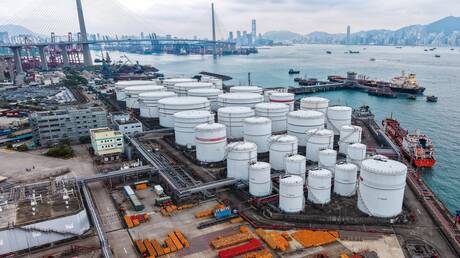
Brent crude oil futures recorded a significant increase of 5% on Tuesday, achieving their largest monthly gains in a considerable time. This rise in prices occurs amid the ongoing escalating conflict in the Middle East, raising concerns about the stability of oil supplies in the region.
This increase in oil prices is a sign of growing anxiety in global markets, as armed conflicts and political strife in the Middle East often influence energy prices. Data has shown that the price of oil per barrel has risen noticeably, reflecting the impact of current events on the markets.
Details of the Event
On Tuesday, Brent crude futures closed higher, recording $85.30 per barrel, the highest level in several months. This rise follows weeks of price volatility, with markets reacting variably to ongoing events in the region.
Oil prices are directly affected by conflicts in the Middle East, which is considered one of the largest sources of oil in the world. The current conflict may lead to reduced supplies, contributing to rising prices.
Background & Context
Historically, oil prices have experienced significant fluctuations due to conflicts in the Middle East. Over the years, events such as civil wars, economic sanctions, and political tensions have led to sudden increases in oil prices. The current conflict in the region recalls previous events such as the Gulf War in the 1990s, which resulted in a sharp rise in oil prices.
In recent years, we have also witnessed the impact of the COVID-19 pandemic on oil markets, where prices plummeted significantly in 2020. However, prices began to recover with the reopening of the global economy, but current conflicts may push those prices back to high levels again.
Impact & Consequences
The current rise in oil prices could have widespread implications for the global economy. Increased prices may lead to higher transportation and energy costs, affecting the prices of goods and services. This situation could pressure households and businesses, leading to a decline in consumption and economic growth.
Moreover, this increase in prices may influence the monetary policies of countries, as central banks may be compelled to adjust interest rates to combat inflation resulting from rising energy costs.
Regional Significance
For Arab countries, the rise in oil prices can have dual effects. On one hand, oil-producing countries may benefit from increased revenues, bolstering their budgets. On the other hand, oil-importing countries may face economic challenges due to rising energy costs.
Under these circumstances, Arab countries need to consider strategies to adapt to oil price fluctuations, whether through diversifying income sources or enhancing investments in renewable energy.
In conclusion, the situation in the Middle East remains pivotal in determining global oil price trends. As conflicts continue, markets will remain under pressure, necessitating close monitoring of ongoing events.