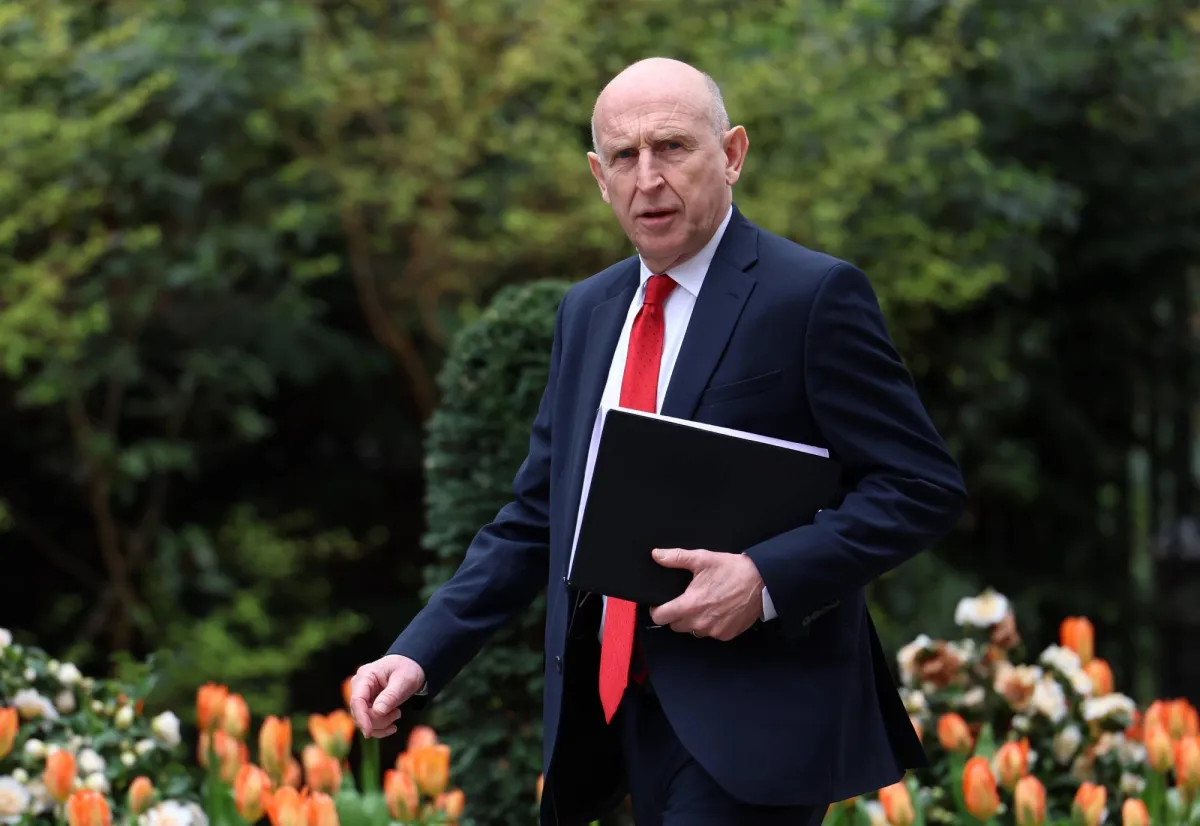
British Defense Minister John Healey confirmed that the UK has recorded its largest air presence in the Middle East in 15 years, noting that British pilots have completed over 1,200 flight hours on defensive missions since the onset of the conflict with Iran. This statement was made during an interview with the newspaper "Al-Sharq Al-Awsat", where Healey explained that British forces have conducted over 80 interception operations in collaboration with units from the Royal Air Force.
Discussing the British military presence in the region, Healey mentioned the deployment of approximately 1,000 British soldiers in the Middle East, along with an additional 500 personnel in Cyprus. He emphasized that the UK is working closely with regional partners to identify further support avenues, reflecting London’s commitment to enhancing regional security.
Details of the Military Operations
Healey clarified that British forces have bolstered their military presence in the region since the beginning of the US-Israeli war with Iran, contributing to drone interception operations in the airspace of Iraq, Qatar, and Bahrain. He expressed pride in the work being done by the British armed forces with their Gulf partners to ensure the safety of people in the region, stressing the importance of their dedication and professionalism in saving lives.
He also noted that the number of British aircraft operating in the region is the highest it has been in 15 years, with air defense operations conducted over Bahrain, Jordan, Qatar, the UAE, and Cyprus. He explained that since January, additional equipment and personnel have been deployed in the region, including Typhoon fighters, F-35s, and armed Wildcat helicopters.
Background & Context
These reinforcements come amid rising tensions in the region, with Healey not ruling out the presence of a "hidden Russian hand" behind some Iranian tactics. He pointed out that cooperation between Moscow and Tehran in areas such as intelligence, drone technology, and electronic warfare continues, complicating the security situation in the Middle East.
Historically, British-Saudi relations have evolved significantly, with the defense partnership between the two countries based on shared security interests and industrial cooperation. These relations have enhanced both countries' capabilities to address the increasing security challenges in the region.
Impact & Consequences
These British steps serve as a clear message to Iran, reflecting London’s commitment to protecting its interests and those of its allies in the region. Additionally, the enhancement of the British military presence may contribute to stabilizing the security situation in the Gulf and strengthen the ability of allied nations to counter Iranian attacks.
Furthermore, the defense cooperation between the UK and Saudi Arabia could open new avenues for military collaboration in the future, enhancing both nations' capabilities to confront shared threats.
Regional Significance
These developments underscore the importance of regional and international cooperation in addressing security challenges in the Middle East. The bolstering of the British military presence may encourage other nations to take similar steps to enhance their national security.
In conclusion, the situation in the Middle East remains complex, requiring high-level coordination among the involved countries to ensure stability and security in the region. Strategic partnerships like that between the UK and Saudi Arabia may be key to addressing the increasing threats.