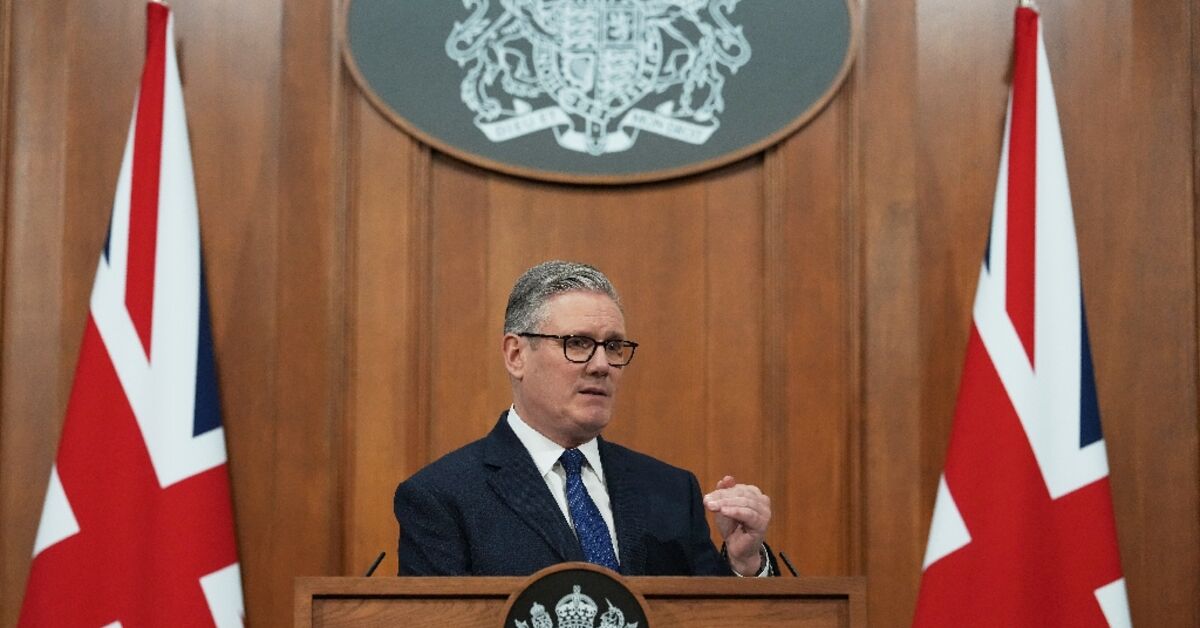
British Prime Minister Keir Starmer announced that the UK will host an international meeting this week with approximately 35 countries to discuss ways to reopen the Strait of Hormuz, one of the world's most important waterways, which has been significantly affected by the ongoing conflict in the Middle East.
In a press conference held at Downing Street, Starmer confirmed that British Foreign Secretary Yvette Cooper will lead the discussions. This meeting comes at a sensitive time as tensions in the region are escalating, impacting global shipping and trade.
Details of the Event
The Strait of Hormuz, which connects the Arabian Gulf to the Gulf of Oman, is a vital transit point for oil and natural gas, with approximately 20% of the world's oil exports passing through it. With the increasing conflicts in the Middle East, this corridor has become increasingly threatened, prompting the UK to take the step of convening this international meeting.
The discussions will focus on how to ensure maritime safety in the strait, alleviate tensions between conflicting nations, and enhance international cooperation to ensure stability in global energy markets. The meeting is also expected to address the security challenges facing commercial vessels in the region.
Background & Context
Historically, the Strait of Hormuz has witnessed numerous crises, from the Gulf War in the 1990s to the current tensions between Iran and the United States. In recent years, the intensity of conflicts has escalated, leading to an increase in attacks on commercial vessels, raising international concerns about energy security.
This initiative by the UK is part of its efforts to enhance its role as an influential power in global politics, especially given the challenges it faces due to conflicts in the Middle East. This meeting is seen as part of a broader strategy aimed at fostering cooperation among major nations in addressing security and economic challenges.
Impact & Consequences
Reopening the Strait of Hormuz will have significant implications for global oil markets, as any disruption in maritime traffic could lead to rising oil prices, impacting the global economy. Additionally, the success of the meeting in achieving its objectives could contribute to easing tensions between conflicting nations, thereby enhancing stability in the region.
On the other hand, failure to reach consensus could escalate conflicts, threatening maritime security and increasing tensions in the area. Therefore, the outcomes of this meeting will be pivotal in shaping the future of international relations in the Middle East.
Regional Significance
For Arab countries, the stability of the Strait of Hormuz is crucial, as many of these nations rely on exporting oil through this corridor. Consequently, any escalation in conflicts could negatively impact their economies, necessitating cooperation between Arab nations and the international community to ensure maritime safety.
In conclusion, this meeting represents an important opportunity for participating countries to unify efforts toward achieving security and stability in a vital region for the world, reflecting the importance of international cooperation in addressing shared challenges.