Britain is preparing to host an international summit next Thursday aimed at forming a coalition to pressure Iran to reopen the Strait of Hormuz. This move follows statements from U.S. President Donald Trump, who urged countries to 'go get their own oil.'
The UAE and Bahrain are the only two Middle Eastern countries participating in the summit, while major players such as Saudi Arabia, Qatar, Turkey, and Pakistan will be absent. The summit is expected to gather representatives from around 35 countries, including France, Australia, Germany, Canada, Italy, and Japan.
Event Details
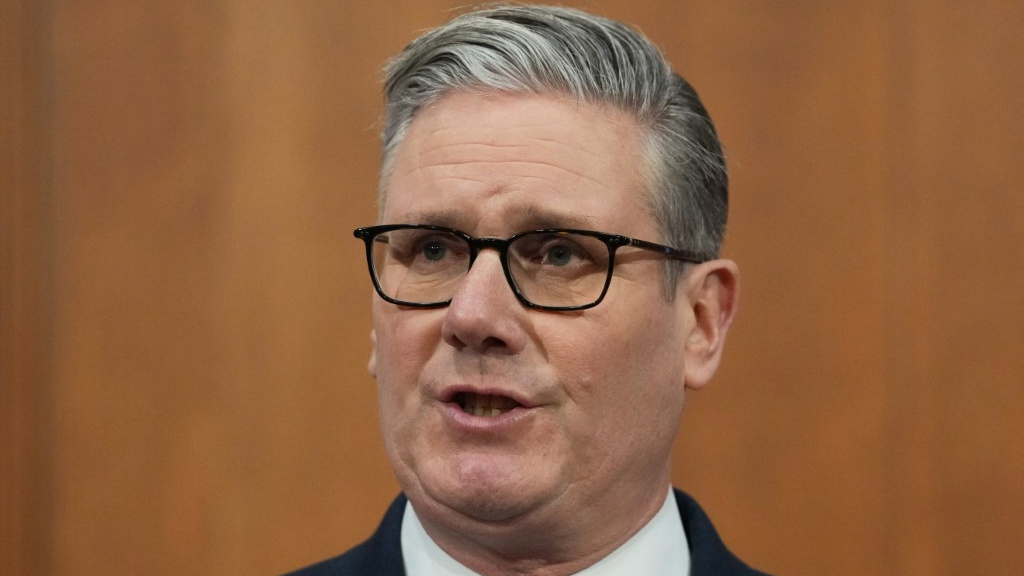
On Wednesday, British Prime Minister Keir Starmer announced that the summit, hosted by Foreign Secretary Yvette Cooper, will discuss ways to 'make the strait available and safe after the cessation of hostilities.' Starmer emphasized that the talks will evaluate 'all possible diplomatic and political measures' to restore freedom of navigation and ensure the safety of stranded ships and sailors.
He also added that 'this will not be easy,' noting that military leaders will convene after the summit to consider how to organize the coalition's military capabilities. Among the options being discussed are military escorts and mine-clearing operations.
Background & Context
The Strait of Hormuz, through which approximately 20% of the world's oil and gas passes, was closed in early March in response to the U.S.-Israeli attack on Iran. This closure occurred at a sensitive time, as tensions between Iran and the United States escalate, complicating the security situation in the region.
Earlier, European countries ignored Trump's mid-March call to send warships to the strait to assist in reopening it, even after he threatened that NATO would face a 'bad future' if member states did not help the U.S. reopen the waterway.
Impact & Consequences
This summit is seen as a significant step for Britain in its efforts to strengthen relations with European countries amid deteriorating ties with the United States. The European Union supported the summit following a phone call between Starmer and Ursula von der Leyen, President of the European Commission, who confirmed that 'Iran's actions threaten global economic stability.'
On the other hand, the Iranian ambassador in London indicated that Tehran is 'considering' the possibility of targeting British bases as a form of retaliation. Meanwhile, reports suggest that Gulf countries, including Saudi Arabia, are contemplating alternatives to the closure of Hormuz, such as returning to plans for new oil and gas pipeline construction.
Regional Significance
The Arab region is significantly affected by developments in the Strait of Hormuz, as this waterway is vital for oil and gas trade. Any escalation in tensions could lead to rising oil prices and impact the economies of Arab countries that heavily rely on oil exports.
In conclusion, all eyes remain on the outcomes of the summit and what decisions may arise that could affect security and stability in the region.