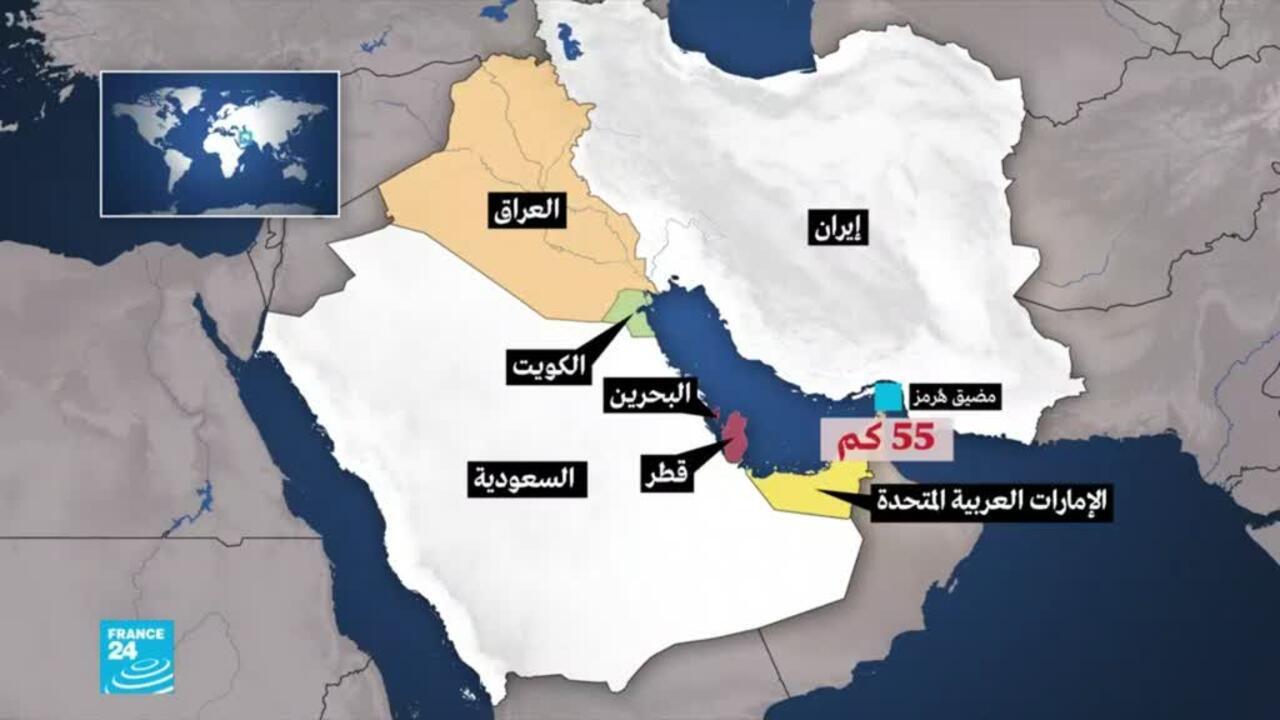
Britain has offered to host an international security summit aimed at formulating a viable collective plan to reopen the Strait of Hormuz, one of the world's most crucial maritime passages. This offer comes at a sensitive time as the region experiences escalating tensions following the refusal of Western nations to send warships to protect navigation in the strait, as requested by former U.S. President Donald Trump.
The Guardian reported that British military leaders have held discussions with their counterparts in other nations to address the practical aspects of securing the strait. A British Ministry of Defense official stated that the security conference could soon take place in the capital London or at the naval base in Portsmouth, with the aim of building an international coalition and generating the necessary momentum to establish a safe passage through the strait.
Details of the Event
The British official indicated that an additional military meeting would bring together the chiefs of defense from countries that signed a previous statement, which calls for efforts to protect navigation in the Strait of Hormuz. Other nations may also be invited to join this coalition. The Strait of Hormuz is a vital passage through which approximately 20% of global oil supplies flow, making its security critically important amid increasing crises in the Middle East.
The newspaper added that the British Ministry of Defense has sent military planners to the U.S. Central Command to explore options for oil tankers crossing the strait, which has effectively become closed due to Iranian threats of retaliatory attacks.
Background & Context
Concerns are growing regarding the economic impact of closing the Strait of Hormuz, as oil prices have surged sharply, negatively affecting inflation in the United Kingdom. British Prime Minister Keir Starmer stated before the Commons liaison committee that the conflict would not necessarily end quickly, despite Trump's announcement to postpone strikes on Iranian power stations.
In this context, Labour MP Matt Western, chair of the Joint Committee on National Security Strategy, called for urgent actions to de-escalate tensions. He emphasized that Trump's presidency was among the most reckless and costly for the global economy, noting that the military folly committed by Trump and Netanyahu is causing severe damage to the global economy.
Impact & Consequences
The repercussions of the current conflict extend beyond its impact on oil prices, as closing the Strait of Hormuz could exacerbate economic crises in many countries, including European nations that heavily rely on energy supplies. Additionally, military escalation could pave the way for international interventions that may worsen the situation in the region.
Under these circumstances, pressure is mounting on the United Kingdom and its allies to seek effective diplomatic solutions, as the continuation of tensions could harm their economic and political interests in the region. Some analysts have suggested that countries like China and Russia could benefit from the current crisis, further complicating the geopolitical landscape.
Regional Significance
The situation in the Strait of Hormuz is of particular importance to Arab countries, as many of these nations depend on oil exports through this passage. Any escalation in tensions could directly impact Arab economies and increase pressure on governments striving for economic stability.
Ultimately, the future of the Strait of Hormuz and the fate of navigation within it hinge on the outcomes of the potential security summit and the ability of the concerned nations to reach effective solutions that ensure safe navigation and alleviate tensions in the region.